
St. Mark’s
Parish Profile
Located in the heart of Salt Lake City, the Cathedral Church of St. Mark is a welcoming and inclusive church community that is prayerfully seeking a dean to guide us into our next season of shared ministry.
Table of Contents
A Prayer For Our Search
“Lord of Mercy, you make all things holy and all things new: Sanctify our work in calling a new dean for the Cathedral Church of St. Mark. May your Holy Spirit keep us mindful of our parish’s unique gifts and needs, and make clear the gifts and strengths in those with whom we converse. Guide us in Your wisdom and love throughout this process of mutual discernment. Reward our efforts with a faithful dean, rector, pastor, teacher, and friend, with whom we may rightly see your will for St. Mark’s and for Your holy catholic church in this place. This we ask through Christ our Lord. Amen. +++”
A Letter to the Future Dean
Welcome, friend, in the Name of Christ!
We are the co-chairs of the Dean Search Committee for the Cathedral Church of St. Mark. On behalf of the entire committee and congregation, it is our joy and privilege to accompany you in a shared process of discernment as we seek our next dean and rector.
St. Mark’s is a vibrant and growing urban cathedral in what we believe is the finest mid-sized city in America—a place uniquely suited for the right priest to form new disciples of Jesus Christ in the Episcopal tradition. In the sections that follow, you will find an honest and thoughtful portrait of our parish: who we are, where we feel called to grow, and the qualities we hope for in our next dean. It will introduce you to a community blessed with rich gifts, eager to serve, and ready to be led with courage and vision. It is the story of a people who love Jesus, love His Church, and believe that the Holy Spirit is stirring something new among us. We hope that the story of St. Mark’s resonates with your own sense of call, and that you will allow us to explore with you where the Holy Spirit may be leading us together.
And, please know that we are praying for you, before we even meet.
Cody Hatch & Rick Knuth
Co-Chairs, Dean Search Committee
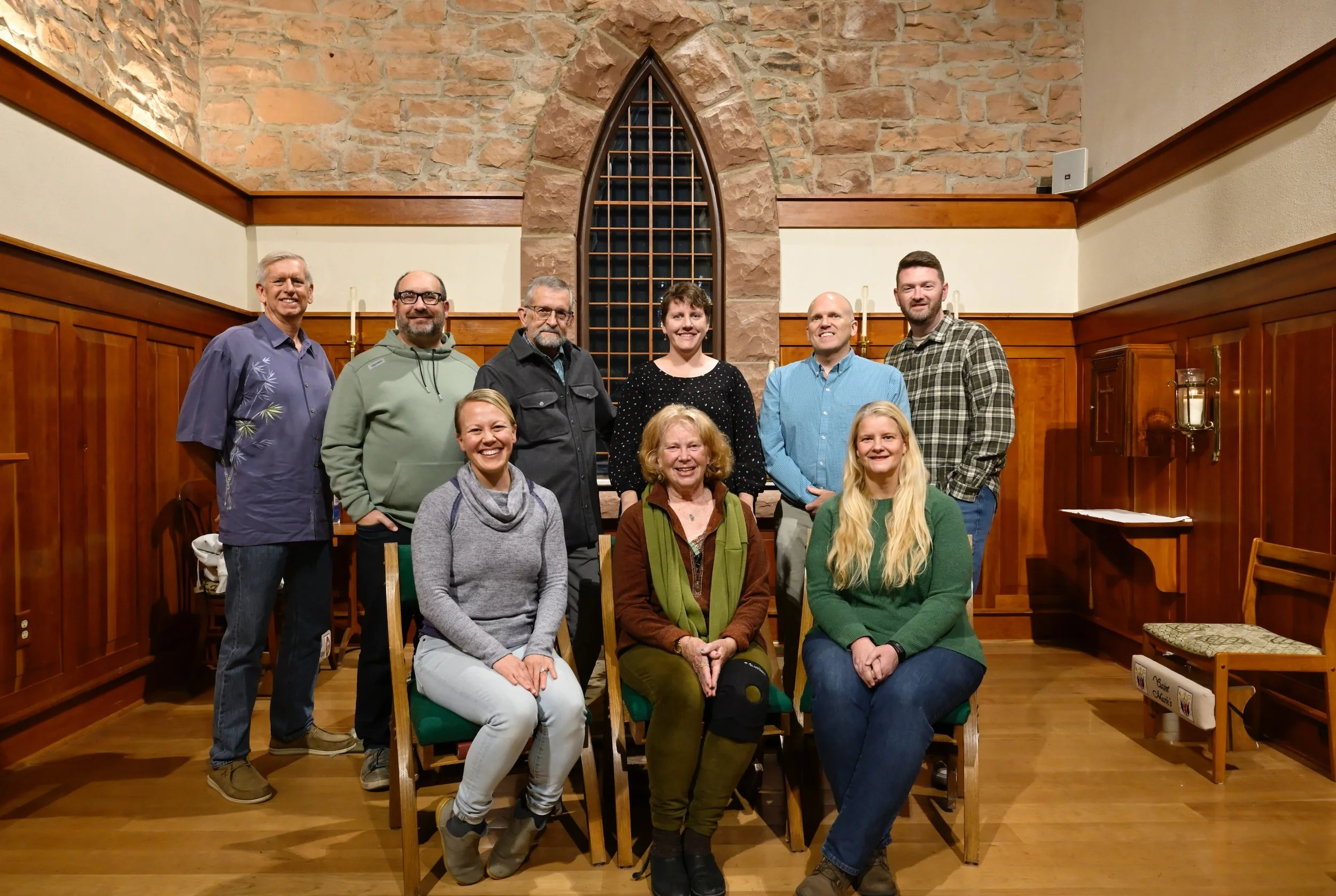
The St. Mark’s Dean Search Committee. Top Row (L-R): Kurt Cook, Cody Hatch, Rick Knuth, Brooke Parker, Ronald Schoedel, Marc Stevens. Bottom Row (L-R): Katharine Luce, Bonnie Weiss, Julie Gillogly

Welcome from the Search Committee
As your first points of contact in this process, the search committee wants you to be able to connect our names with our faces and voices. Please watch this video to get a better sense of who we are and what we hope you’ll take away from this profile.
Our Next Dean & Rector
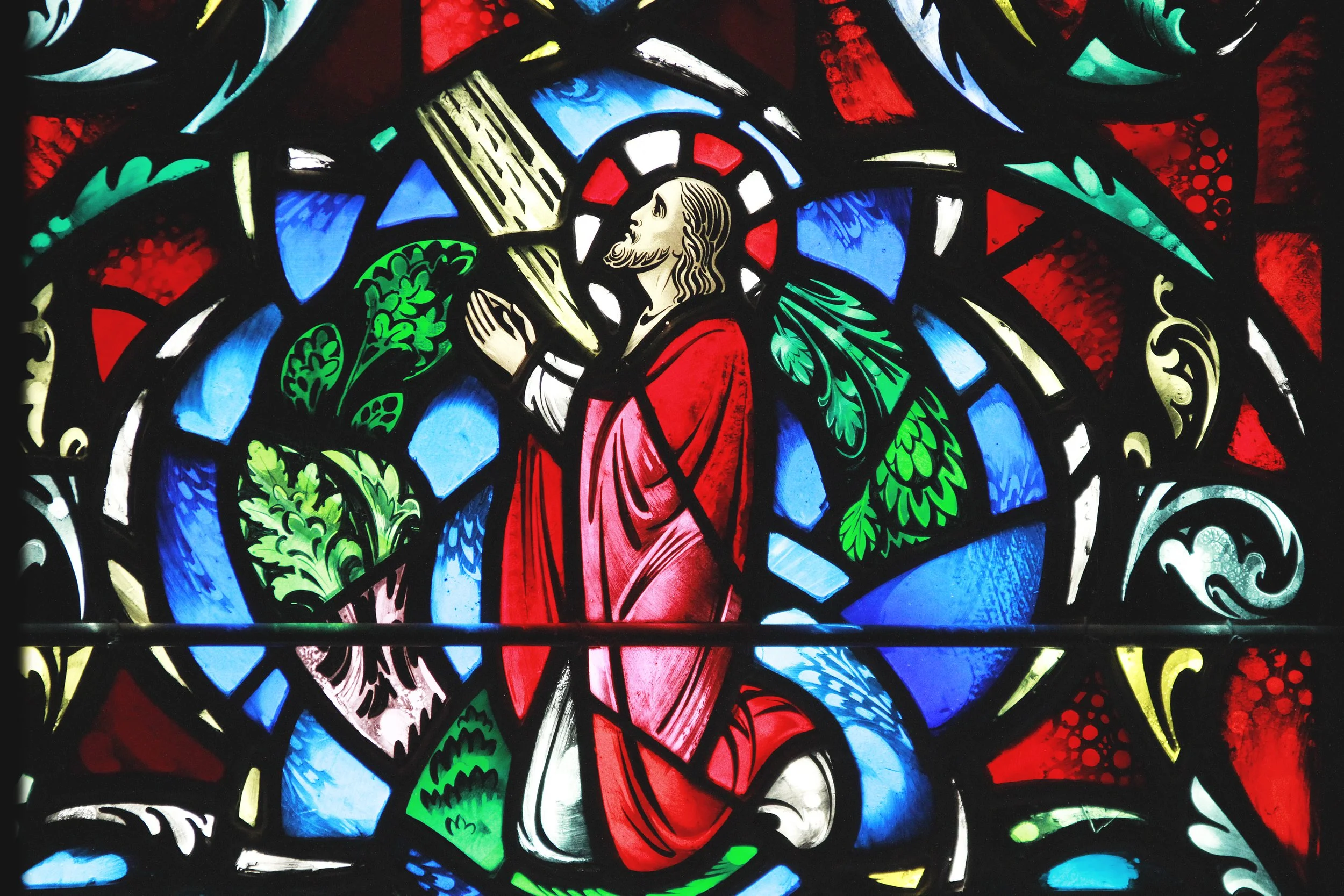
A Shepherd & Teacher
As parishioners of a cathedral, the people of St. Mark’s are mindful of the opportunities and responsibilities that status imposes. Dean and Rector are impressive titles to be sure, but for us, our parish has never been led by a distant, unknowable administrator. We’re accustomed to a dean who is—first and foremost—an aspiring disciple of Jesus, a skilled teacher, a trusted mentor and guide, and a compassionate, listening ear. As a congregation, St. Mark’s has developed a strong tradition of worship and formation offerings that are spiritually vibrant and nourishing. Our parishioners value preaching and teaching that’s substantive and stimulating, yet accessible and practical. We expect sermons that teach, challenge, and stretch us. We appreciate cameo appearances from the likes of St. Athanasius, Julian of Norwich, W. H. Auden, Madeleine L’Engle, and Rowan Williams.
We seek a dean devoted to these companion roles of shepherd and teacher. We seek a dean whose pastoral approach is defined by discipleship and prayer, love, kindness, warmth, and acceptance. We seek a dean whose teaching is both theologically invigorating and speaks to the reality of daily life. Our next dean must be someone who possesses these traits and abilities.
A Healer & Reconciler
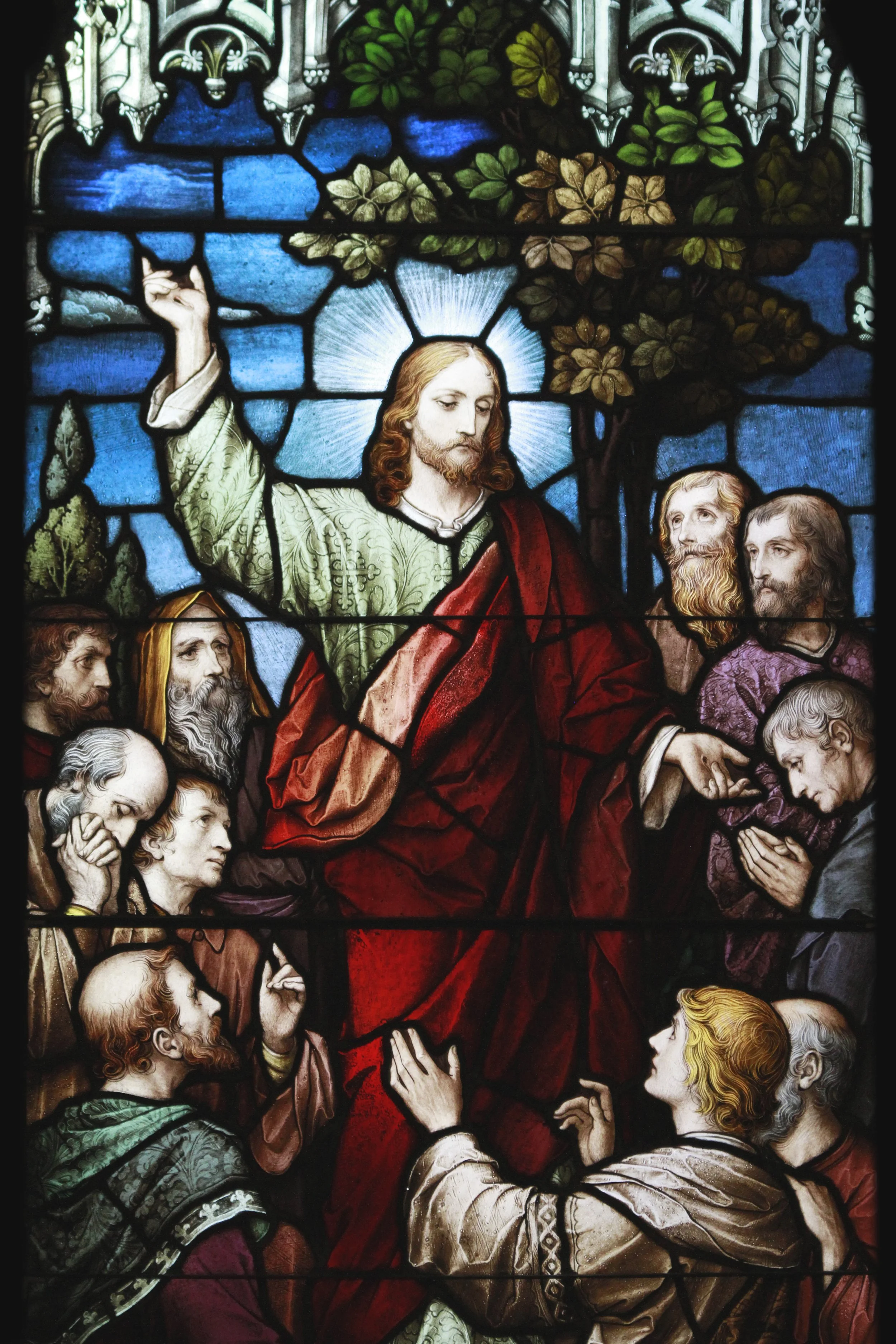
Spend some time with the folks who worship at St. Mark’s and you’ll meet people from a variety of backgrounds. Some are lifelong Episcopalians, others come from no religious background at all.
If the church is a hospital for sinners, then St. Mark’s most resembles a field hospital for those leaving other faiths. A large and growing percentage of our members find their way here after many years in another faith tradition—often this region’s predominant religion: Mormonism. It’s a transition that can leave them emotionally exhausted, spiritually wounded, and socially isolated. At St. Mark’s, they’ve found a warm welcome, spiritual first aid, unconditional acceptance, and a renewed relationship with Christ that leads to much-needed healing. Parishioners have described finding St. Mark’s as “coming home.”
We seek a dean who embraces this aspect of the St. Mark’s community and will work to amplify it. We seek a dean whose personality and ministerial style exemplify radical welcome and indiscriminate hospitality. St. Mark’s has become a treasured place of spiritual refuge for so many in our congregation who arrived here hurting and tired. Our next dean must be someone who embodies this defining characteristic of St. Mark’s and is willing to lean into it.
A Leader & Organizer
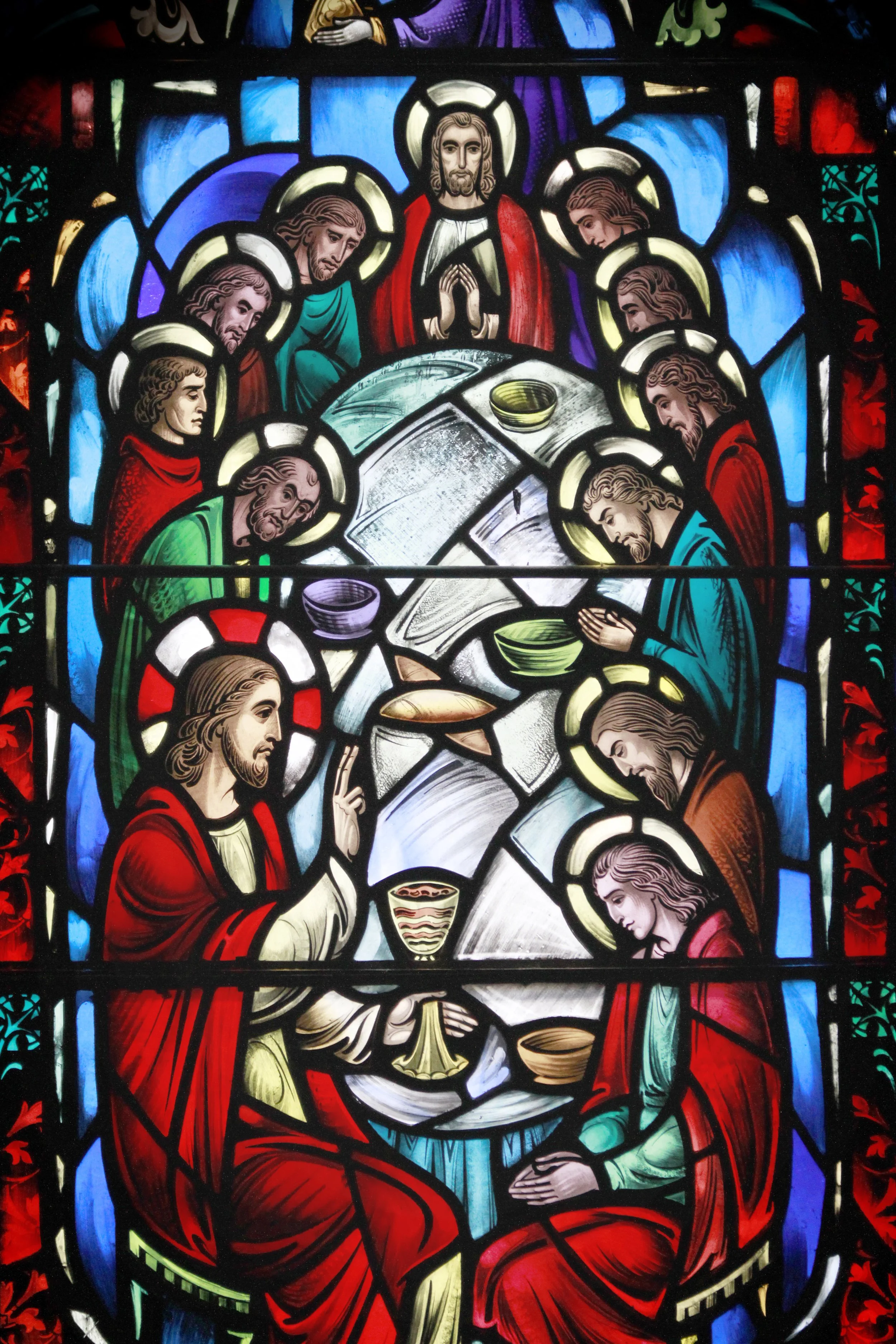
Being part of the St. Mark’s community isn’t a passive experience. Giving meaningful service to others has long been part of our DNA. This includes the ministries that animate and enrich the experience of worshipping here, of course. But, as Salt Lake City’s downtown parish and the cathedral for the Diocese of Utah, we also take seriously our responsibility to follow Jesus’ example by reaching out and lifting up those in need beyond our walls. This motivates our various outreach ministries related to issues like food insecurity and homelessness. Simply put, there’s much to do and folks here are eager to serve.
We seek a dean who is ready to build upon these great strengths of St. Mark’s—the place we occupy and the passion of our people. We seek a dean who is equally comfortable managing the daily affairs of the cathedral and guiding the efforts of dedicated parishioners through transformational leadership. To be an ongoing force for good in Salt Lake, St. Mark’s must set priorities strategically, allocate resources carefully, and distribute authority effectively while always striving to emulate Christ as we serve. Our next dean must be someone who can skillfully lead and organize our efforts on all of these fronts.
A Steward & Caretaker
Like any Episcopal parish, St. Mark’s Cathedral presents a variety of challenges and opportunities. Some challenges are specific to our building—most importantly the significant cost of ongoing care and maintenance required by a Victorian-era cathedral. Other challenges are undoubtedly familiar to those of other parish communities. For example, even as our pledging and membership has increased we still find ourselves spending too much of our investment reserves to finance parish operations. Though we have a growing and thriving children’s ministry, we need more, and more robust, offerings in the 14-18 age cohort. At the same time, many exciting opportunities exist here. St. Mark’s is a growing congregation, with many parishioners relatively new to the faith. And as we grow, we find ourselves on the verge of moving from a pastoral to a program parish.
We seek a dean who is ready to tackle these challenges and opportunities equally, and with gusto. We seek a dean who sees their role including steward and caretaker—both to our historic, beloved cathedral as well as to the financial and spiritual health of our parish. Assuming these tasks—challenges and opportunities alike—will require a steady hand, patience, creativity, sound judgement, and an open heart willing to embrace this place and its people. Our next dean must be someone who is ready to roll up their sleeves and work alongside the St. Mark’s community to ensure its continued wellbeing.
Our Parish
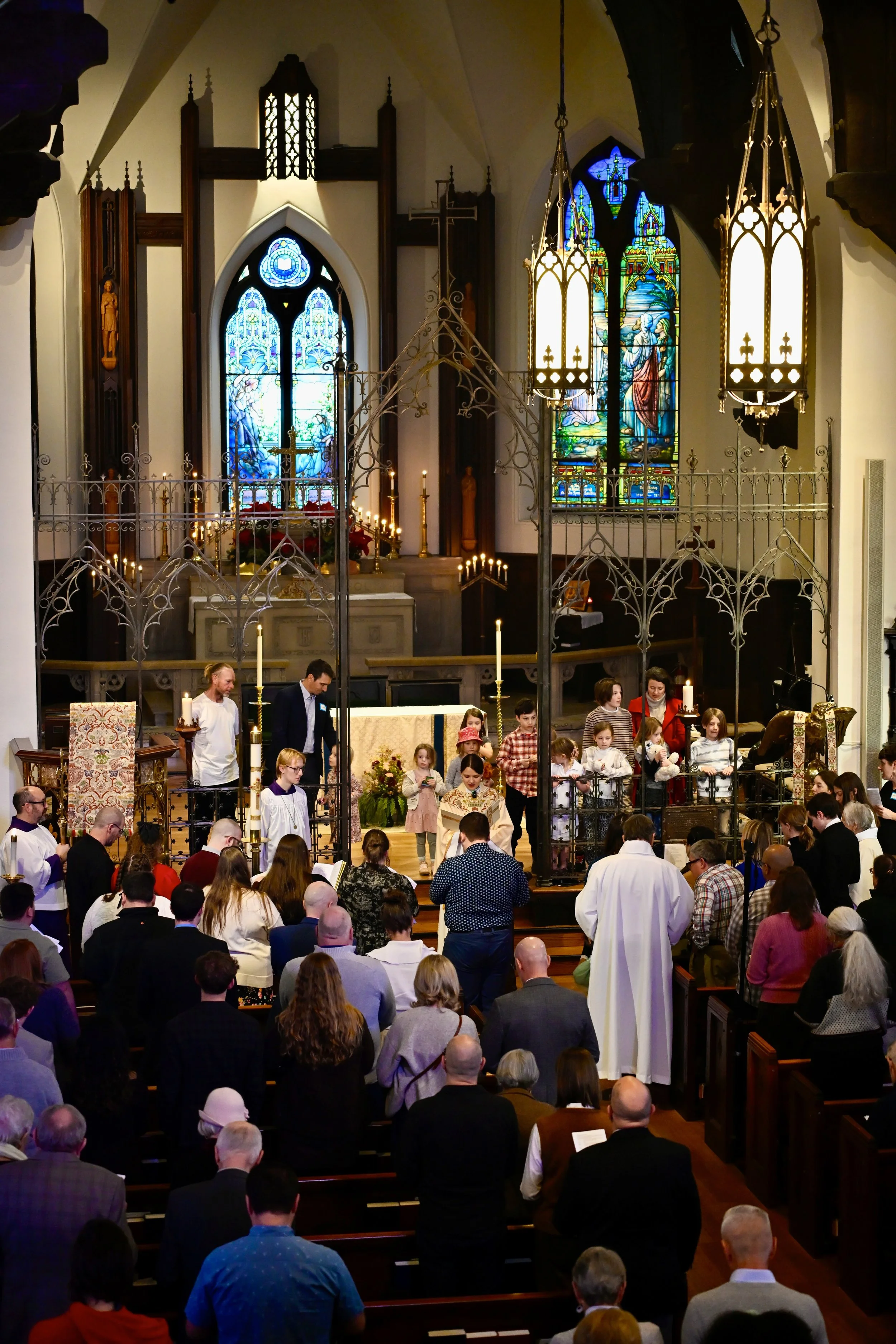
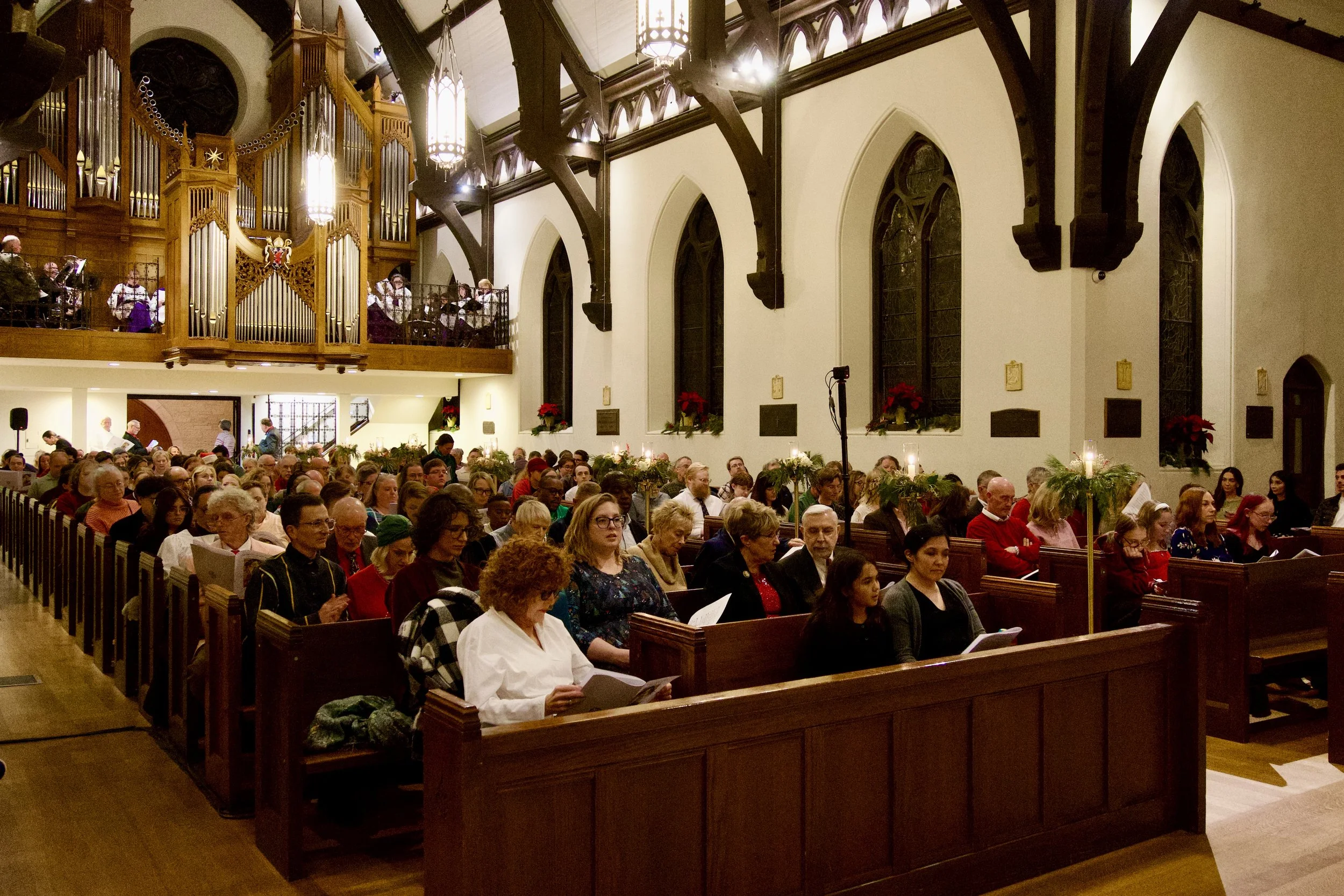
St. Mark’s is a parish unlike any you’re likely to encounter anywhere else in the country. Situated in one of America’s most distinctive cities, we’re attracting young families, children, and college students in increasing numbers—most of them discovering the Episcopal tradition for the very first time. People stay because they encounter worship that’s beautiful, reverent, and deeply meaningful, grounded in rich liturgy, music, and tradition. St. Mark’s is a place where questions are honored, participation is invited without pressure, and hospitality is practiced in tangible ways—from kneeling shoulder-to-shoulder at the altar to generous fellowship at a vibrant coffee hour. And, we genuinely like one another.
Worship & Music
Worship lies at the heart of our common life. At St. Mark’s, we appreciate sophisticated and thoughtful sermons and a theology that’s both intellectually rigorous and unapologetically profound. Smells and bells are a regular feature of our worship and we take pride in the beauty of our nineteenth-century cathedral. We treasure the Book of Common Prayer, the sacraments, the liturgies, the prayers, and the richness of Anglican hymnody, precisely because so many of us made an intentional adult choice to be here. While we value our traditional forms of worship, we’re open to the movement of the Spirit and to the variety of expressions of Anglican practice.
Music is also central to our worship experience. We’re blessed with a thoughtful and collaborative music director, a thriving choir program, talented organists, and a regular rotation of skilled visiting musicians. The congregation loves to sing and music is clearly cherished as a vital ministry rather than simply a performance. Alongside our principal services, we offer a weekly contemplative Eucharist called Light in the Darkness with Taizé chant, make regular use of Enriching Our Worship resources, and intentionally include Afro-American spirituals in our musical life. Sung Evensong every Friday invites participants into the beauty of chanting the psalms and praying the Daily Office together.
While we take the liturgy seriously, we’re not fussy or grim about it. Broad participation matters to us as much as ceremonial excellence. St. Mark’s maintains an impressive service rota with approximately 115 active volunteers and it’s rarely difficult to fill open roles. For a congregation with an ASA of about 220 this represents a remarkable level of engagement. Many members enthusiastically serve as greeters, ushers, musicians, teachers, altar guild members, acolytes, lectors, and lay eucharistic ministers. Our divine services matter deeply to us, and shared involvement is part of what makes them so meaningful.
“Joyous,” “Alive”: St. Mark’s Parishioners Describe Their Worship Experiences
“Here at St. Mark’s there’s just such a sense of life, and how what we do here is alive; it's not just dead ritual that people repeat because they have to. It's alive!”
– Dorothy Arnold
St. Mark’s parishioner
Christian Formation
Children
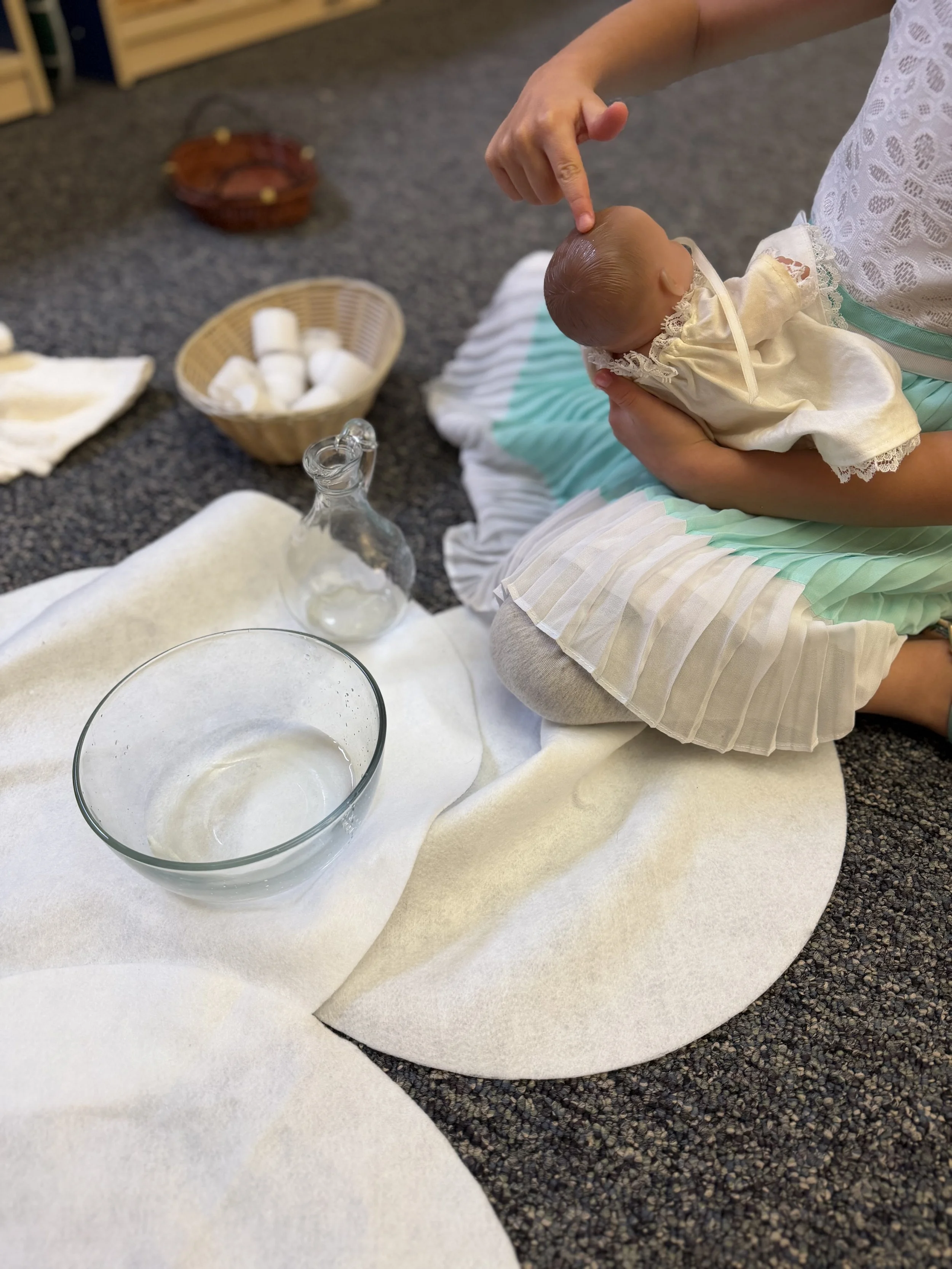
Children and families are an important and growing part of parish life at St. Mark’s. Our primary vehicle for children’s formation is Godly Play, which meets at 9:15 on Sunday mornings during the program year. Once a month we hold a family worship service where children take an active role as lectors and the sermon, music, and liturgy are designed with young disciples in mind. Our nursery provides a Montessori-inspired environment for toddlers through kindergarteners, while our children’s choir meets weekly for music formation and regular opportunities to sing in worship services. The family lounge offers a welcoming space for parents and children to connect before and after services.
This ministry continues to grow steadily. The nursery is full most weeks and new families are regularly joining St. Mark’s. To meet the needs of older children, we’ve just launched the Wayfinders formation class for grades 5-8, providing this age group with a dedicated space to explore their faith more deeply. Our youth program is currently on pause, and we recognize this as an important area for growth. We’re committed to reviving and expanding opportunities for high school students as our community grows.
Young Adults
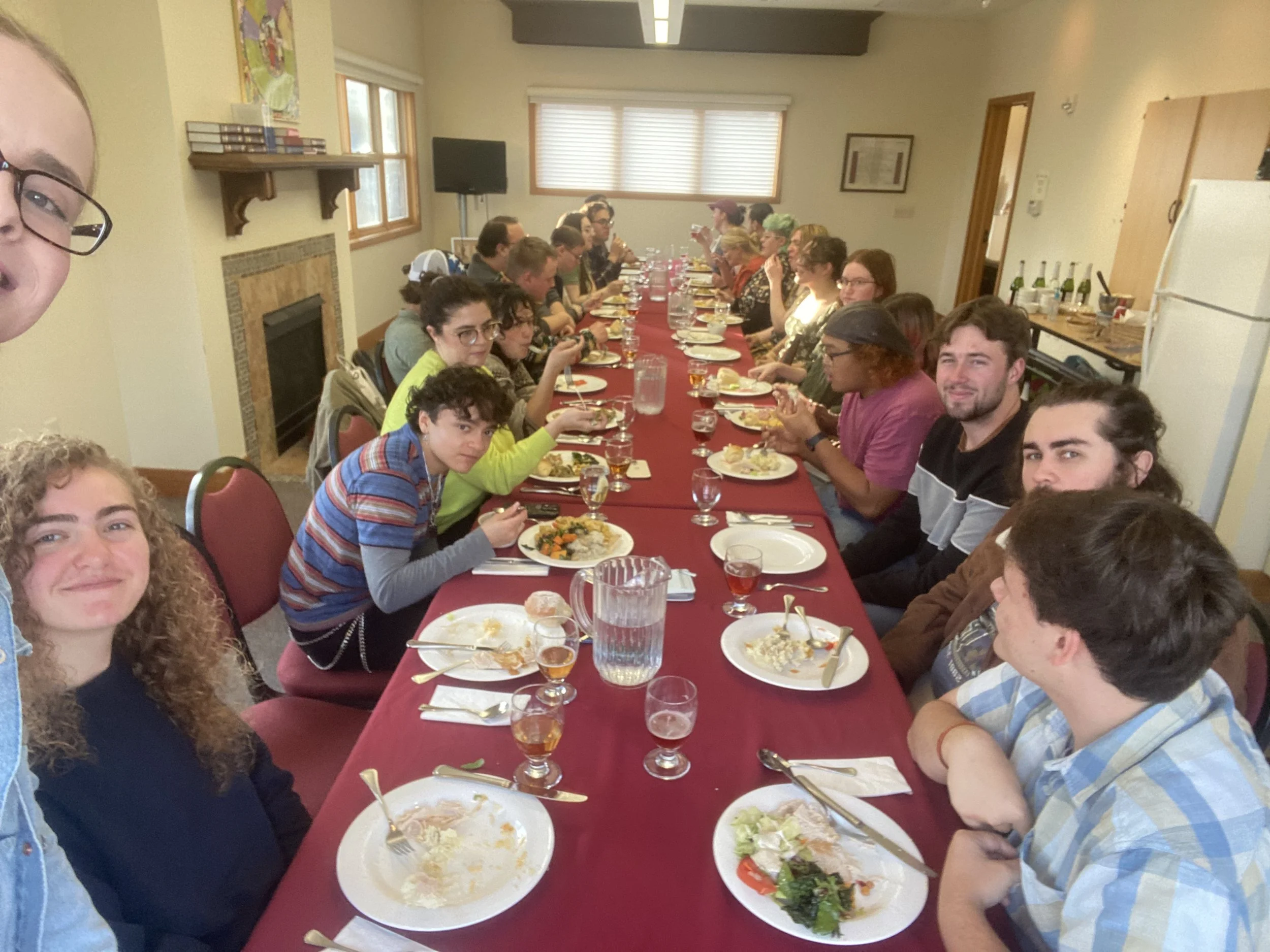
Solomon’s Porch is St. Mark’s young‑adult fellowship community, offering a welcoming space for connection and growth. This group gathers monthly for fun activities, service projects, camping trips, theological conversations, and other opportunities to build friendships and deepen faith.
The Table is a new ecumenical discussion and formation group for young adults, spearheaded by St. Mark’s to help fill a long‑standing gap in spiritual programming for this age group across the Salt Lake Valley. As a member of the Gather Network—an interdenominational coalition of young adult communities committed to deep, authentic engagement with faith—The Table offers a welcoming space for conversation, spiritual practice, and connection. This group meets twice a month for thoughtful discussion, shared practices, and opportunities for genuine fellowship.
Adults
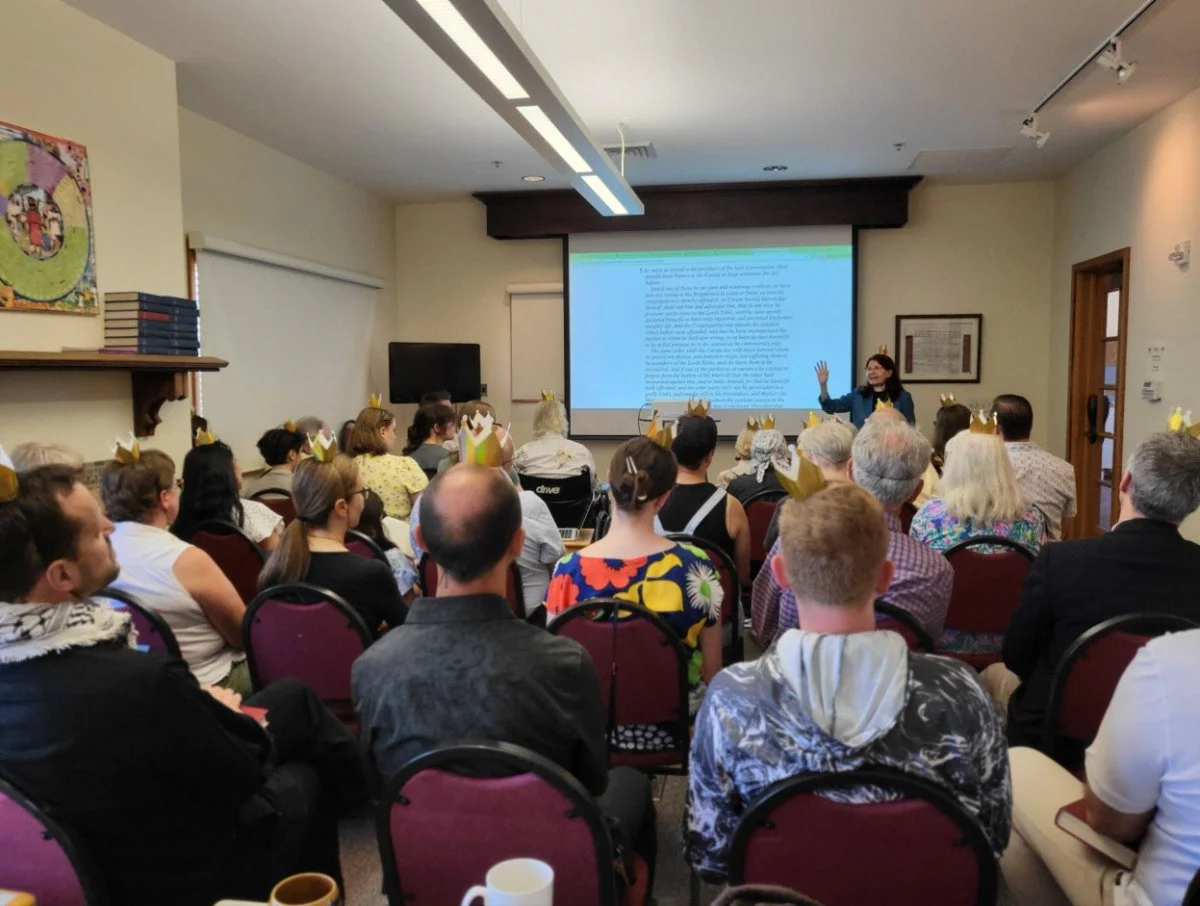
The centerpiece of the parish’s adult formation program is a Sunday morning class that meets at 9:15 a.m. Grounded in scripture, contemporary theological writing, and lively discussion, the class invites participants to go deeper in their journey as disciples of Christ. The parish currently uses the Episcopal Church’s Pilgrim curriculum as a backbone, supplemented by seasonally themed series throughout the year. In 2025, for example, parishioners gathered for two well-attended series on the life and teachings of St. Paul and the archaeology of first-century Palestine.
Beyond Sunday mornings, St. Mark’s offers a variety of opportunities for learning and spiritual practice throughout the week. Bible & Bagels provides a relaxed setting for conversation around scripture. A short fiction discussion group meets weekly to reflect theologically on literature, and contemplative prayer groups provide an introduction to silent prayer for beginners and a space to deepen the practice for those with experience.
Newcomers &
Faith Transitions
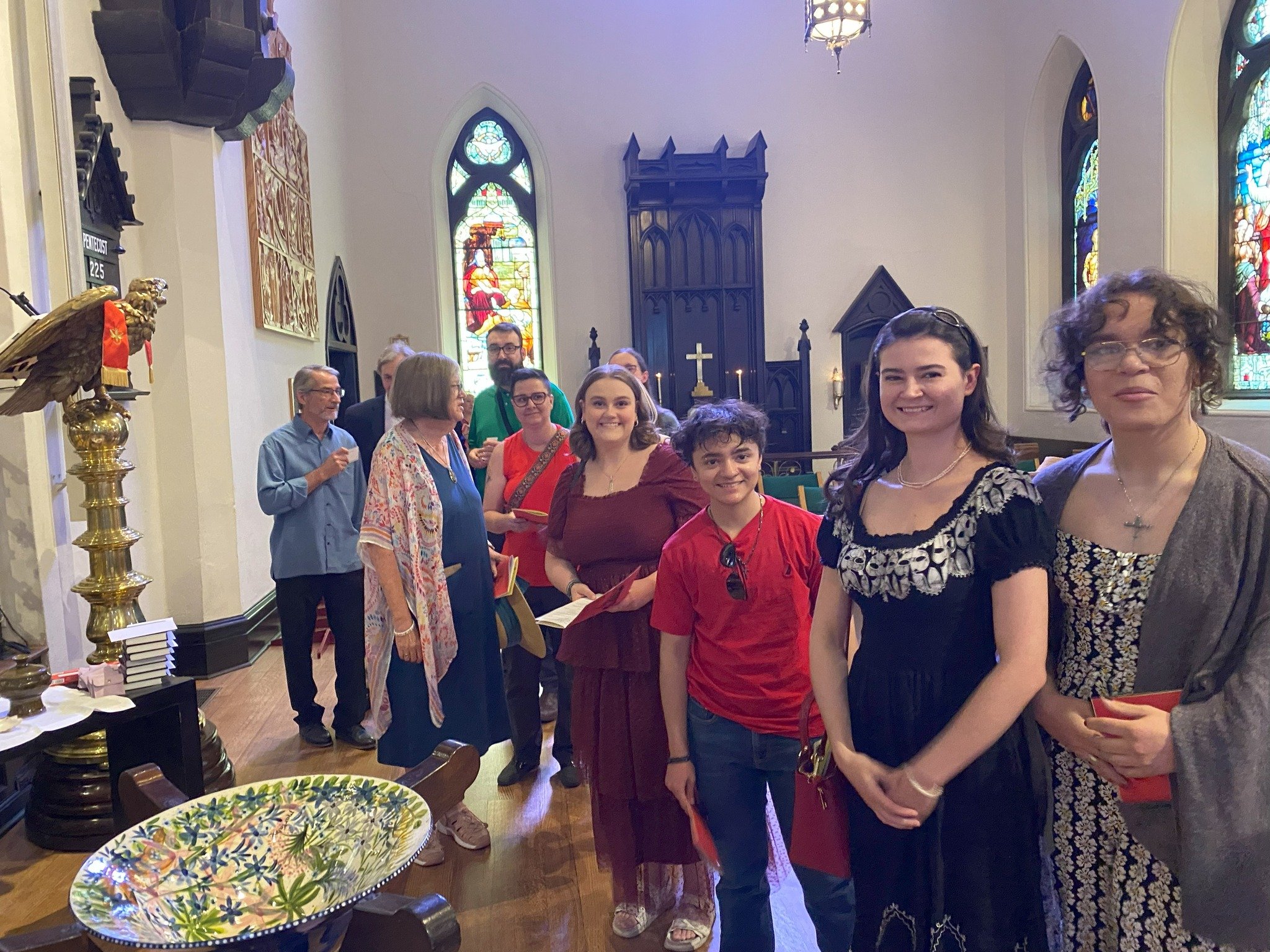
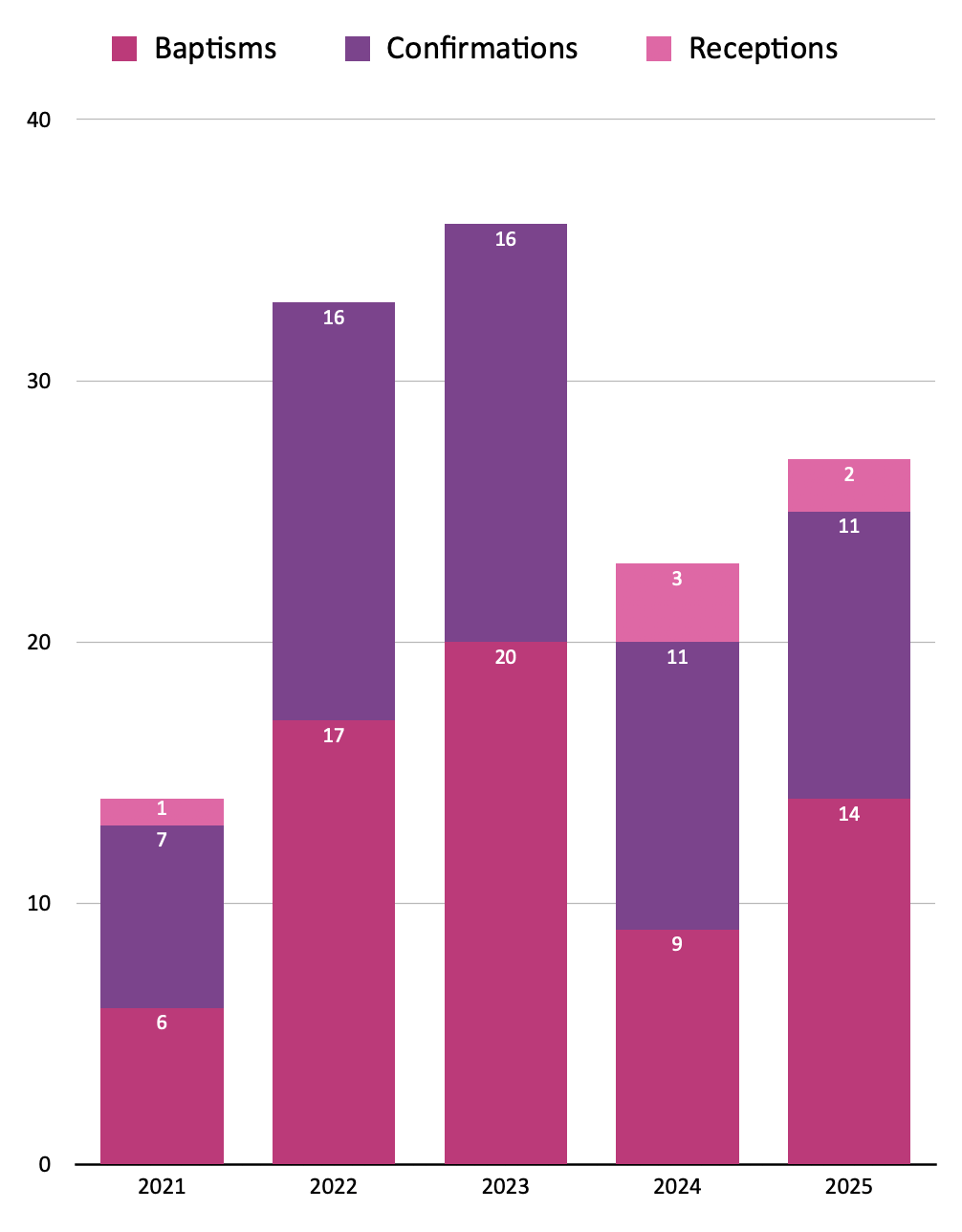
St. Mark’s is growing, mostly with new parishioners who are also new Episcopalians. This is why we offer an 8-week newcomers’ course twice a year. Essentially “Episcopal 101,” this class provides accessible, conversational instruction in the sacraments, basic Nicene theology, the liturgical seasons, church history, the Book of Common Prayer, how to pray the Daily Office, basic contemplative practices and personal spirituality, and the rich symbolism that surrounds us in the cathedral. Attendance at these sessions, taught by both ordained and lay instructors, sometimes fills the classroom to overflowing. The goal is to help new members and seekers get comfortable with the Anglican tradition, giving them the tools to experience worship in a deeper way, integrate into the St. Mark’s community, and become active participants in lay ministries.
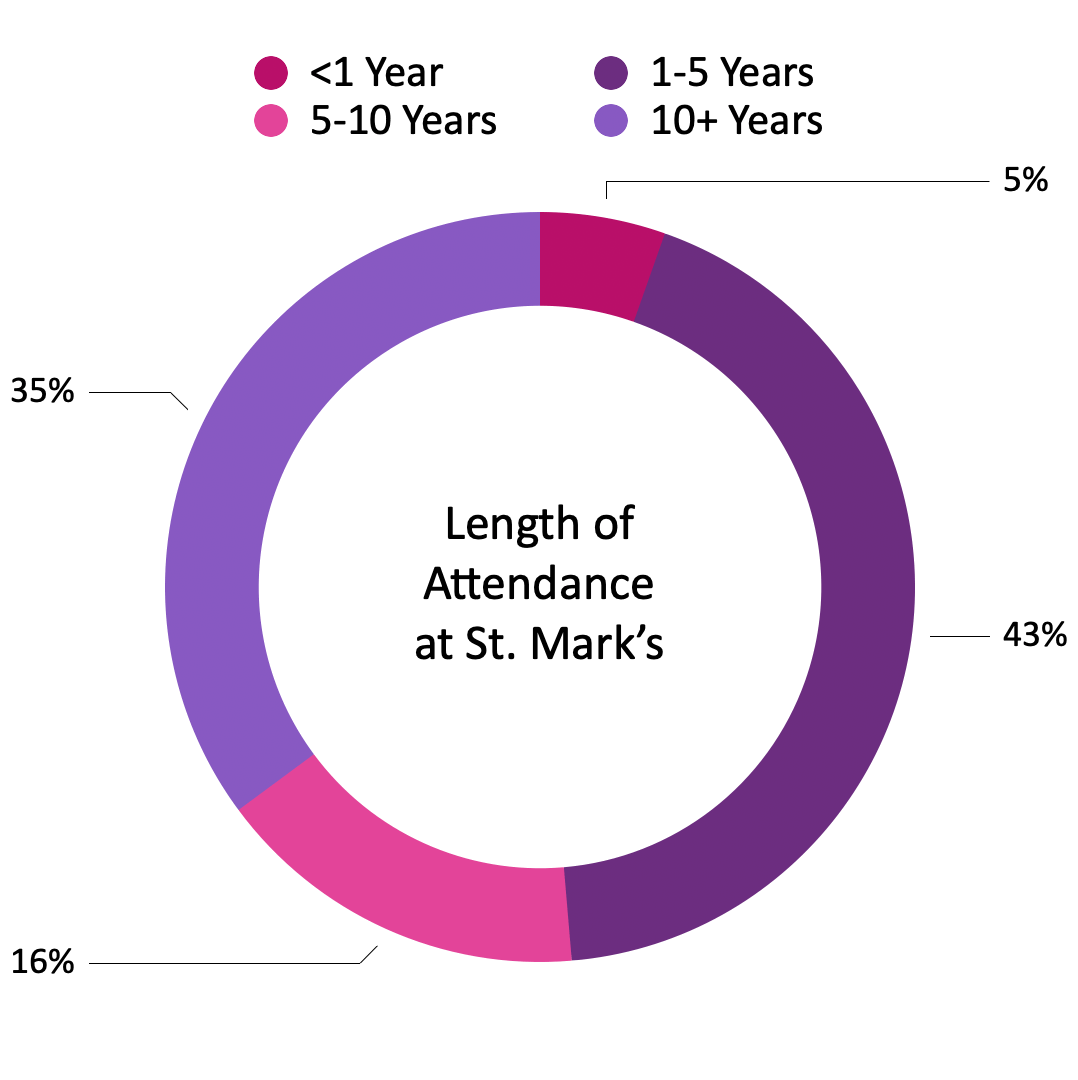
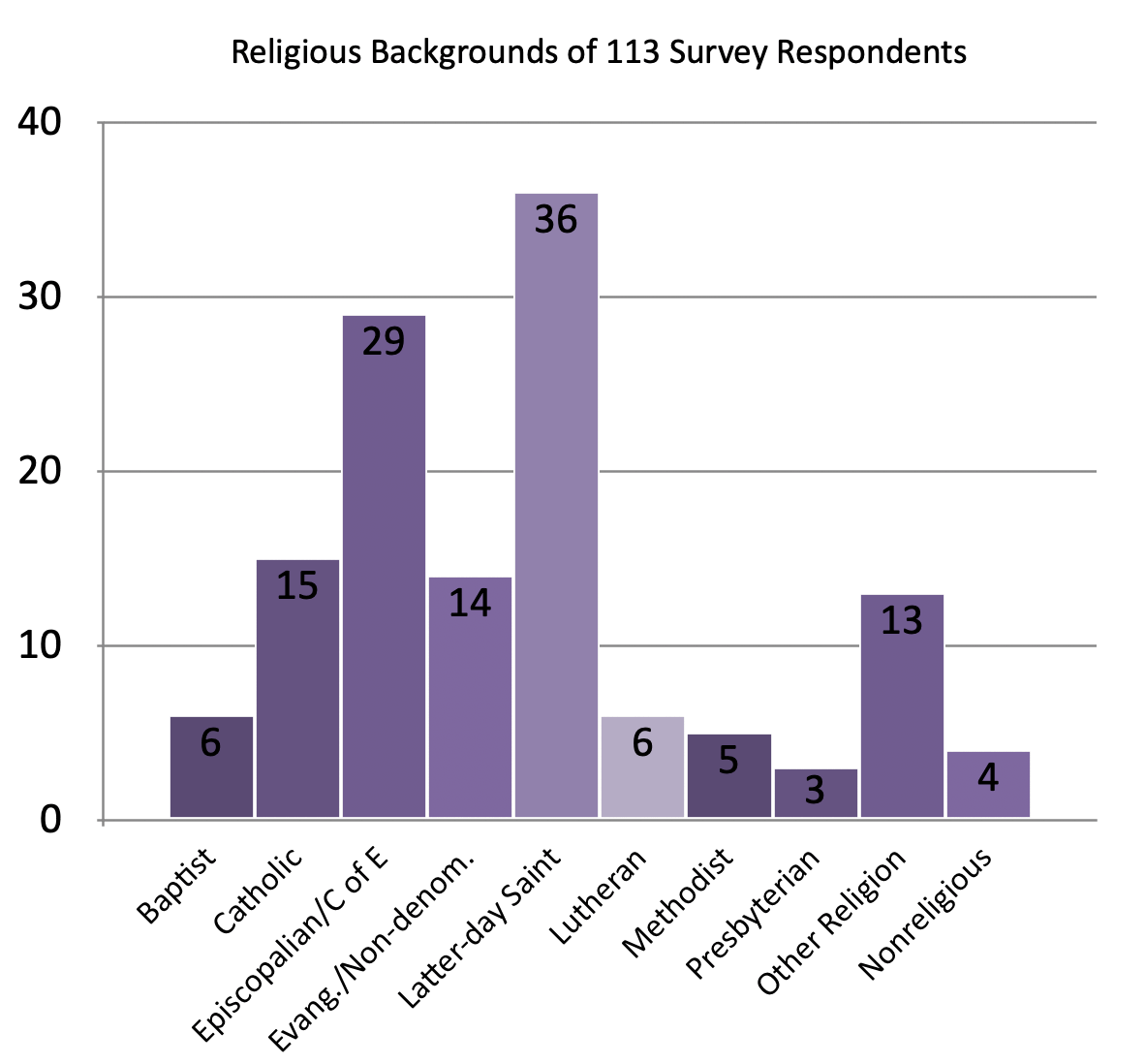
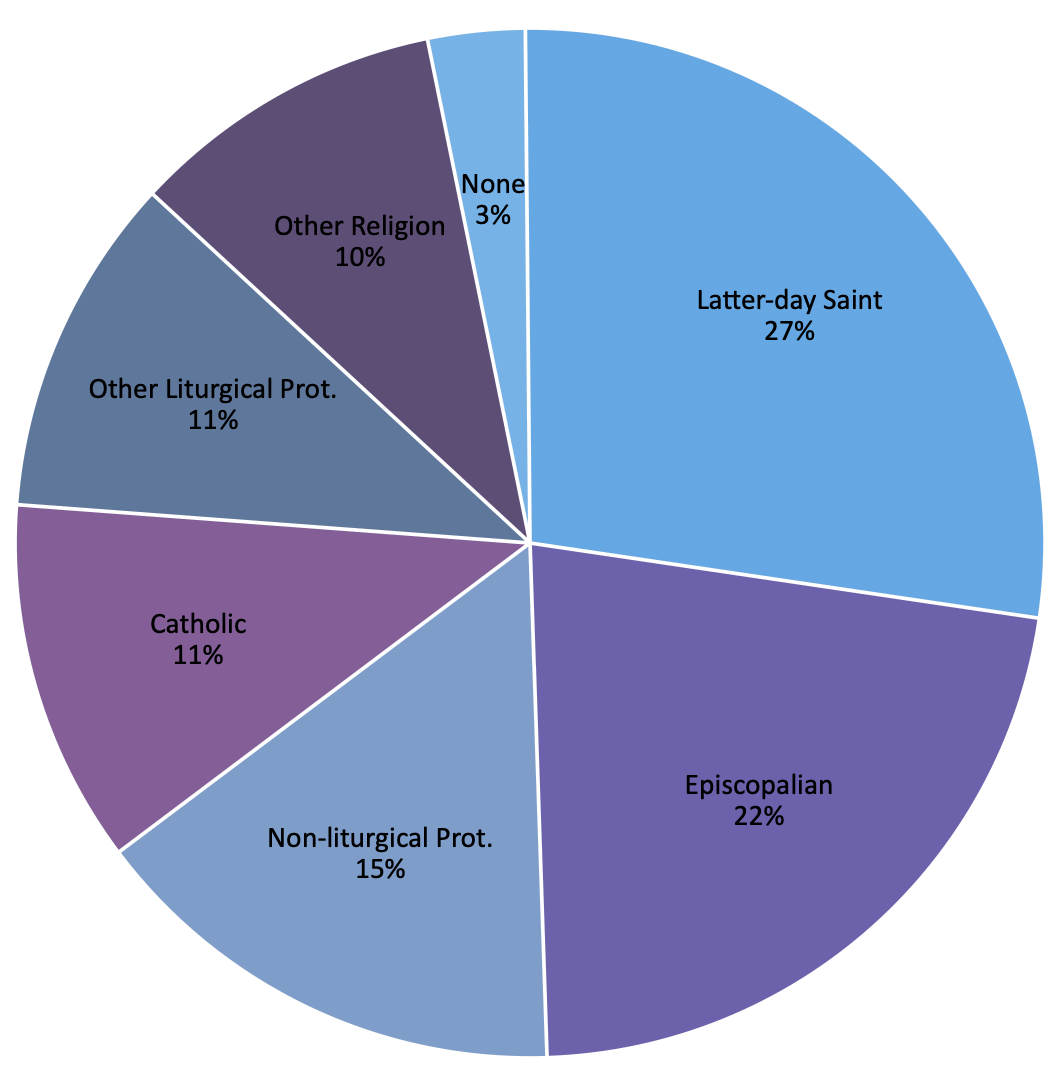
Faith transition is critically important at St. Mark’s, because about half of our parishioners have been worshipping with us for less than five years and typically come from a non-liturgical background. Our cathedral is blocks away from the world headquarters of The Church of Jesus Christ of Latter-day Saints. Nearly one-third of us used to be Mormon and another 12% come from evangelical backgrounds. This means nearly half of our congregants have unique pastoral needs as they come to us from high-control religions. Accordingly, we try to provide an orderly faith transition, one that benefits from the support of others who have walked the same difficult road.
In addition to forming new spiritual practices and gaining a grounding in another way of being Christian, individuals who have decided to leave the Mormon tradition must go through a grieving process. Leaving a high-control religion often results in strained or lost social and familial relationships. They may also struggle to reconsider their basic theological notions (especially Christology), the role of the church, and what that means to how one lives their life. It is—in a very real sense—a personal Reformation.
Our new dean will either need to come with existing knowledge of Mormonism’s unique beliefs and culture or be willing to learn quickly. Our priests and deacons are all called to guide parishioners who are healing, processing their emotions, and working through a period of alternating spiritual highs and lows. Current data in Utah suggest that fewer than half of lifelong Mormons are choosing to remain active Latter-day Saints as they enter adulthood, so we anticipate continued and even growing interest in St. Mark’s from many former or inactive Mormons seeking a new and more nourishing relationship with God.
“I had grown up believing in....the Jesus we read about in the Bible [who] loves everybody and advocates for the poor and disenfranchised, and I couldn't find that where I was. ...But that God is not just preached here and believed in here, but saturates the walls and the people here.”
– Madi Rooker
former Latter-day Saint
St. Mark’s parishioner since 2020
Outreach Ministries
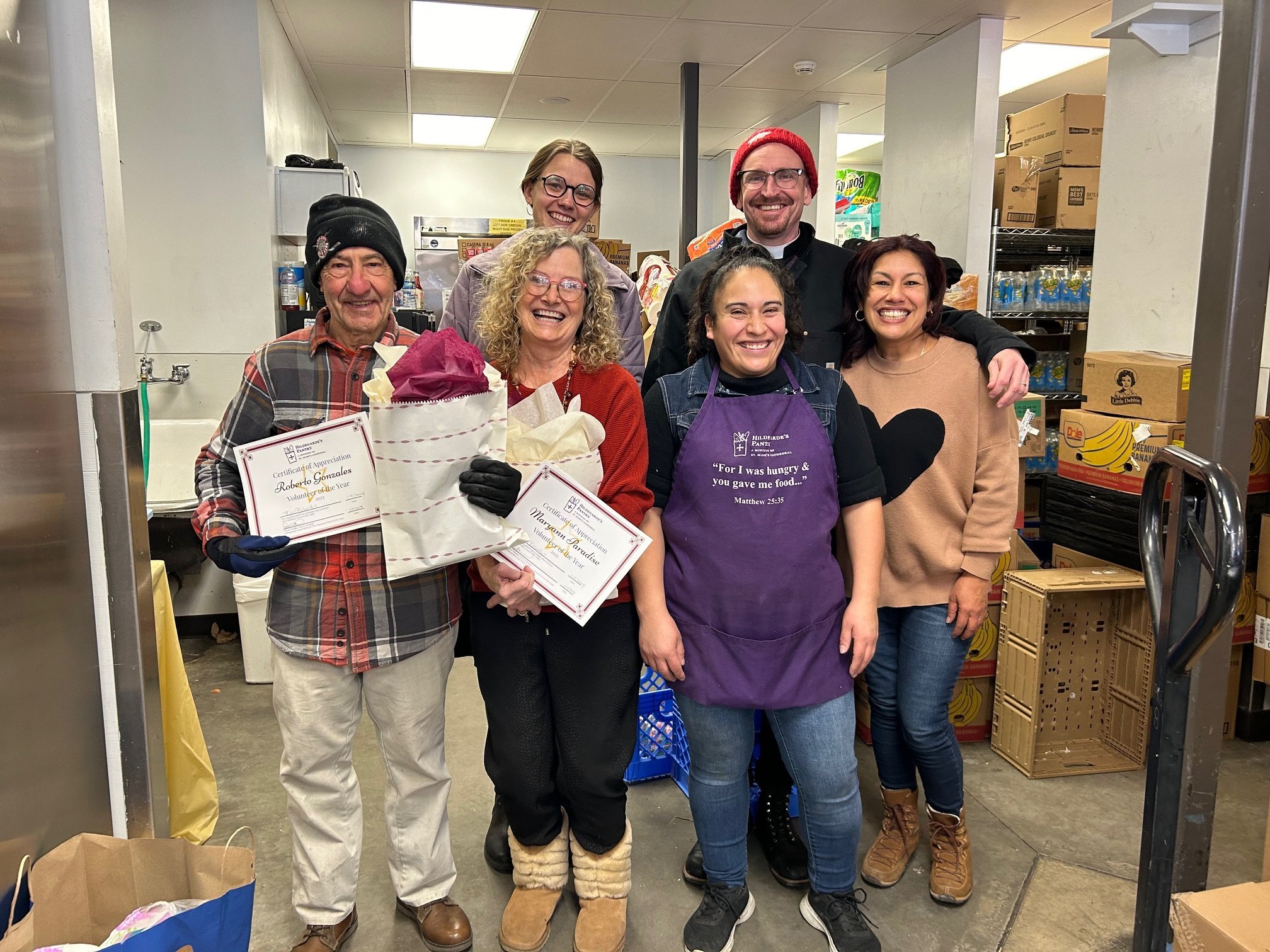
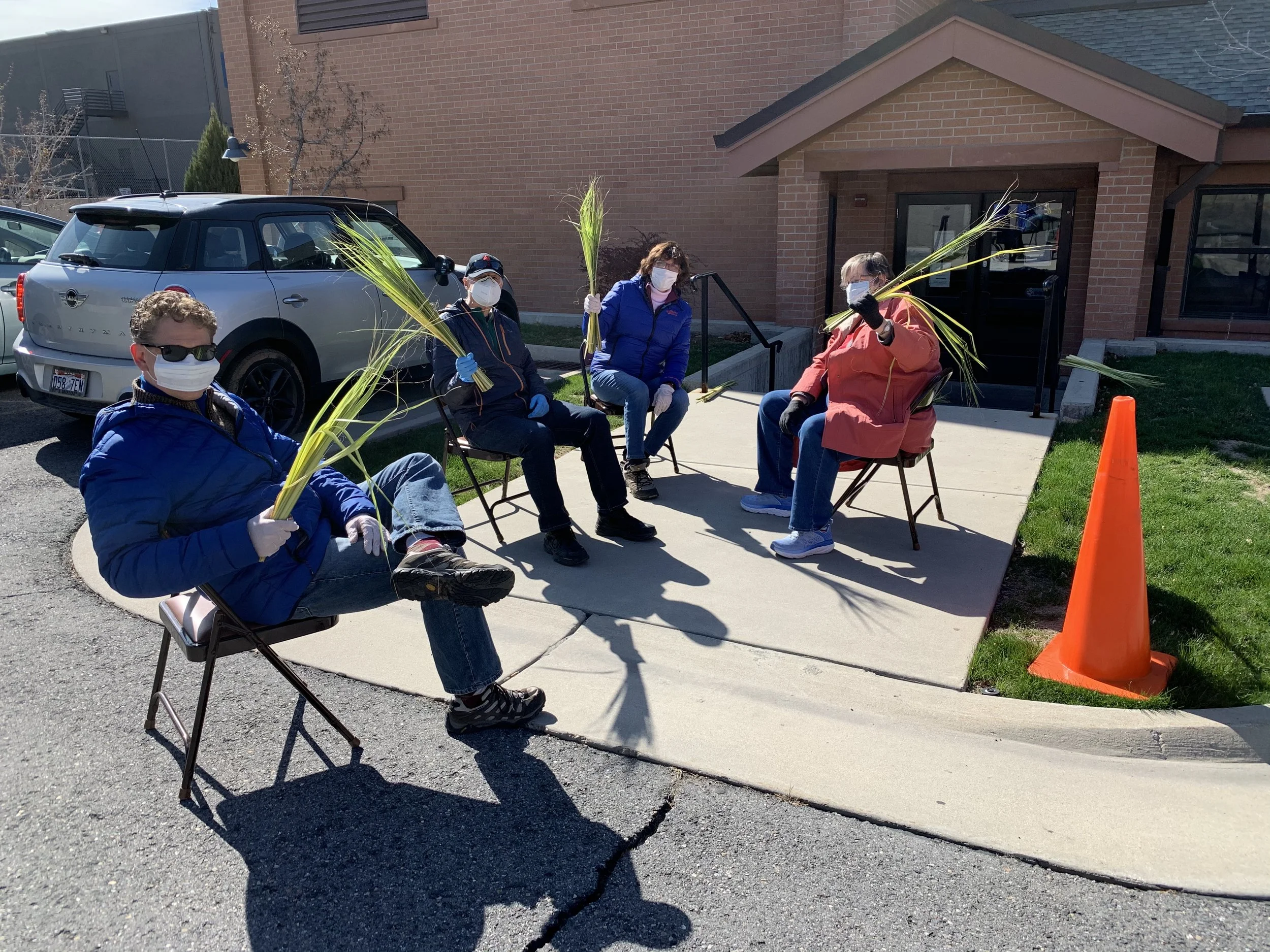
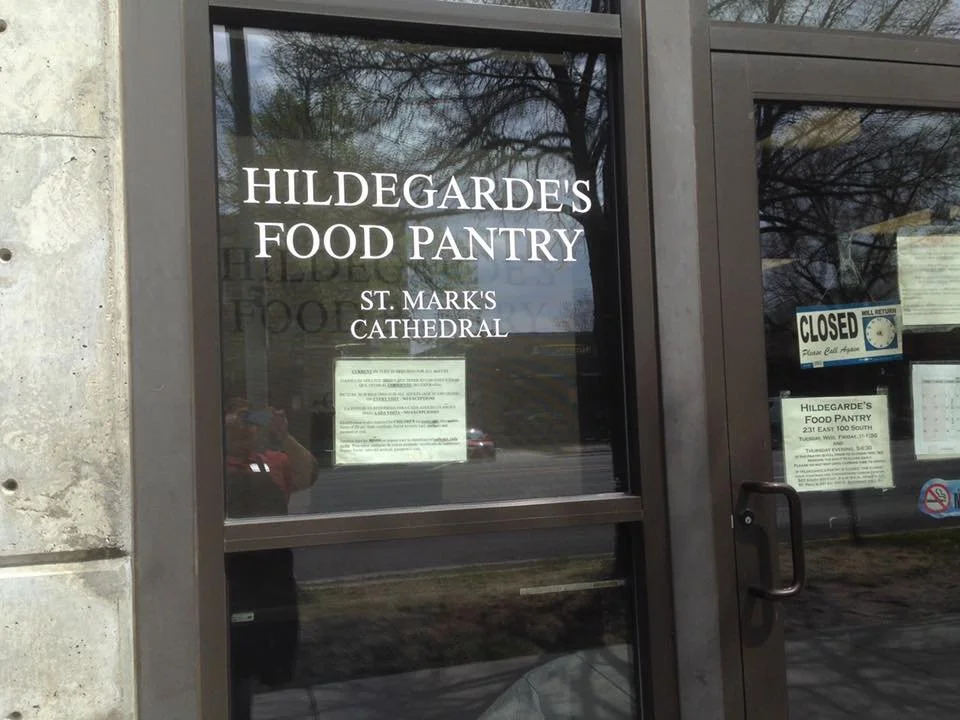
Hildegarde’s Pantry: Because of our location in downtown Salt Lake City, St. Mark’s sits at the epicenter of the growing homelessness and food insecurity that affect northern Utah’s urban core. To help care for our neighbors who may struggle to find their next meal, St. Mark’s launched Hildegarde’s Food Pantry in the early 1980s, offering consistent support to our community for more than four decades.
Each month, the Pantry provides food assistance to nearly 4,000 individuals. Through strong partnerships with organizations such as the Utah Food Bank, The Church of Jesus Christ of Latter-day Saints’ Welfare Square, and Grocery Rescue, we’re able to deliver basic groceries to Utah residents facing food insecurity throughout the year.
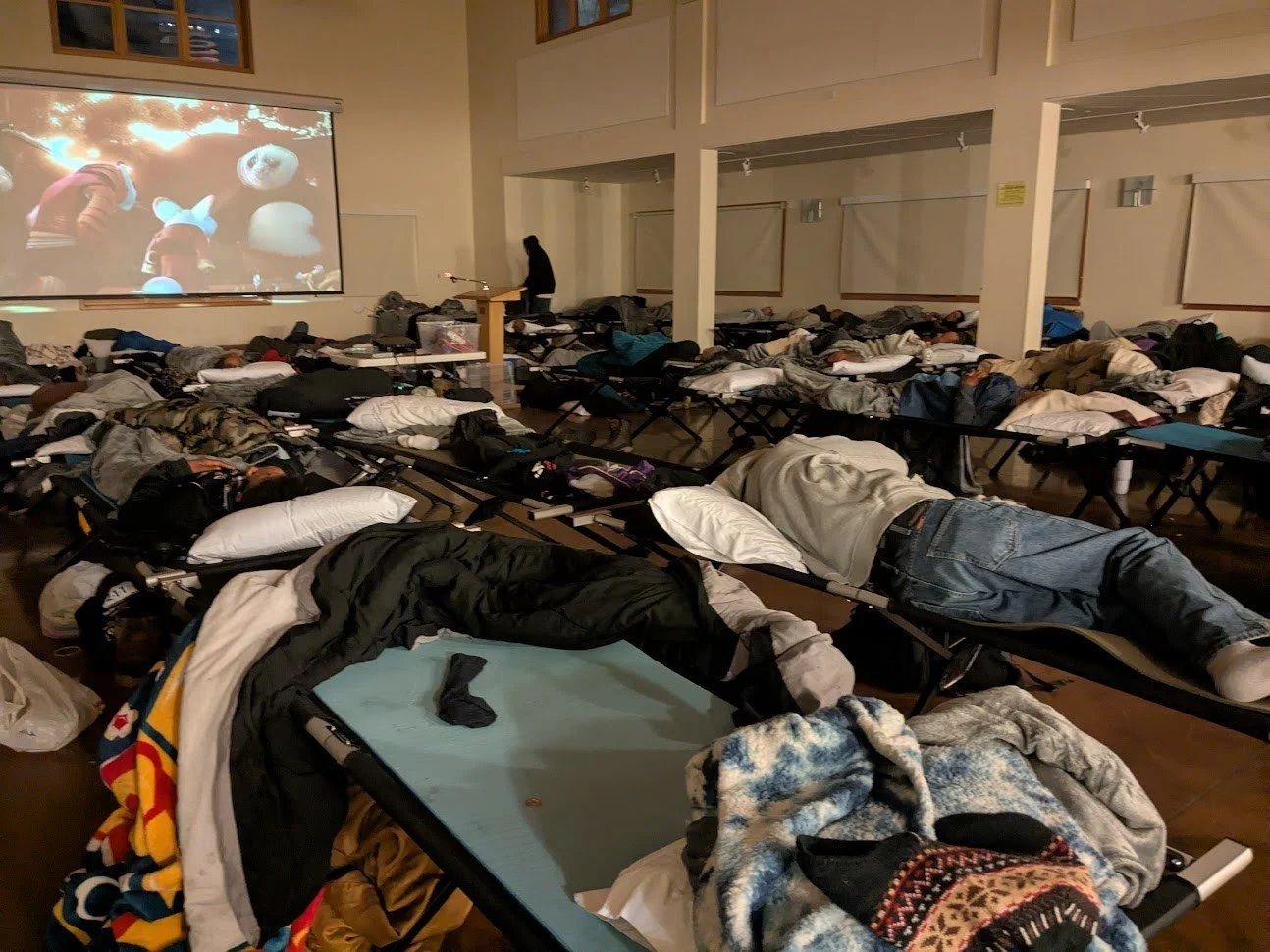
Code Blue: In addition to food insecurity, St. Mark’s is deeply concerned about the growing number of individuals who find themselves unhoused on the streets of Salt Lake City—especially during our often frigid winters. On a night when the temperature is forecast to fall to 18° or lower, the State of Utah issues a Code Blue alert.
When this happens, St. Mark’s takes action as well. In partnership with Unsheltered Utah, we open our doors as a cold‑weather shelter on these dangerously frigid nights, offering a sacred welcome to those experiencing homelessness. Guests receive warm beds, hot meals, meaningful conversation, uplifting movies, essential supplies, and compassionate care—creating a place of safety and dignity when it’s needed most.
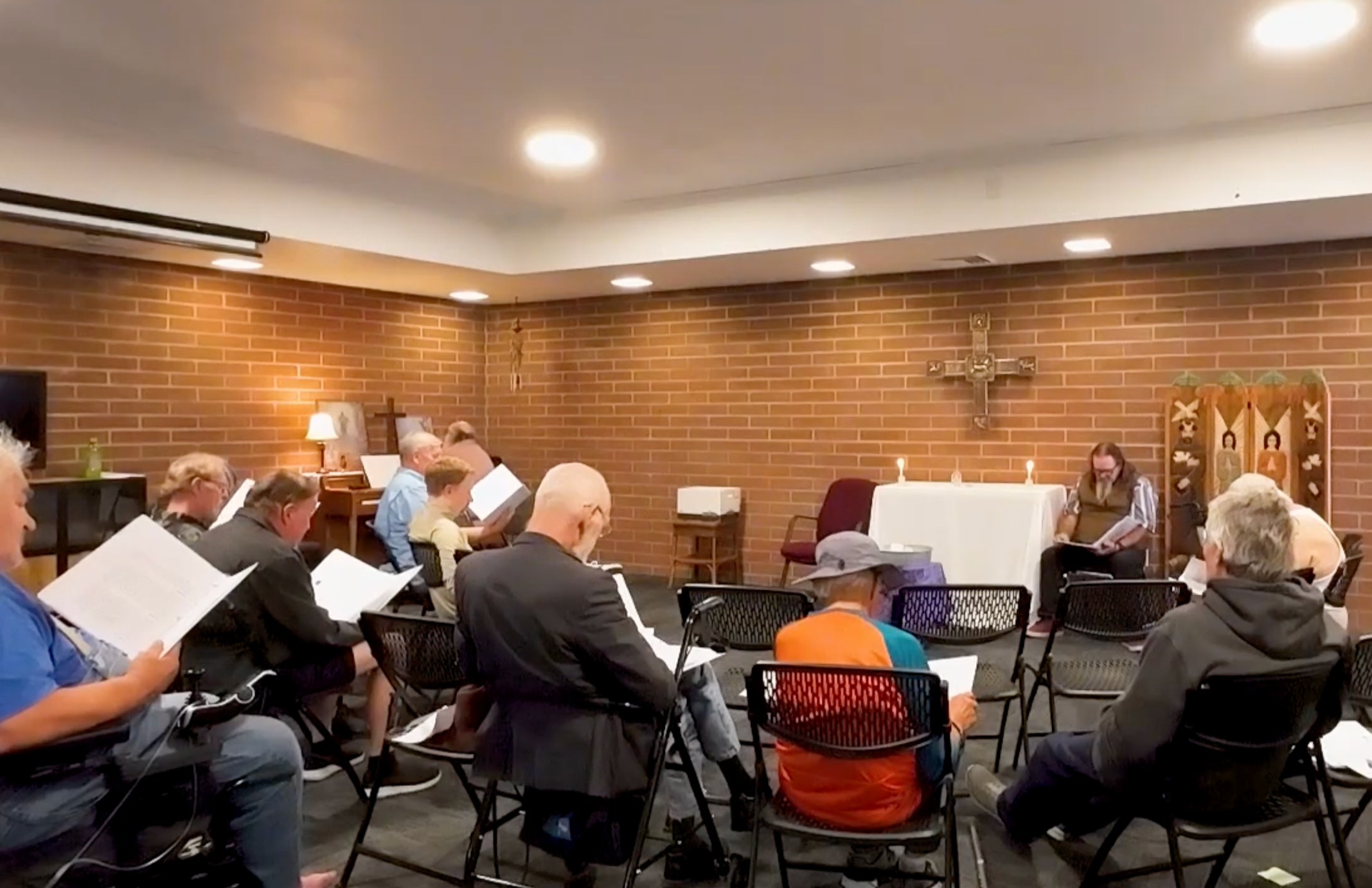
The Point: In addition to addressing immediate needs like providing a warm place to sleep on a cold winter night, St. Mark’s is also taking a long view when it comes to caring for our neighbors who’ve experienced homelessness. The Point by Switchpoint offers affordable, supportive housing for individuals experiencing homelessness, with particular emphasis on seniors, veterans, and those in recovery.
Residents receive dedicated case management to help them build stability and move toward long‑term independence. St. Mark’s supported the creation of this community with a contribution to initial startup funds. We continue to minister there by offering Evening Prayer and a shared meal every Sunday, a monthly celebration of Holy Eucharist at the Point, as well a mini on-site location of Hildegarde’s Food Pantry.
Our Diocese
The Episcopal Diocese of Utah spans most of the state and a small portion of northern Arizona, serving urban, suburban, and rural communities alike. Its more than 20 congregations include Spanish- and Sudanese-speaking communities as well as two churches on Native American reservations, reflecting the diocese’s commitment to diversity, inclusion, and local engagement. Across all its ministries, the diocese emphasizes vibrant worship, practical discipleship, and service that meets real community needs.
The Rt. Rev. Phyllis A. Spiegel, consecrated in 2022 as the 12th Bishop of Utah, leads the diocese with a focus on innovative ministry, intentional community building, and supporting clergy and lay leaders as they discern and live out their calling.
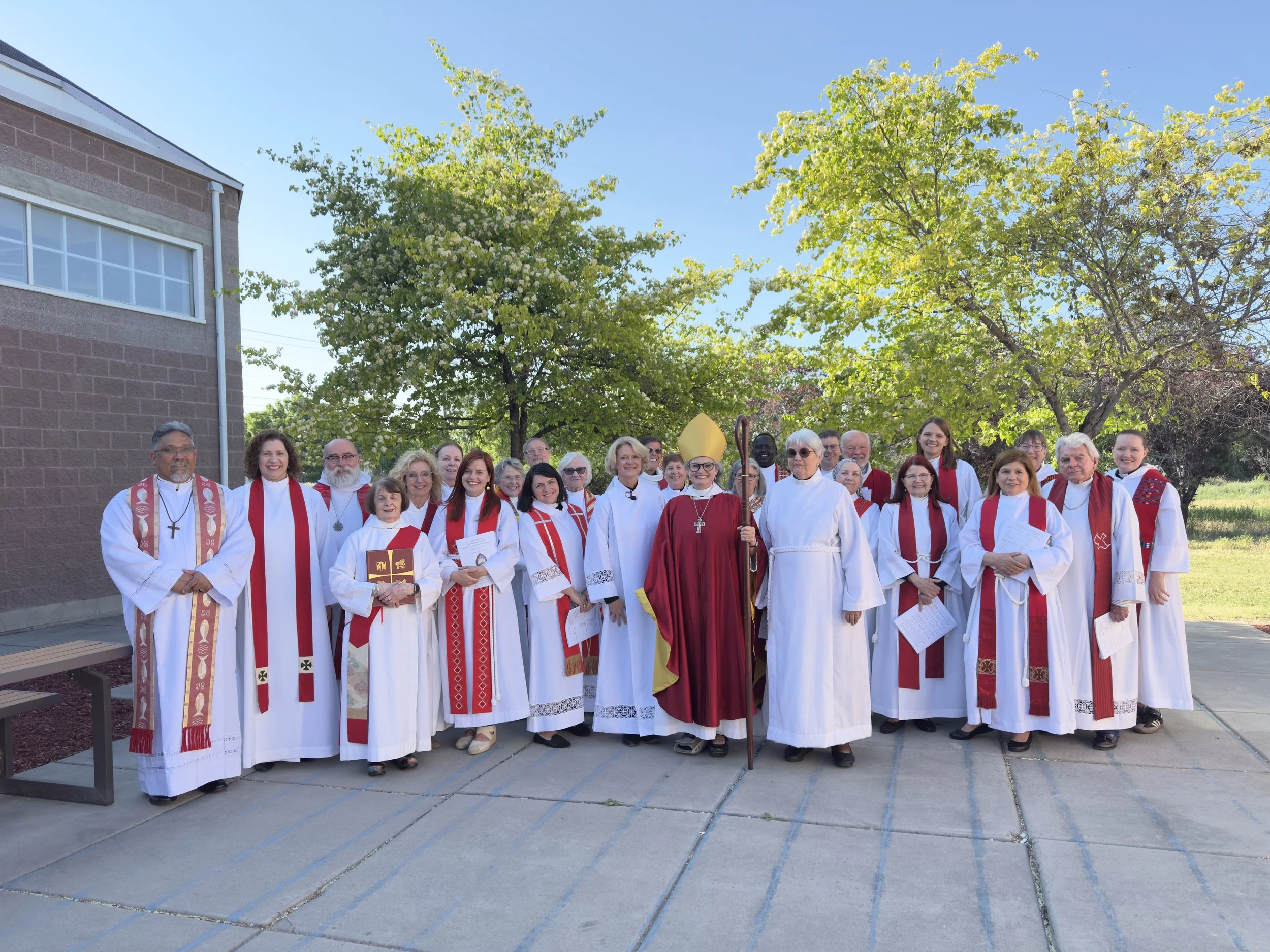
A Letter From the Bishop
Greetings in the name of Christ!
The Diocese of Utah is comprised of incredibly faithful people, courageous congregations, and communities that are deeply committed to following Jesus in meaningful ways.
In these past years together, we have spent a great deal of time discerning who God is calling us to be. The words of the prophet Isaiah have become something of a touchstone:
“You shall be called the repairers of the breach, the restorers of the streets to live in.”
That image captures our sense of vocation. The Church in Utah is called to participate in God’s work of restoration—restoring trust, restoring hope, and restoring communities through the love of Christ. What the church calls restoring the Beloved Community of God.
We are centering our life together in the practices of discipleship, committed to forming Christians who are:
Rooted in Jesus, Joyous in Discipleship, and Abundant in Spirit.
That language isn’t simply a slogan for us; this Mission Proclamation expresses the spirit of our diocesan life. We believe that following Jesus should be both deeply meaningful and deeply joyful.
To support this work, we have committed ourselves to a framework of congregational vitality. Together, we are striving to be Christ-like disciples who embody our faith through discipleship vitality (clergy growing skills in making disciples); congregational vitality (formation of lay ministry leaders); financial vitality (on a parish and diocesan level); and evangelism vitality.
This work is helping us reclaim and strengthen our Episcopal identity—grounded in sacramental worship, thoughtful faith, and a deep commitment to justice, compassion, and the dignity of every human being.
Utah presents a unique context for ministry. As Episcopalians in Utah, we are a minority faith tradition. Yet that reality has shaped us in healthy ways. It has encouraged us to be clear about who we are, why our tradition matters, and how we live our faith in the wider community. Ministry in Utah feels very much like an early church approach to proclaiming the Good News of God in Jesus Christ.
What I love most about this diocese is the spirit of possibility that runs through it. Our congregations, supported by the diocese, are exploring ways to grow in faith through practices rooted deeply in our faith tradition.
If you are someone who is energized by forming disciples, strengthening congregations, and helping the Church live more fully into its identity, then you may find Utah to be a remarkable place to serve.
God is doing beautiful work here. I would be delighted for you to come and explore it with us.
Faithfully,
Diocesan History
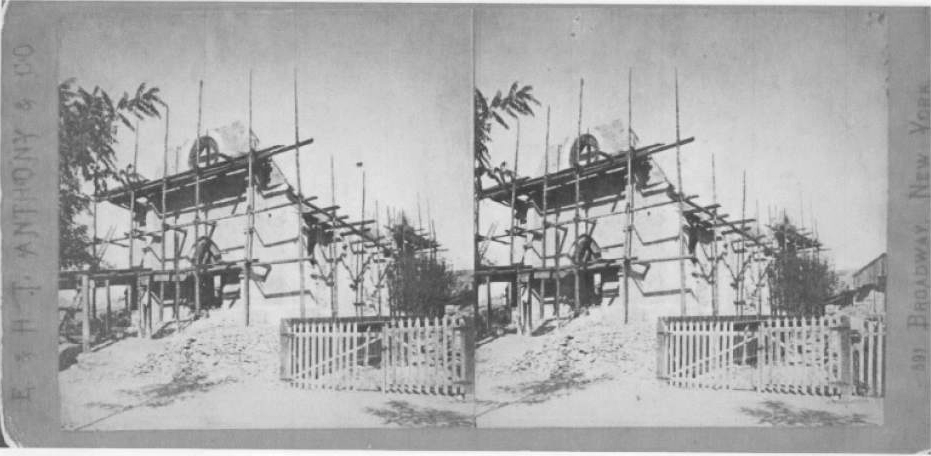
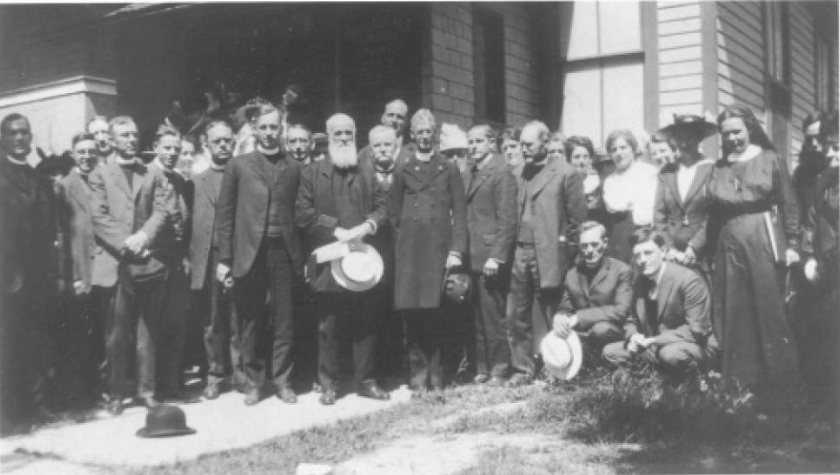
The history of the Diocese of Utah, and that of the Cathedral Church of St. Mark, have been inextricably linked from their inception, and in the earliest years of operation, they were virtually indistinguishable from one another. Bishops maintained an office in either the cathedral itself—which is now the cathedral’s library—or in Spalding Hall, our first parish hall, up until the mid-1990s.
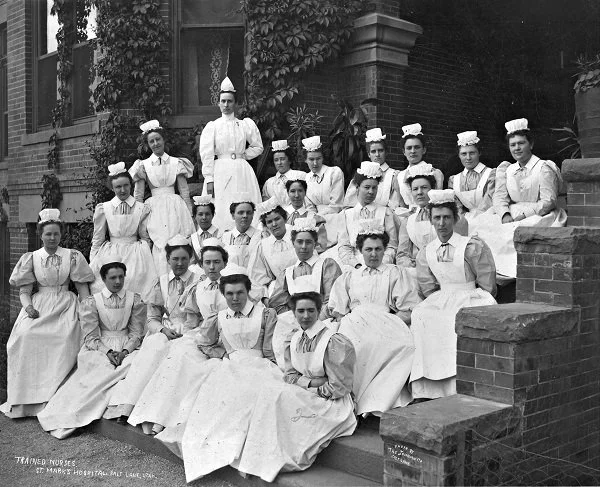
From its origins as a missionary district, the diocese has ministered to under-served populations. St. Mark’s Hospital was founded in 1872, with a subscription program for local miners which provided all medical care they needed for just $1 per month. During Bishop Abiel Leonard’s episcopacy (1888-1903), missions to the Ute people were established.
Over the years, due to changes mandated by General Convention, our diocesan boundaries have included parts of Colorado, Idaho, Nevada, and Wyoming. Today, the diocese covers almost all of Utah, except for the Navajo Reservation, and also includes the town of Page, Arizona.
Since the time of Bishop Franklin S. Spalding’s episcopacy (1905-1914), and that of his successor Paul Jones (1914-1918), the diocese has strongly supported social issues. Today it is a welcoming place for all, with particular support for members of the Latino, LGTBQ+, and Indigenous communities.
Our Membership
Steady Growth
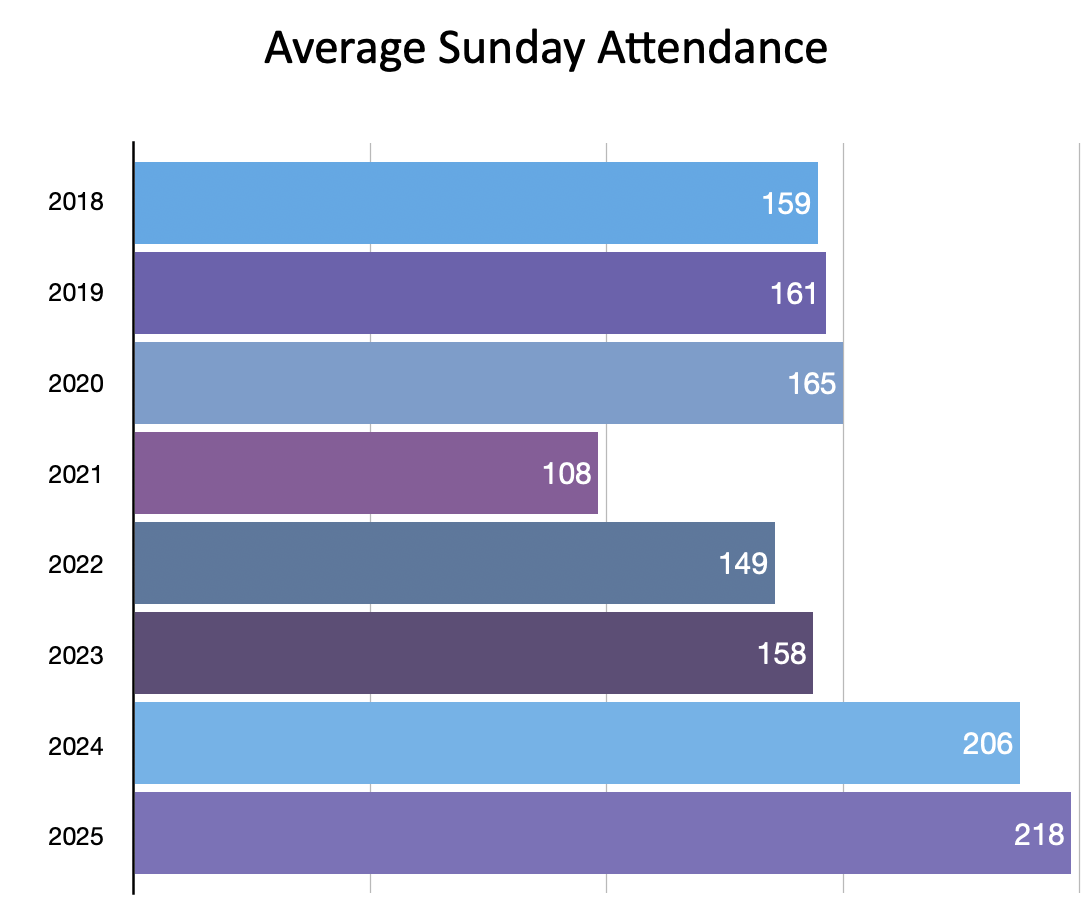
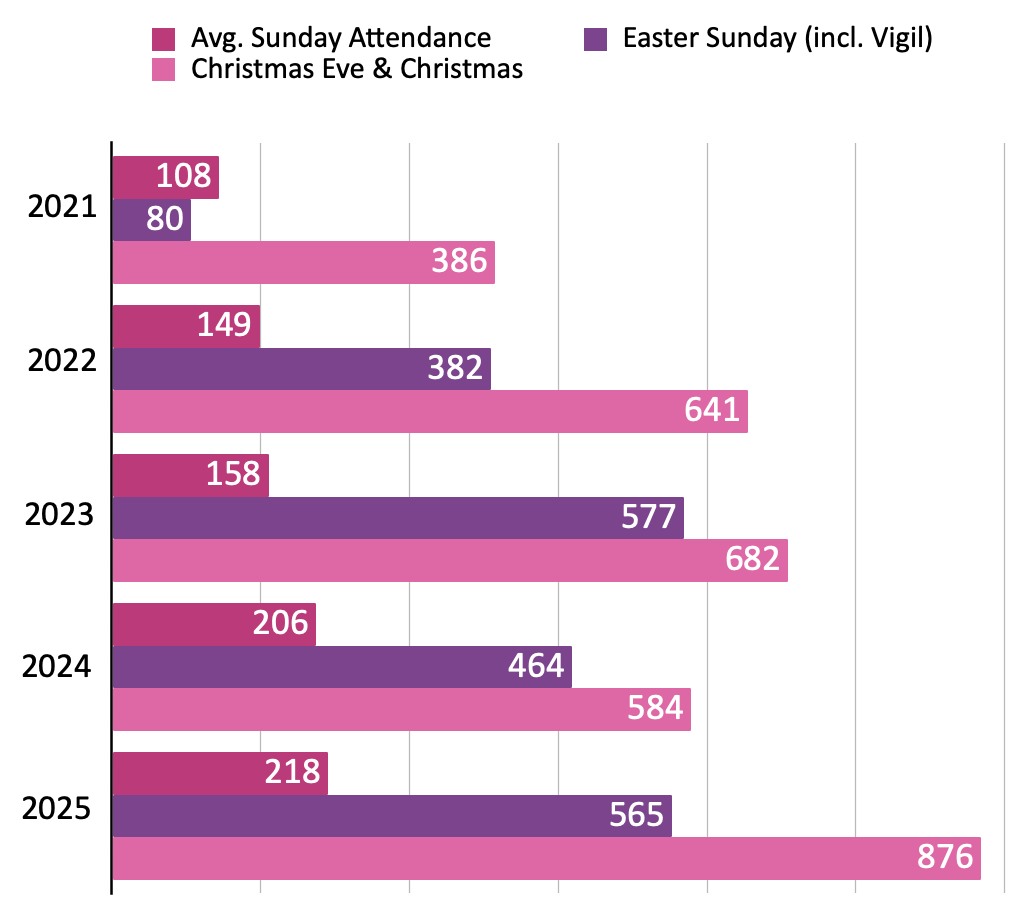
St. Mark’s is in the fortunate position to have experienced steady post-pandemic growth. Average Sunday Attendance has increased each year post-Covid, with a large jump from 2023 to 2024 and continued growth from 2024 to 2025. Our 2025 ASA of 218 represents over 32% growth compared with our best pre-Covid year. Early figures from 2026 indicate that this growth trajectory continues. Attendance at Christmas, Easter, and other Holy Days continues upward as well.
Families & Formation
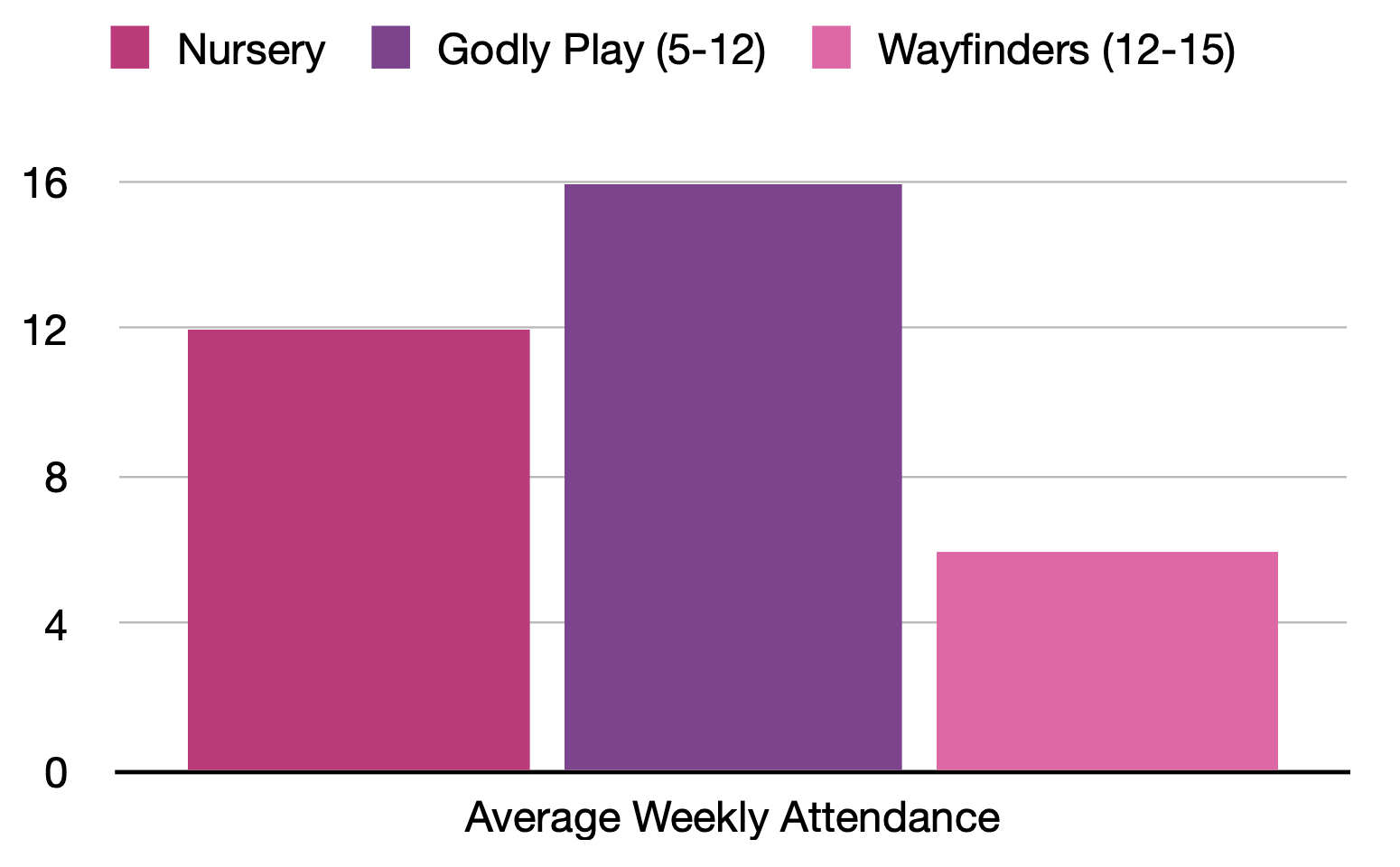
Among the 113 members who responded to our survey (which represents 52% of 2025 ASA), there are 62 children across 30 families—roughly a quarter of responding households. Under 12s represent 46 of these children. Though not all children attend regularly, these age groups are currently well-served by our thriving nursery and Godly Play children’s formation offerings. We’ve also just launched a middle school (grades 5-8) Sunday morning formation class called Wayfinders. As we continue to welcome new families to the cathedral each year and as current member children grow, we face the challenge of needing to grow with them through their teenage and college years. This represents an opportunity to form young disciples: rooted in Jesus, strengthened through our cherished Anglican heritage and traditions, and enlivened with the Holy Spirit, for an adulthood of Christian life and ministry in their communities.
Congregational Demographics
Like many Episcopal parishes, St. Mark’s parishioners tend to be well-educated, with 52% holding a master’s and/or doctorate degrees; another 27% have a bachelor’s degree. Our urban demographic transcends all lines of class and socioeconomic backgrounds, though. Perhaps unlike many, we tend to come from a wide range of religious backgrounds. Less than a quarter of us arrived at St. Mark’s as Episcopalians. Members from the Mormon and Evangelical/non-denominational sectors constitute nearly half of our parish. Most liturgical and many non-liturgical traditions are represented. Parishioners respond in encouraging numbers to our annual stewardship campaigns, with 94% of survey respondents indicating a pledge in the last five years. In 2025, we received 131 pledges. With an ASA of 218, our ratio of pledges to attendance is 0.60, demonstrating a very strong culture of stewardship. Pledges received have exceeded our stewardship campaign goals. Thirty of our 126 pledges this year come from persons who did not pledge in 2025, and half of those are first-time pledgers. This is especially remarkable for a parish with many newcomers. As many of our newer members come from traditions where strict rules of tithing have been practiced, this seems to translate to a willingness to support the church financially. (Further details in the Finances section below).
Leadership & Ministry Opportunity
St. Mark’s has a diverse and robust mix of long-time parishioners (some as long as 70+ years) and newcomers. Nearly half of our members started attending St. Mark’s during the pandemic or post-Covid. After many years of being a Pastoral Parish, we now find ourselves, rather quickly, squarely in the Program Parish category. As St. Mark’s grows, our next dean will be called to serve as a vision-caster and equipper, identifying and forming lay leaders to expand ministry across the cathedral community. Foreseeable opportunities include deepening theological formation through multiple adult and youth formation tracks, developing a distributed pastoral care network, and forming disciples who are committed to sustaining the cathedral’s mission financially and spiritually. We envision our new dean leading us into ministry areas and community engagement beyond the walls of the cathedral.
Our Finances & Facilities
Finances
| Year | Pledging Units |
ASA | Ratio |
|---|---|---|---|
| 2021 | 76 | 108 | 0.70 |
| 2022 | 83 | 149 | 0.56 |
| 2023 | 103 | 158 | 0.65 |
| 2024 | 116 | 206 | 0.56 |
| 2025 | 131 | 218 | 0.60 |
A Culture of Stewardship
The cathedral currently operates with an annual budget of approximately $826,465, supported primarily through pledge income. Adding in restricted gifts and unrestricted plate giving, total 2025 contributions were $780,847. Stewardship participation has grown alongside post-pandemic attendance growth, and the parish has maintained a balanced budget in recent years. Financial priorities include clergy and lay staff leadership, formation ministries, pastoral care, and outreach to the wider community.
Challenges
The most significant challenge we currently face is to rely less on spending of investment reserves. On the average, we’ve been withdrawing from our endowment near the upper limit of what constitutes wise management practices. Last year was an anomaly due to our dean’s salary being largely met through long-term disability insurance rather than parish budget funds. As St. Mark’s grows into a Program Parish and continues to attract new members, we’ll need to fund increased needs across the board. To do so will require increased parish giving. With eventual anticipated needs for additional clergy, program staff, material and curriculum expenses, and the ever-present physical plant maintenance and improvement, St. Mark’s will need to meet these challenges through increased stewardship and potential capital campaigns.
| Year | Pledges | Plate, Pledge, Unrestricted |
Restricted | All Other Income |
Total Income |
Total Expenses |
|---|---|---|---|---|---|---|
| 2023 | $409,072 | $578,143 | $107,635 | $225,181 | $910,959 | $885,550 |
| 2024 | $469,237 | $549,490 | $123,584 | $224,702 | $897,776 | $889,901 |
| 2025 | $523,275 | $652,372 | $103,317 | $25,158 | $780,847 | $824,687 |
| 2026 | $559,615 | $571,115 | $104,500 | $202,074 | $877,689 | $826,465 |
| Fund | Amount |
|---|---|
| Investments | |
| Investment Fund | $5,808,224 |
| Building Fund (sub) | $155,668 |
| Music Fund (sub) | $46,355 |
| Organ Fund (sub) | $50,749 |
| Operating Fund | $98,733 |
| Priest's Discretionary Fund | $4,386 |
| Food Pantry | $3,153 |
| Food Pantry Operating Fund | $64,212 |
| Food Pantry Investment Fund | $97,942 |
| Food Pantry Endowment Restr. | $1,167,951 |
| The Point Fund | $3,153 |
| Total Assets | $7,497,373 |
| Account | Amount |
|---|---|
| Cash | $76,189 |
| Priest’s Discretionary Fund | $4,386 |
| Food Pantry Cash | $64,212 |
| Food Pantry Endowment | $1,167,951 |
| Food Pantry Investment | $97,942 |
| The Point | $3,153 |
| Investments | $6,060,996 |
| Accrued Income | $22,544 |
| Total Assets | $7,497,373 |
Facilities
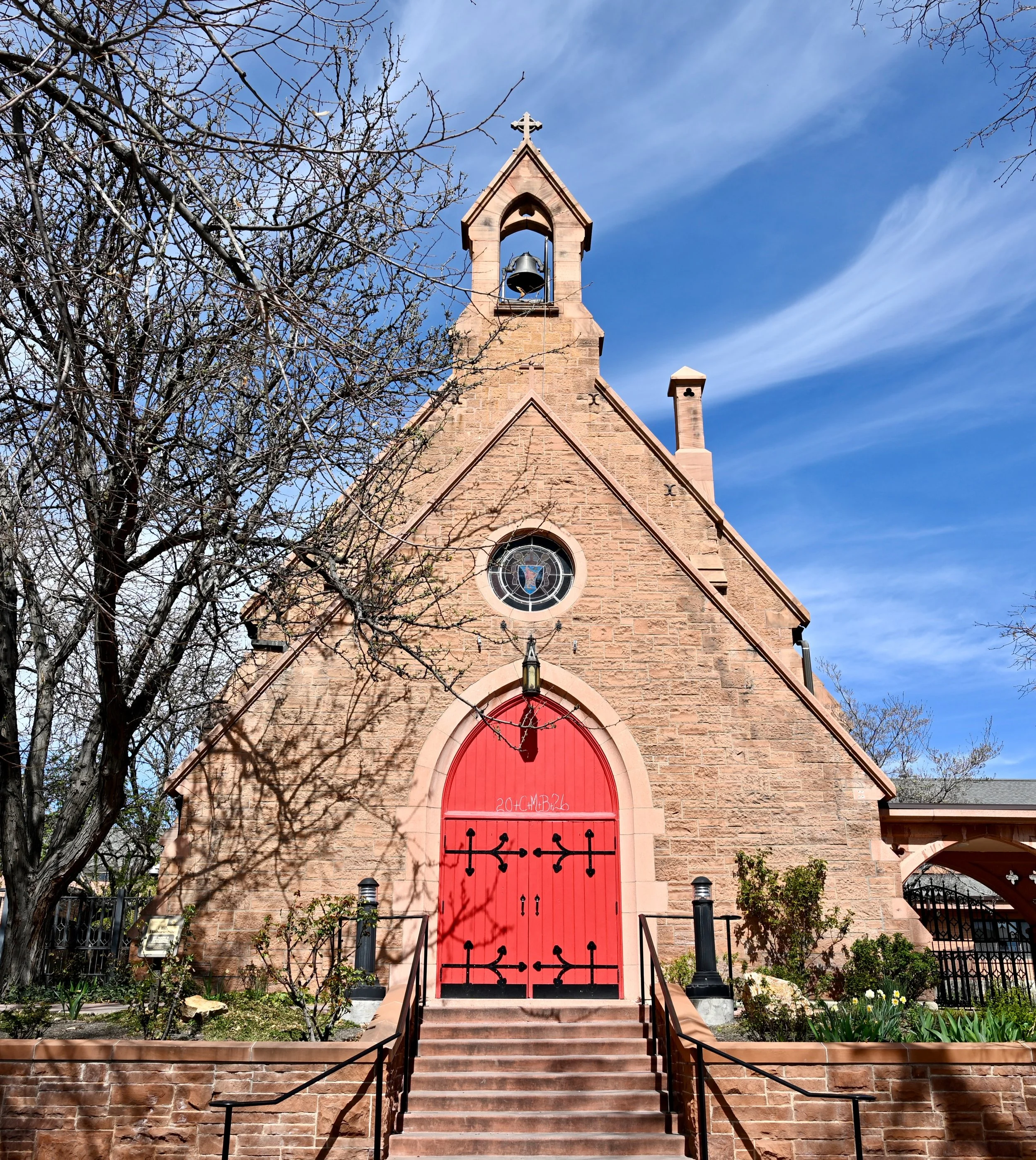
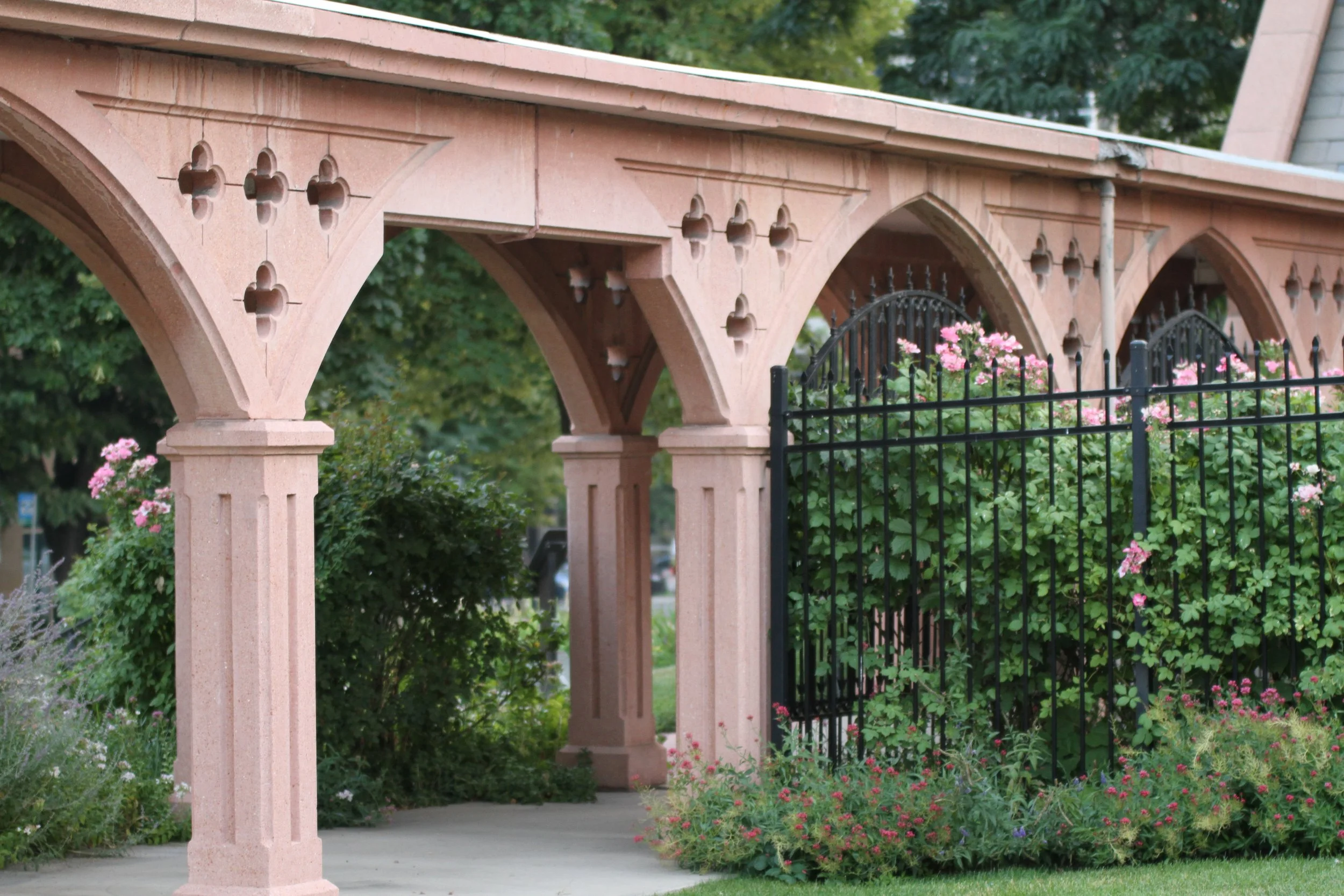
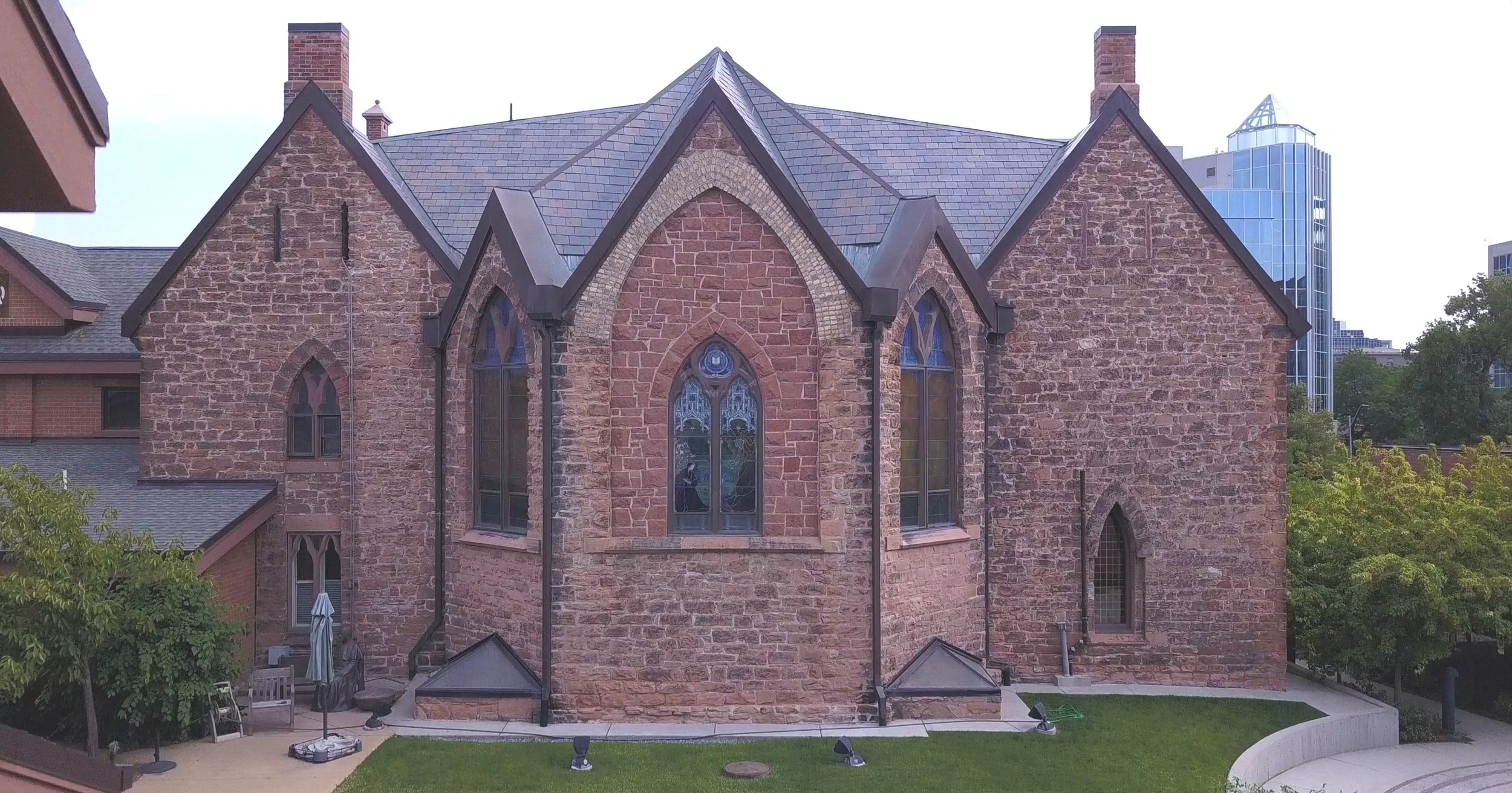
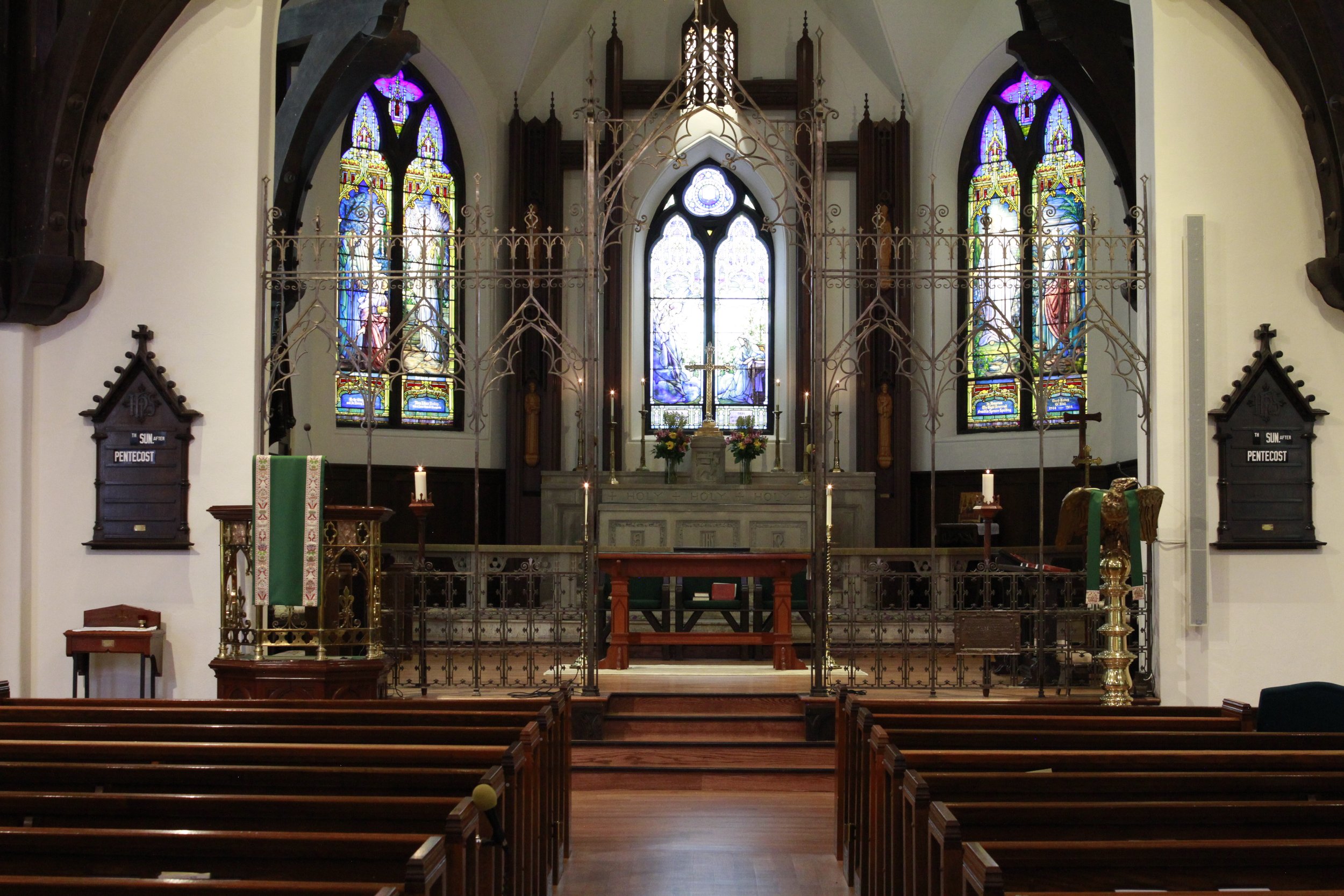
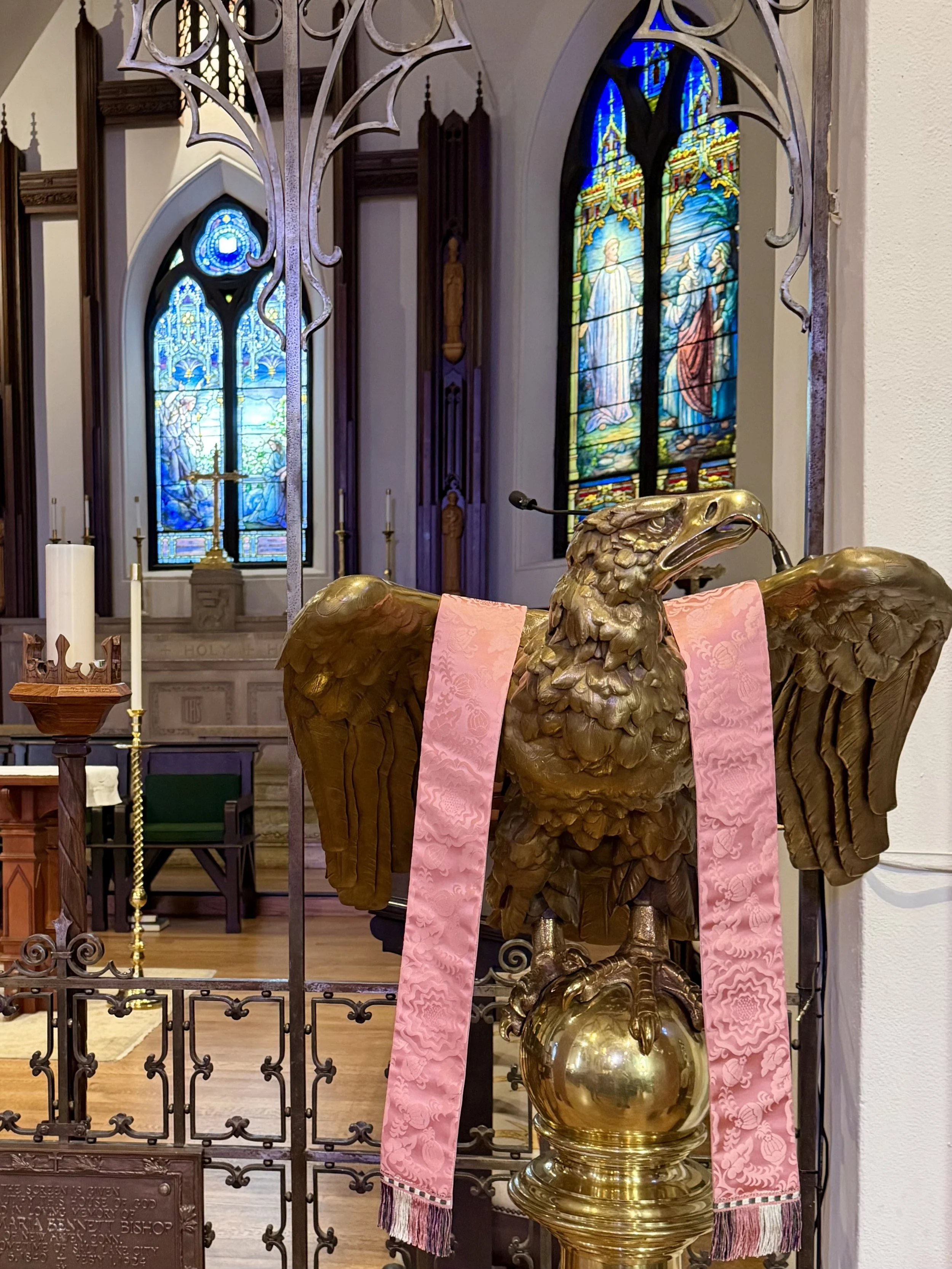
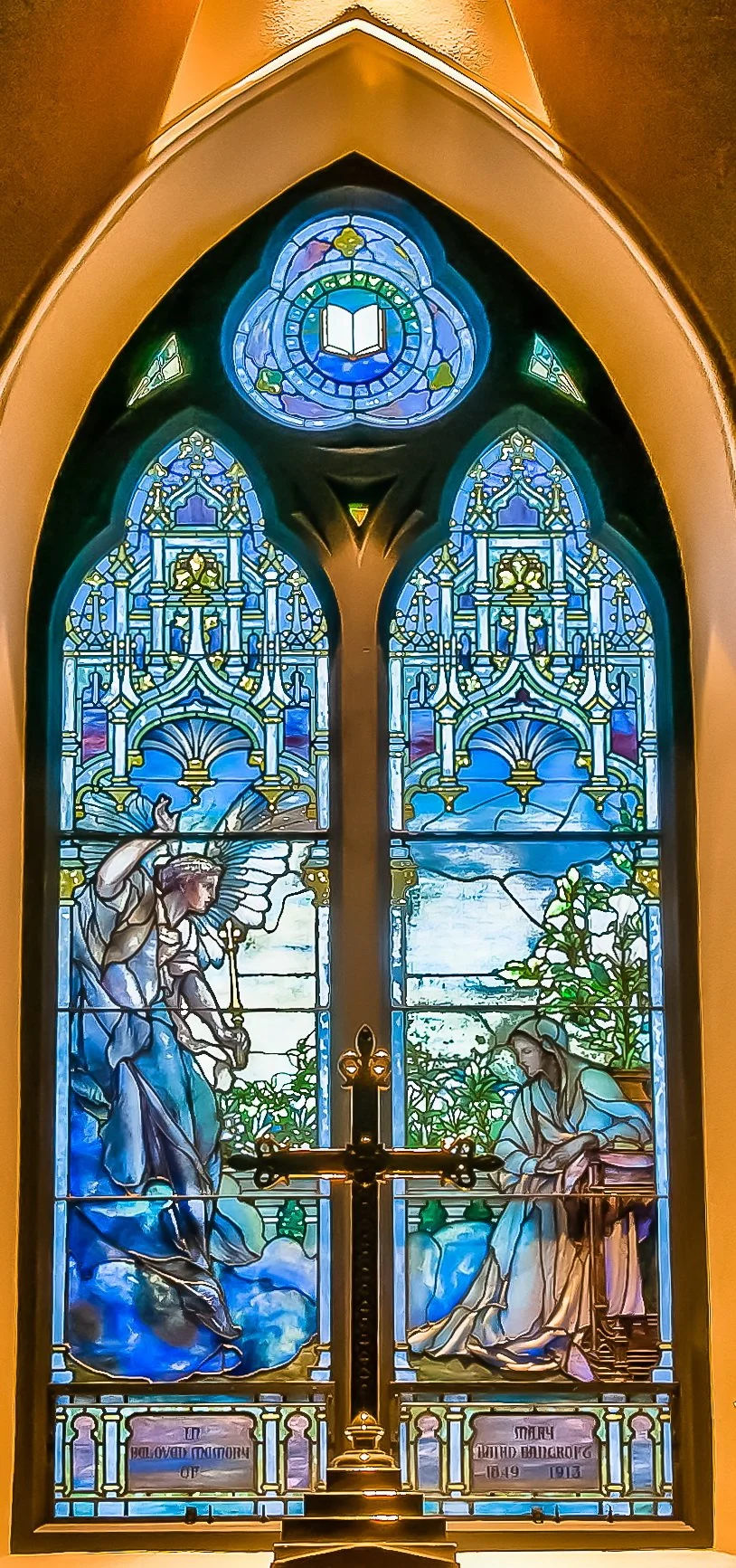
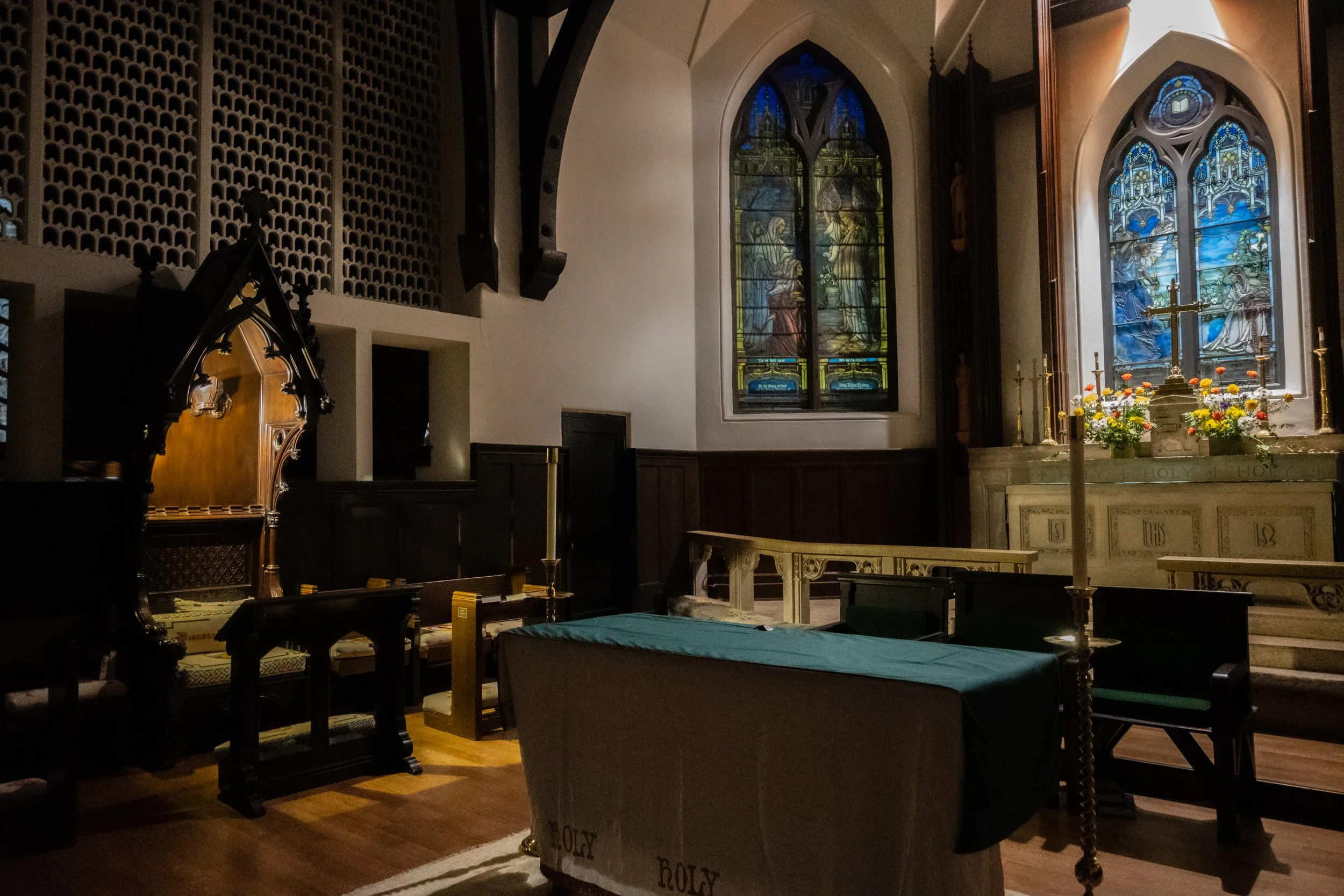
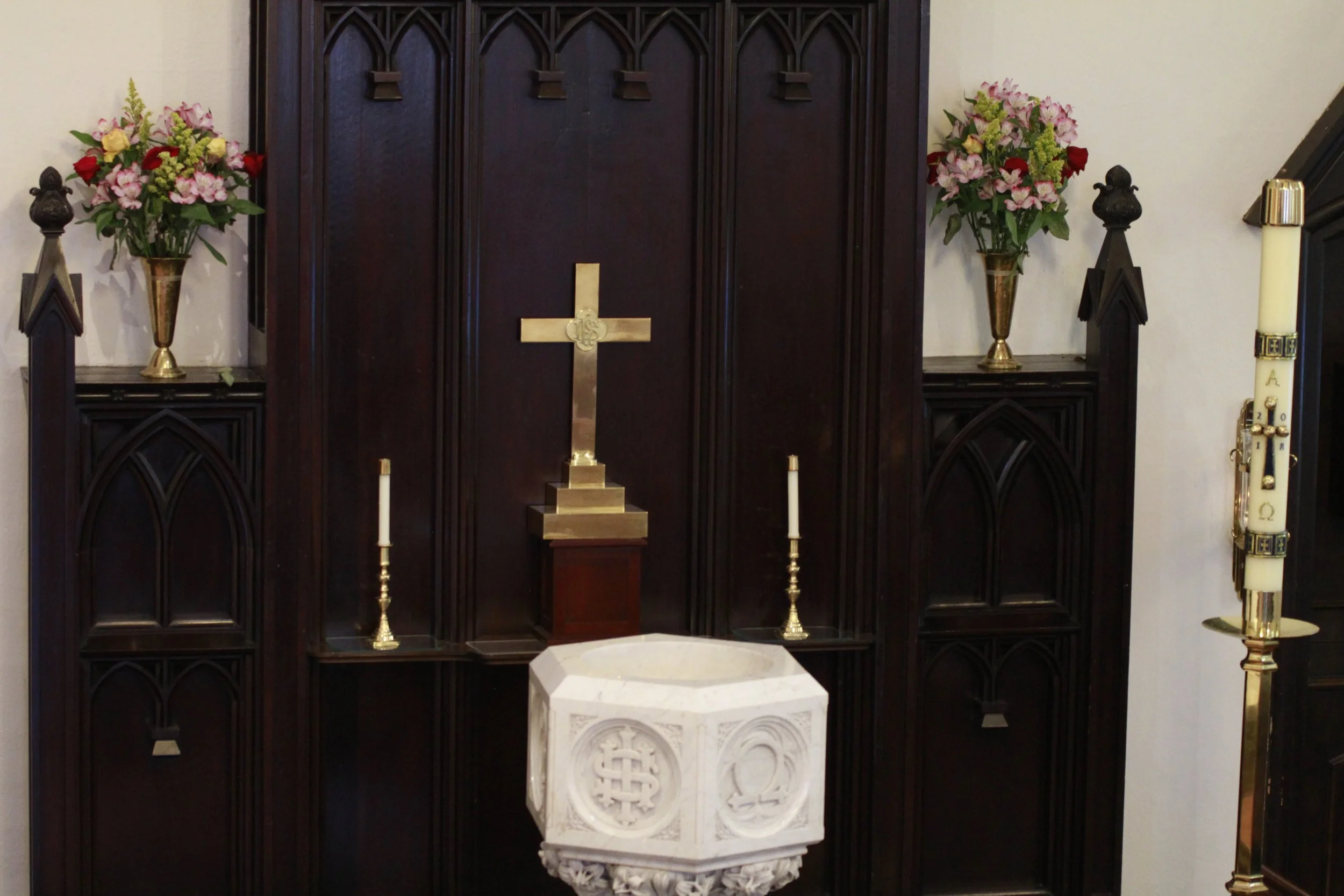
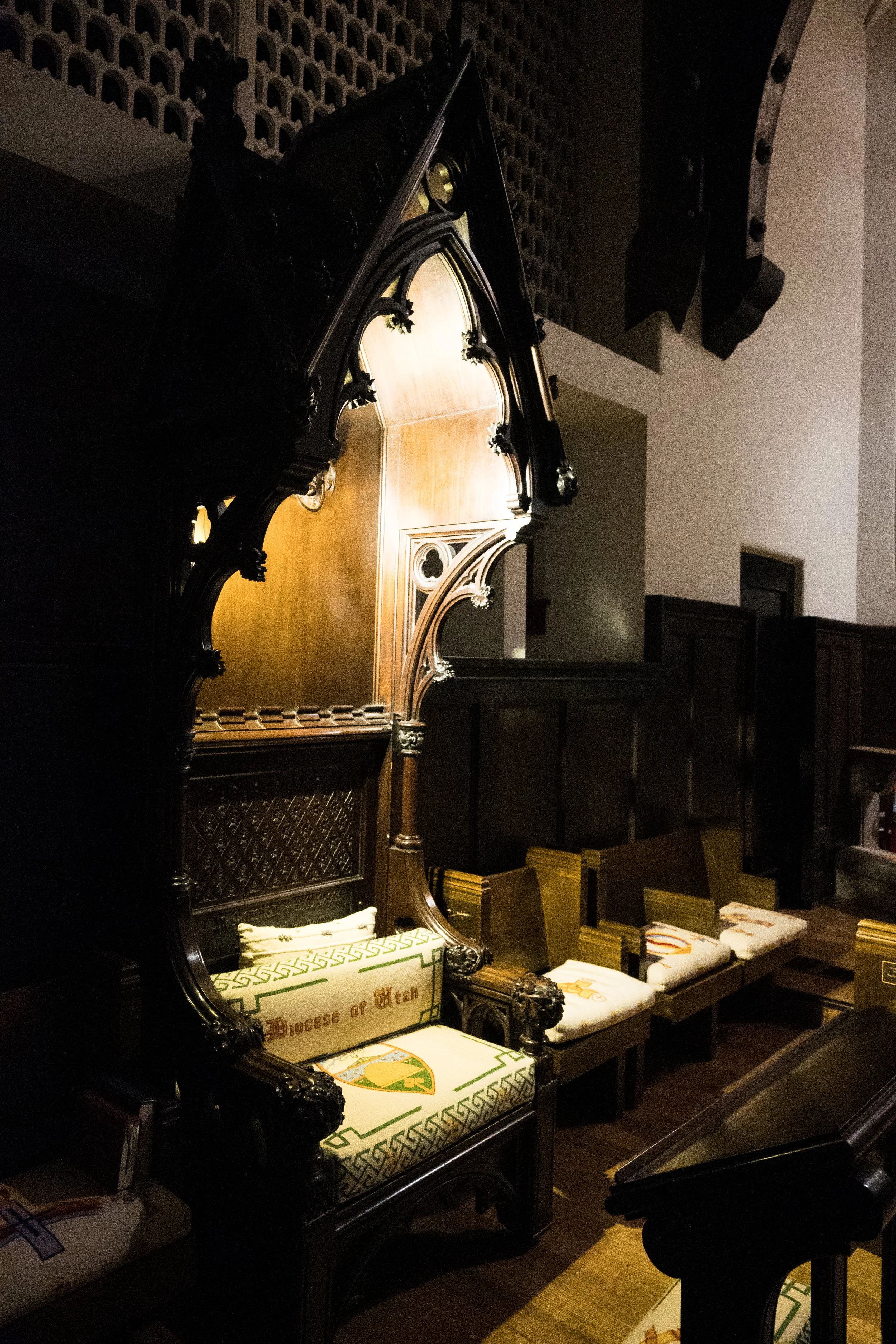
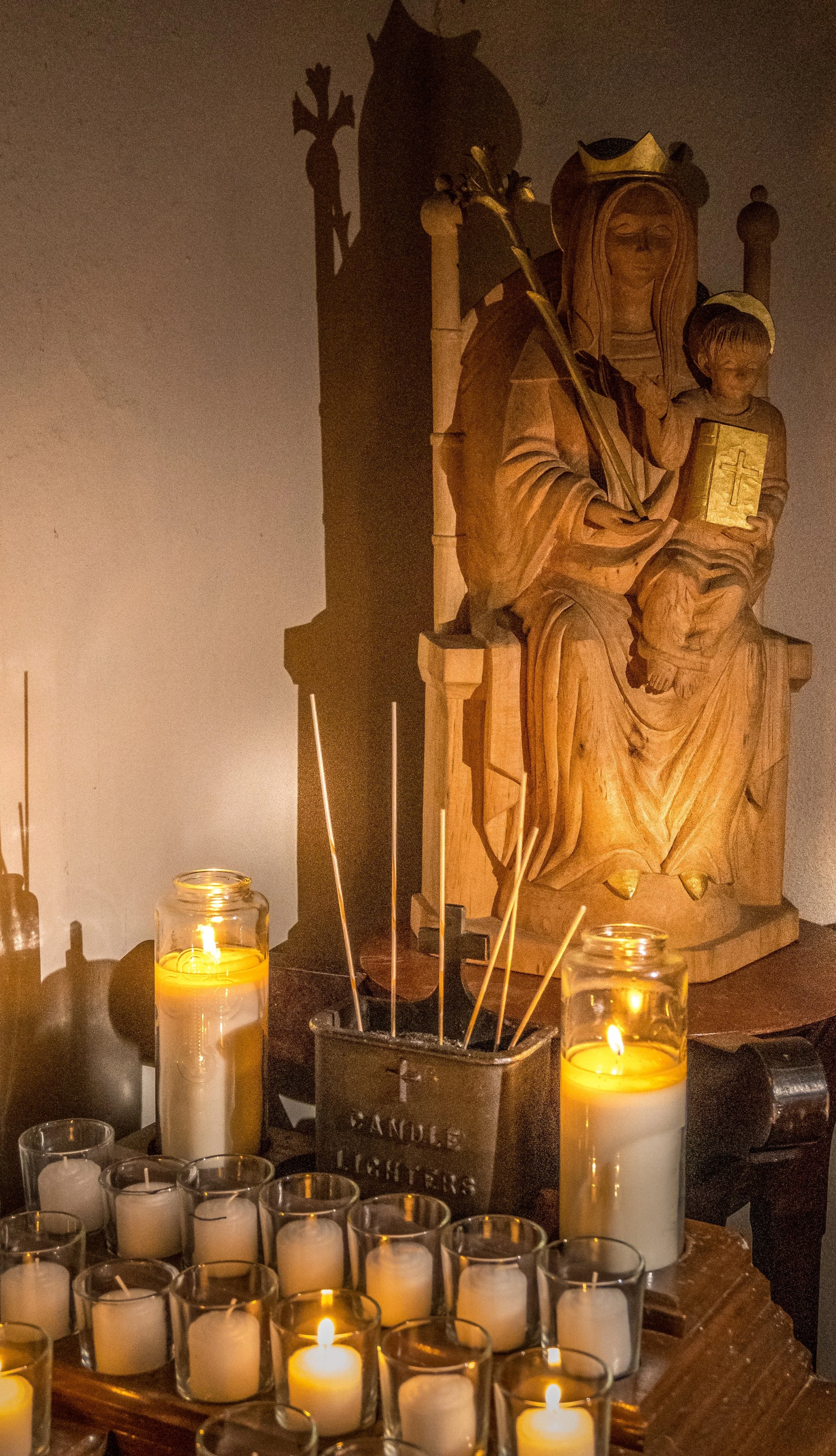
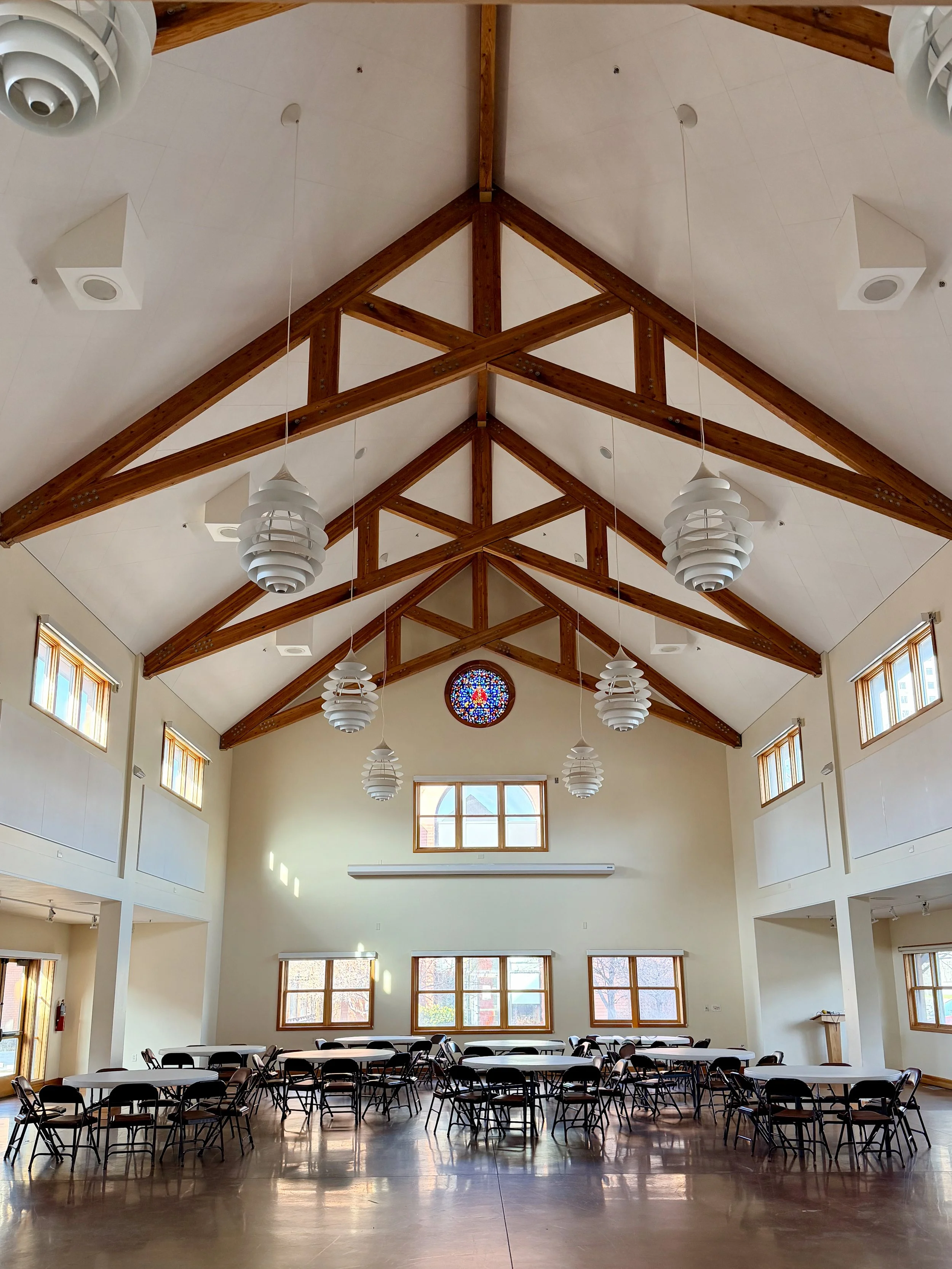
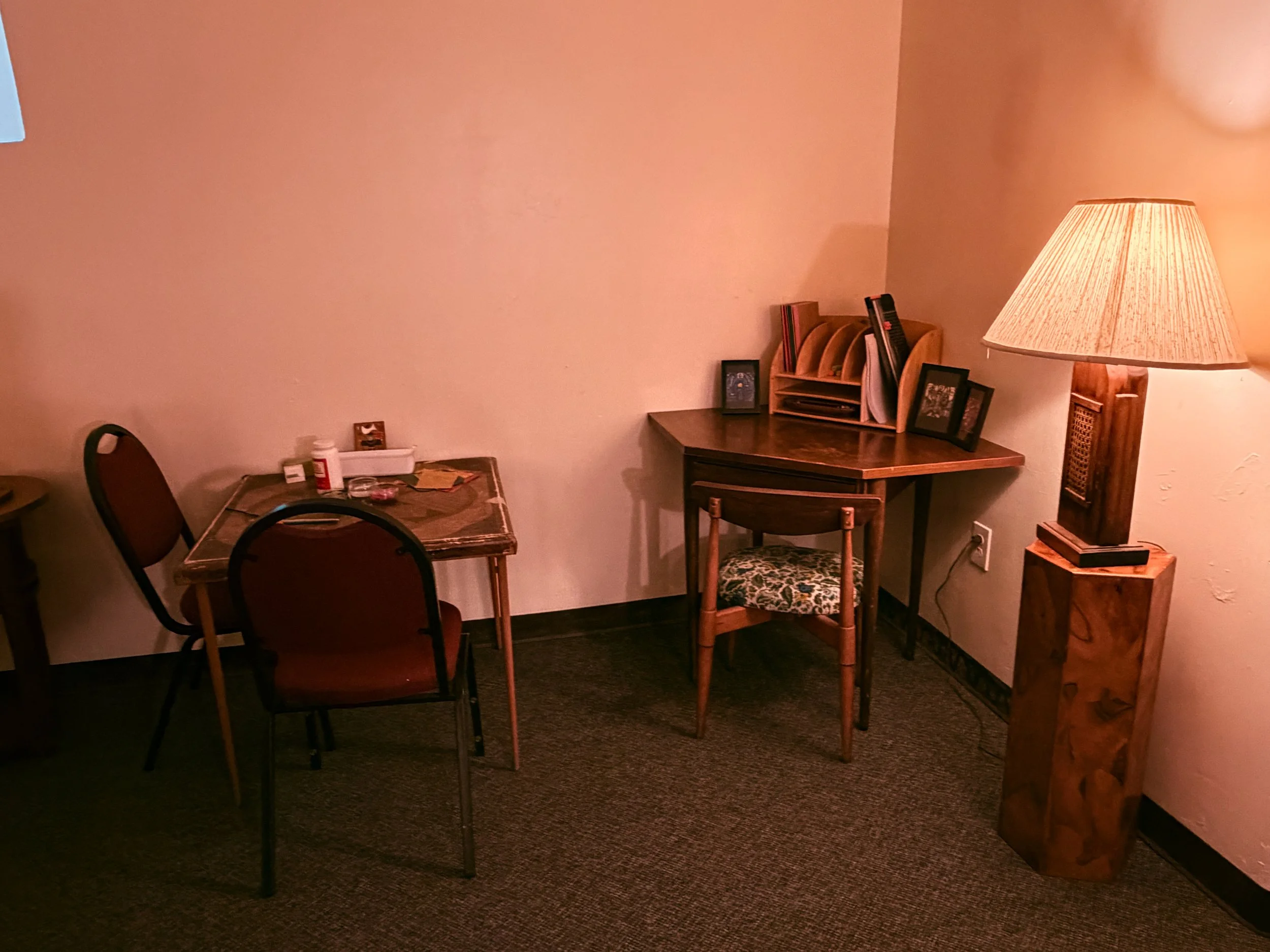
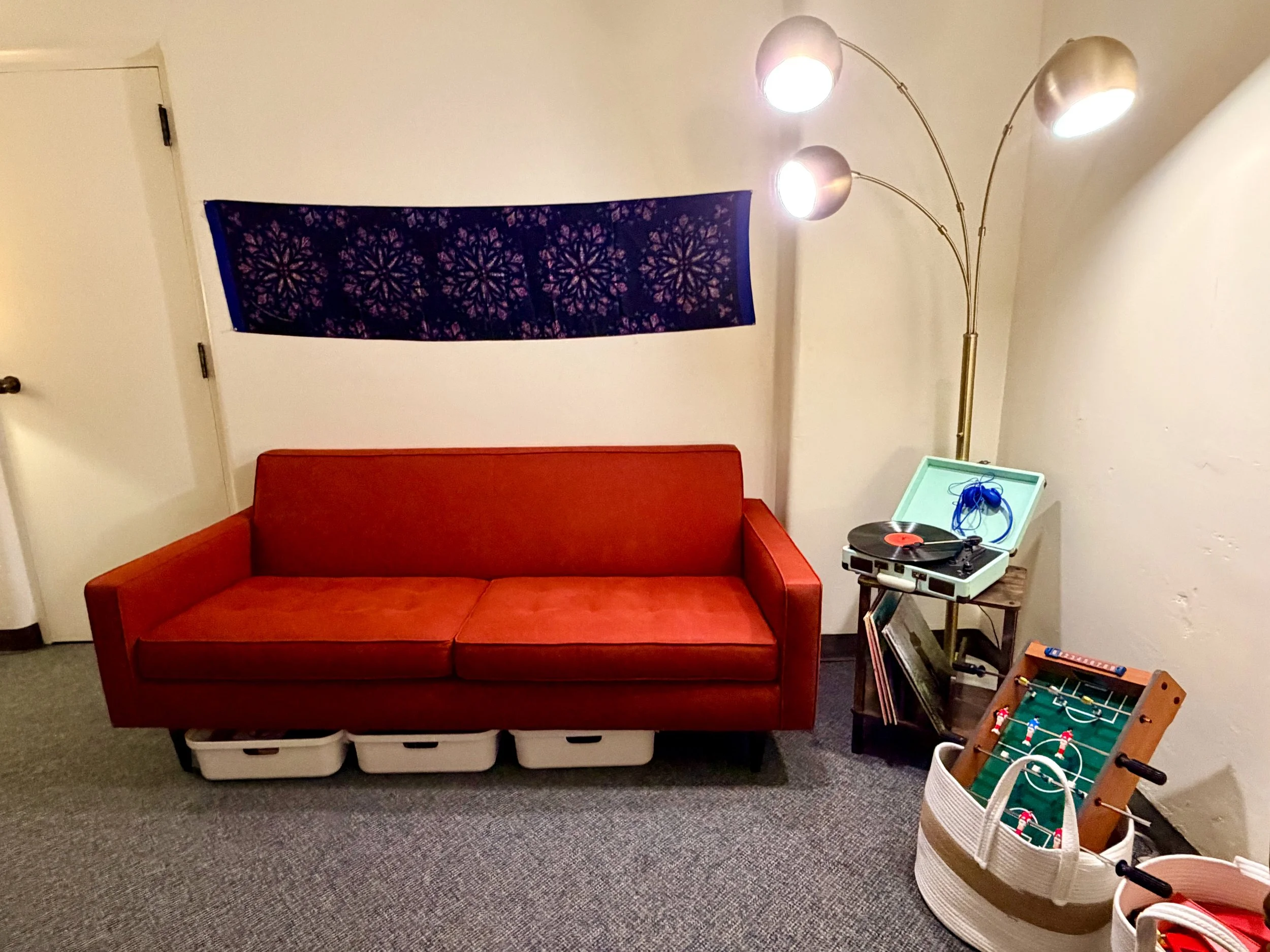
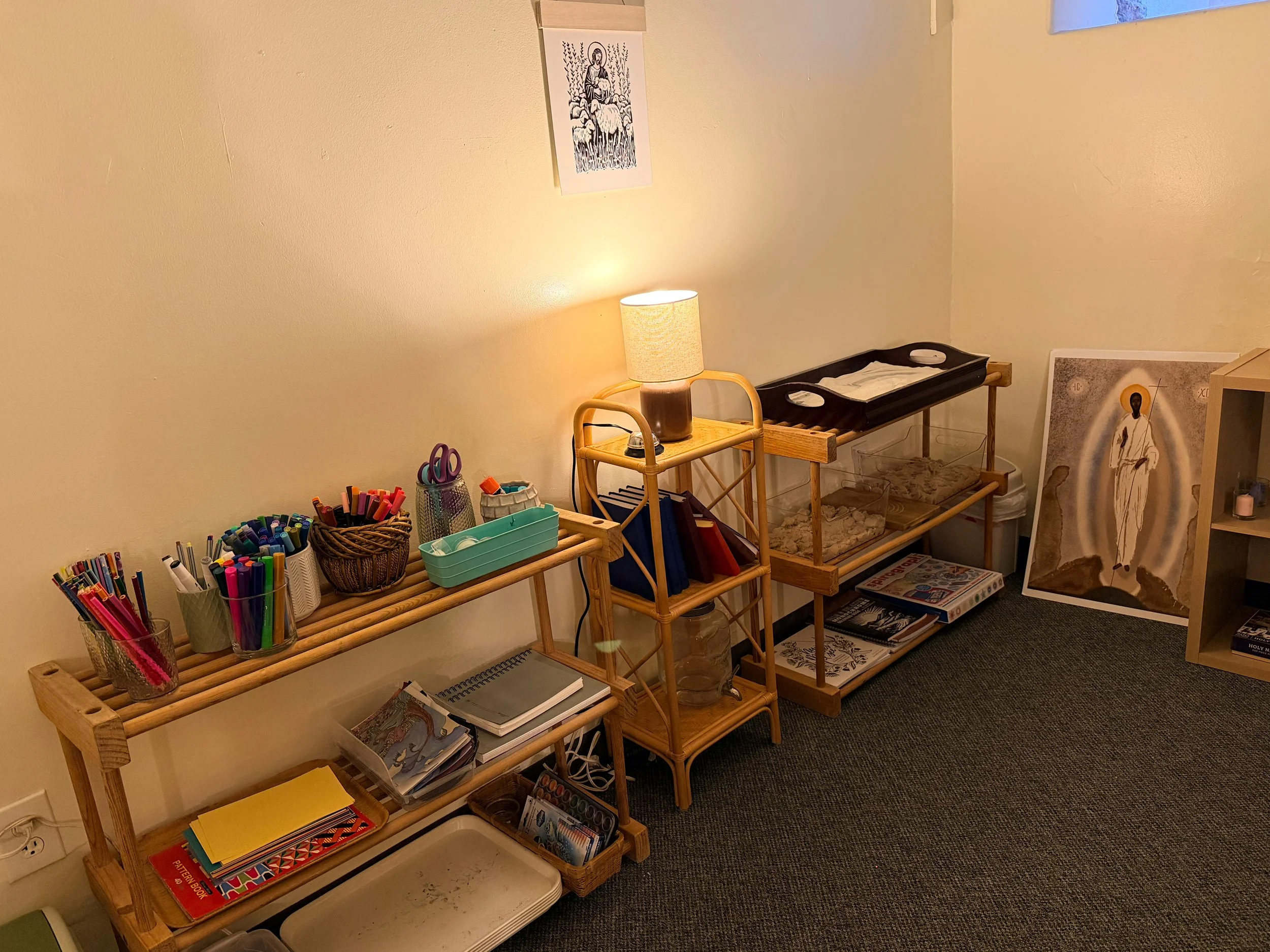
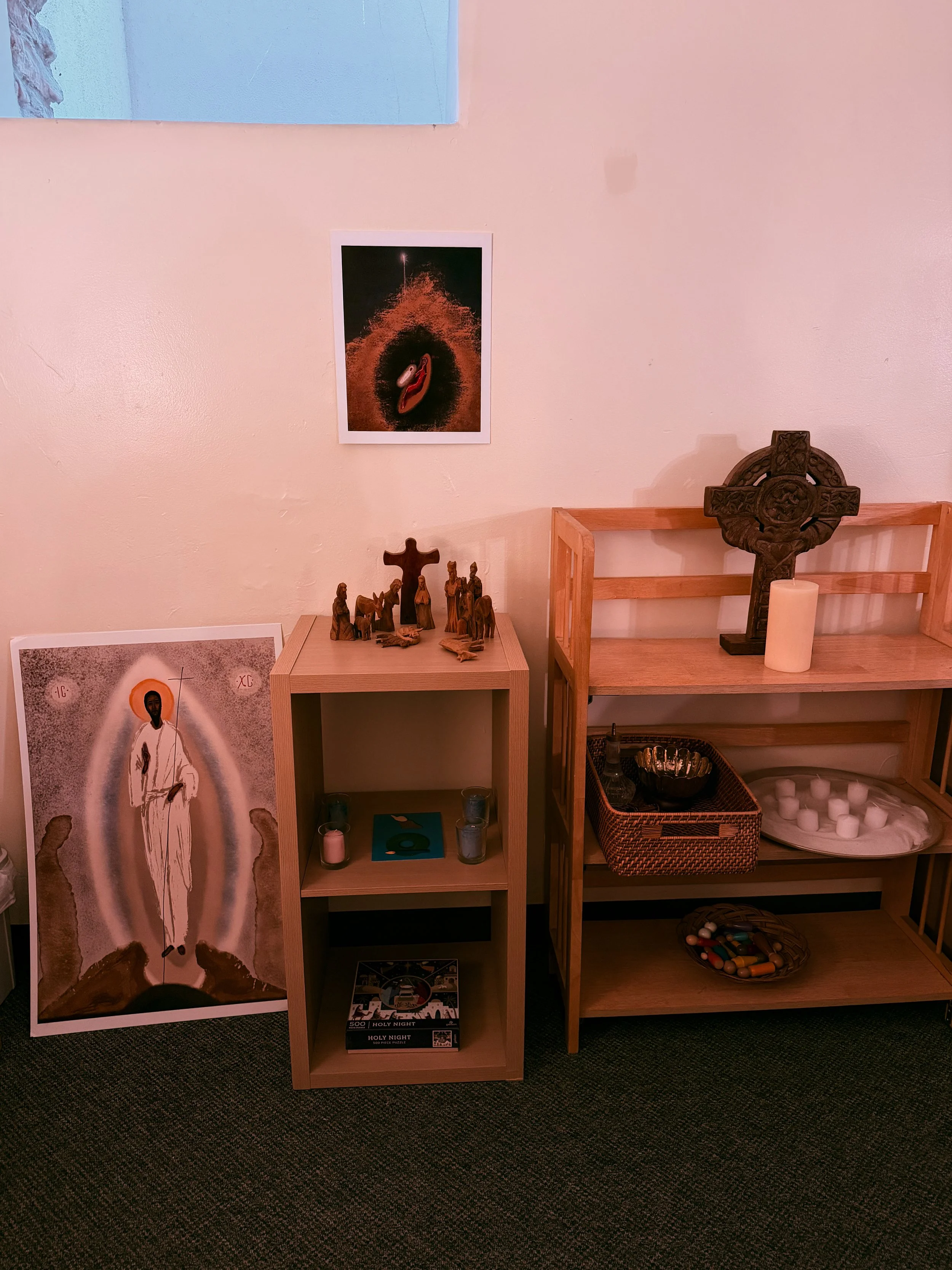
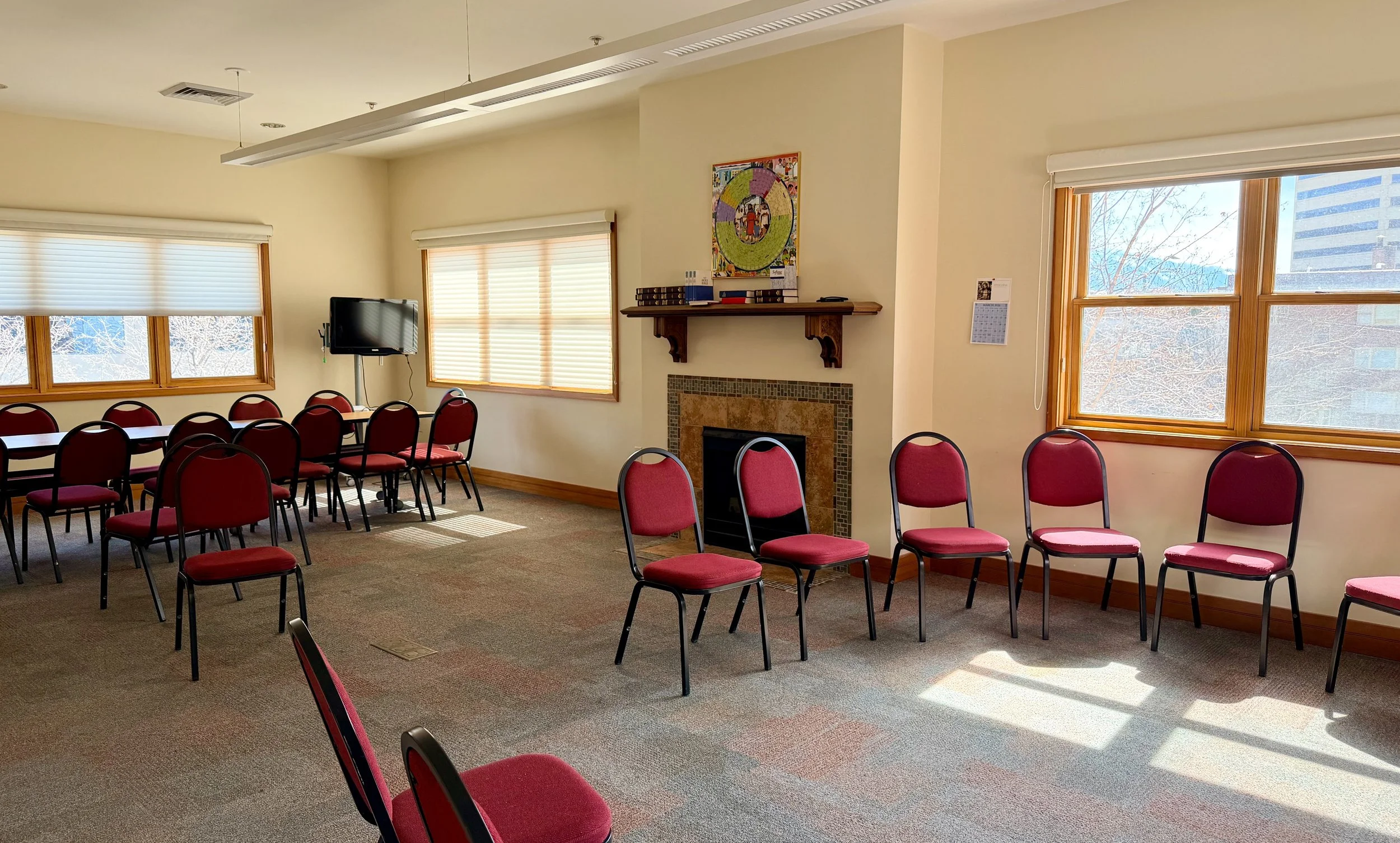
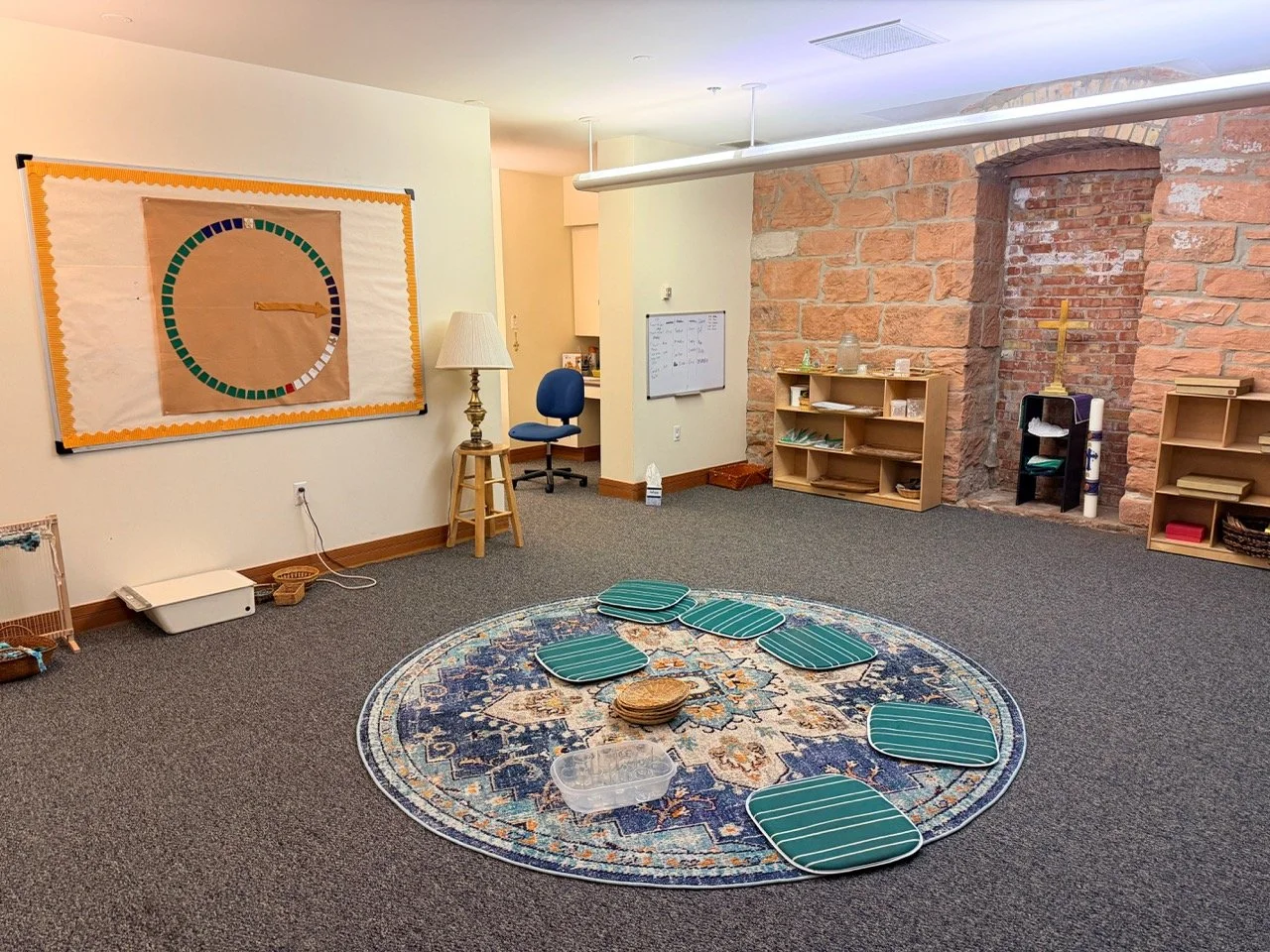
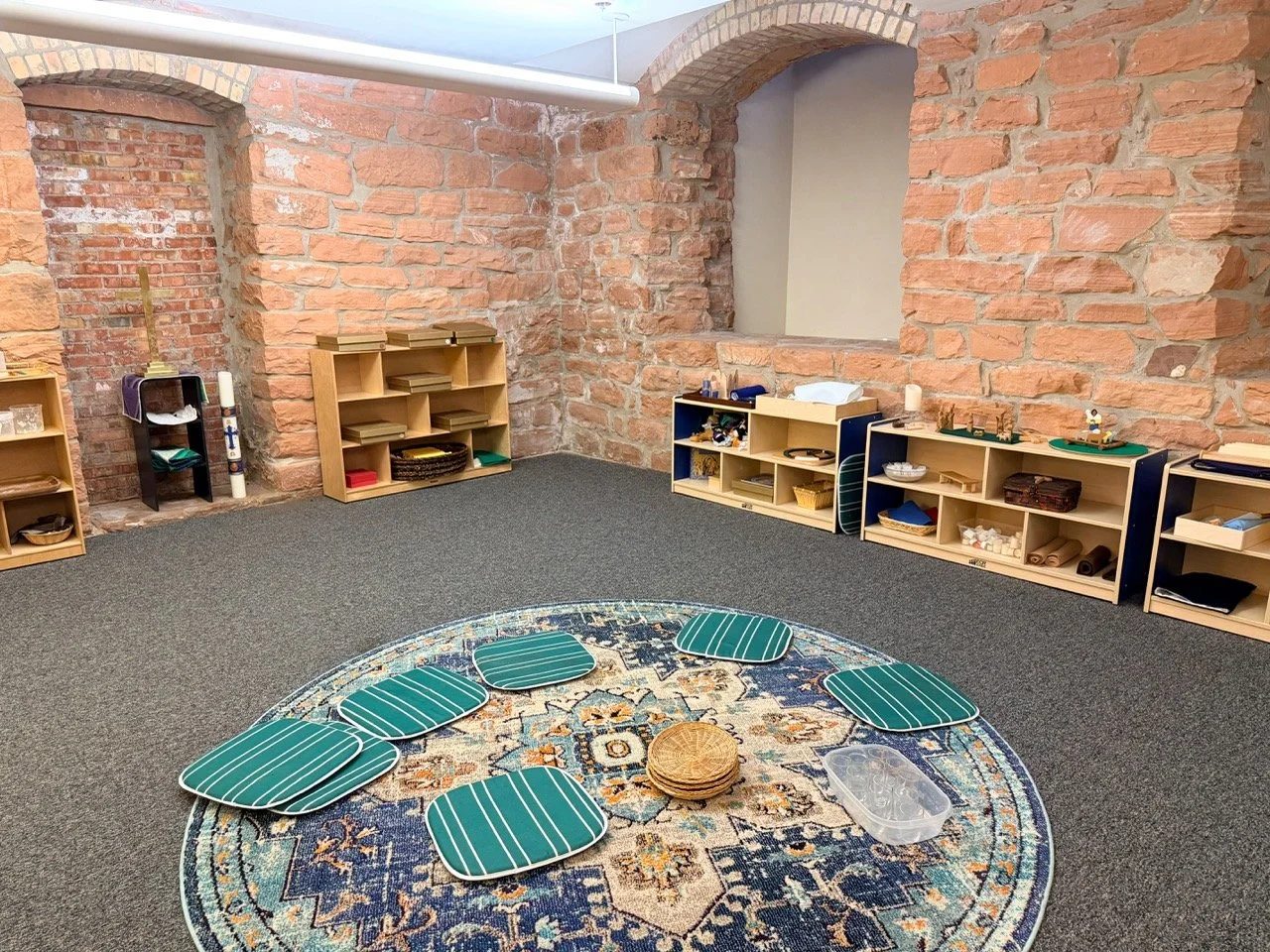
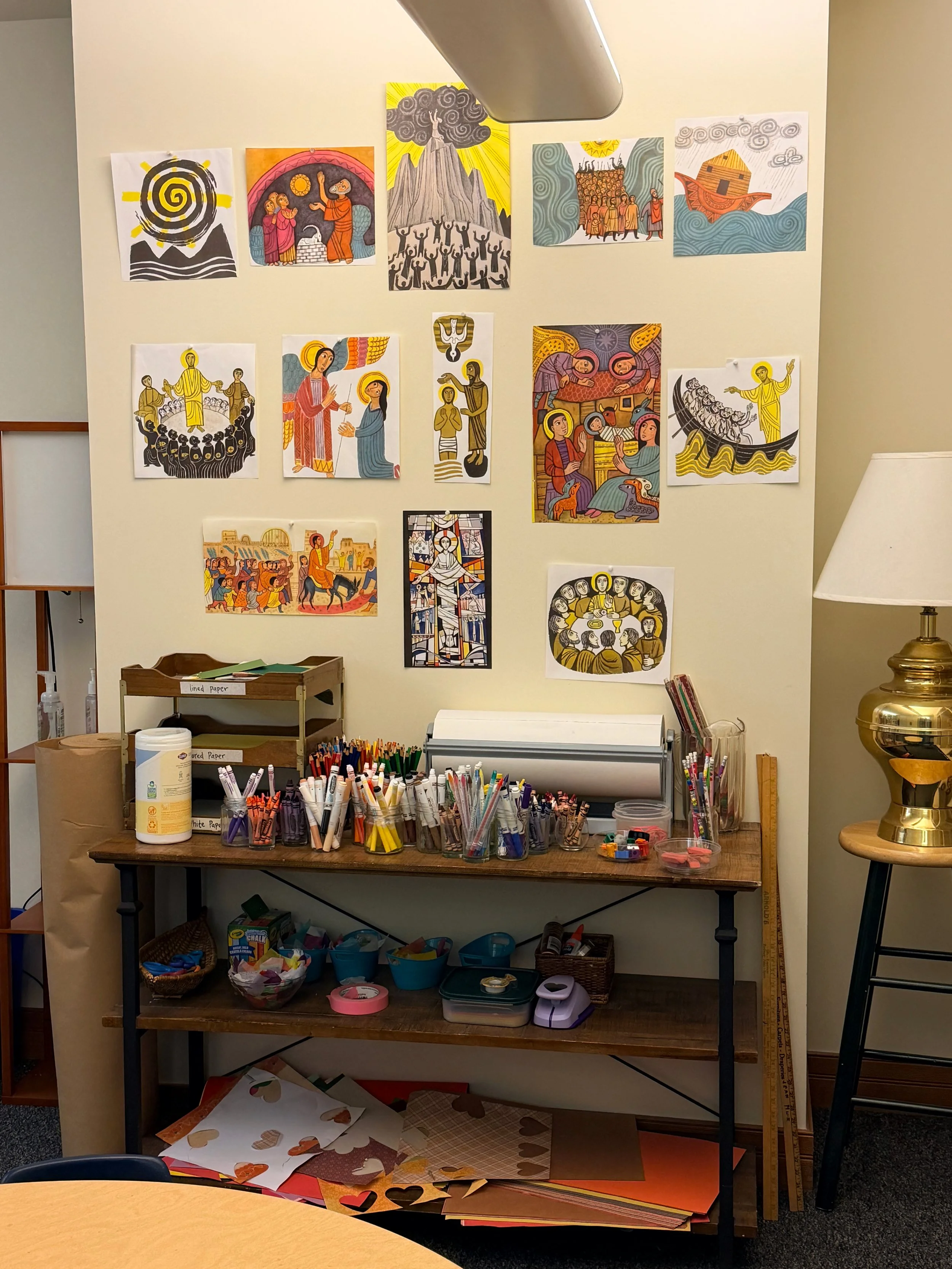
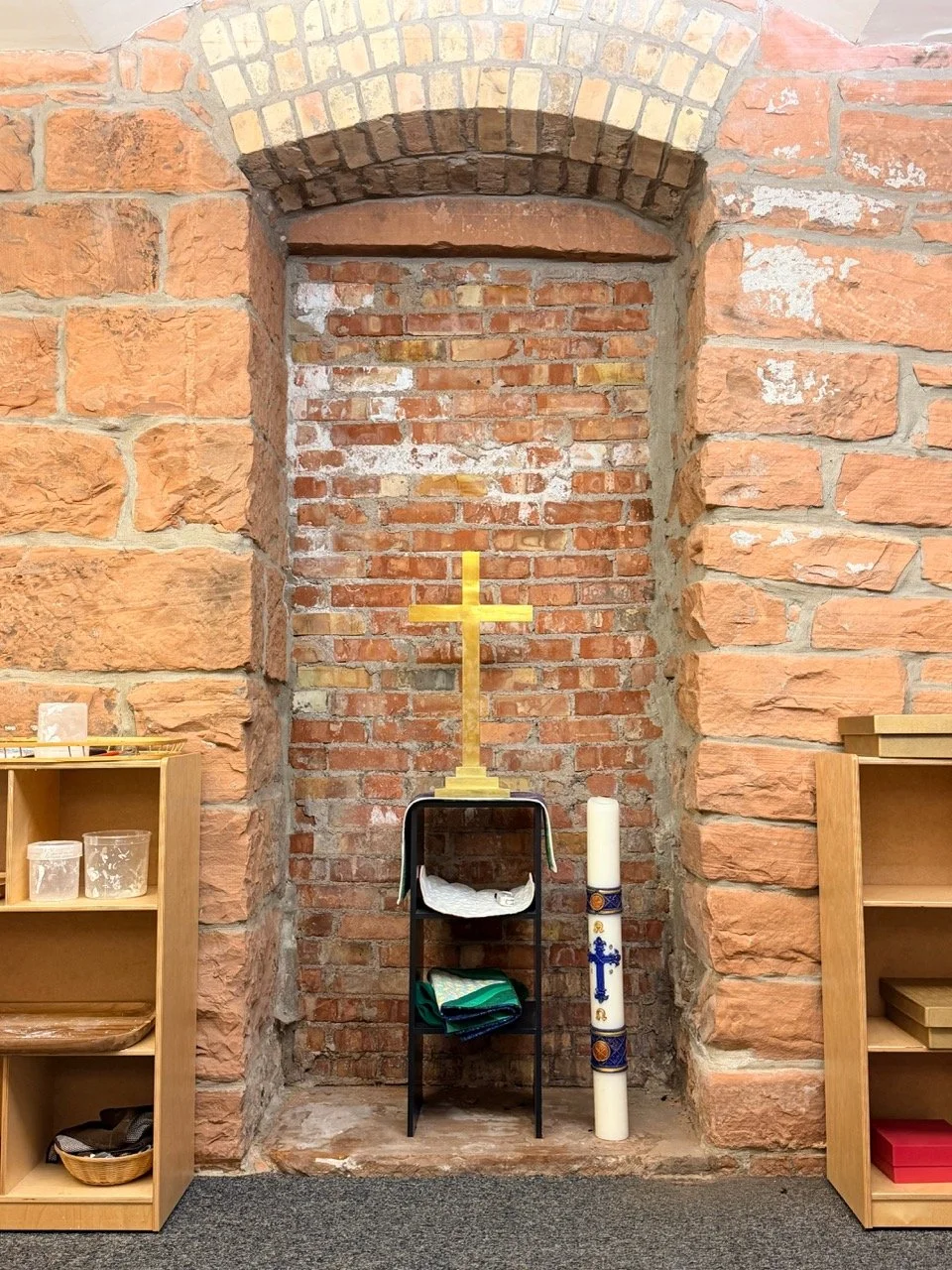
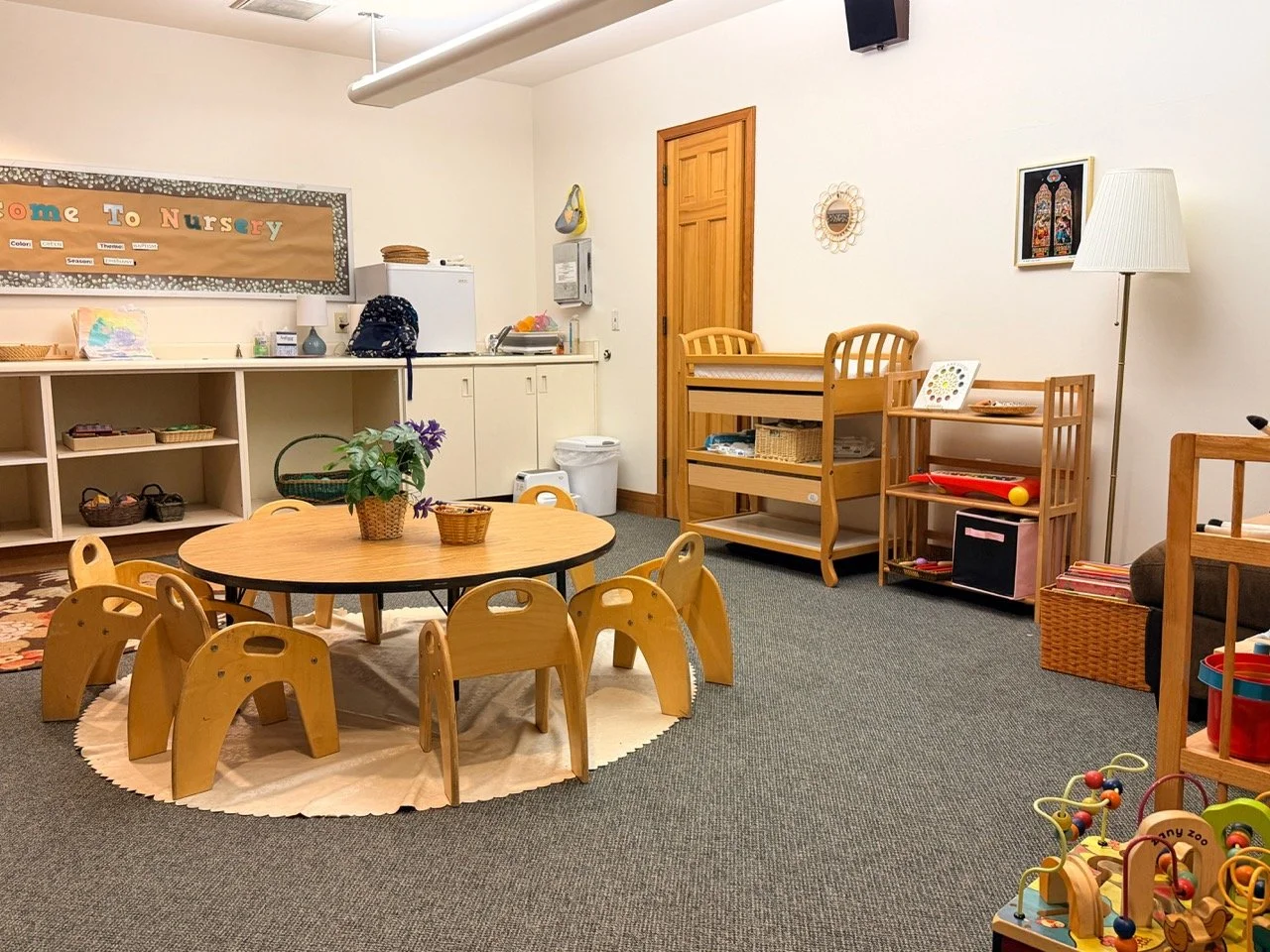
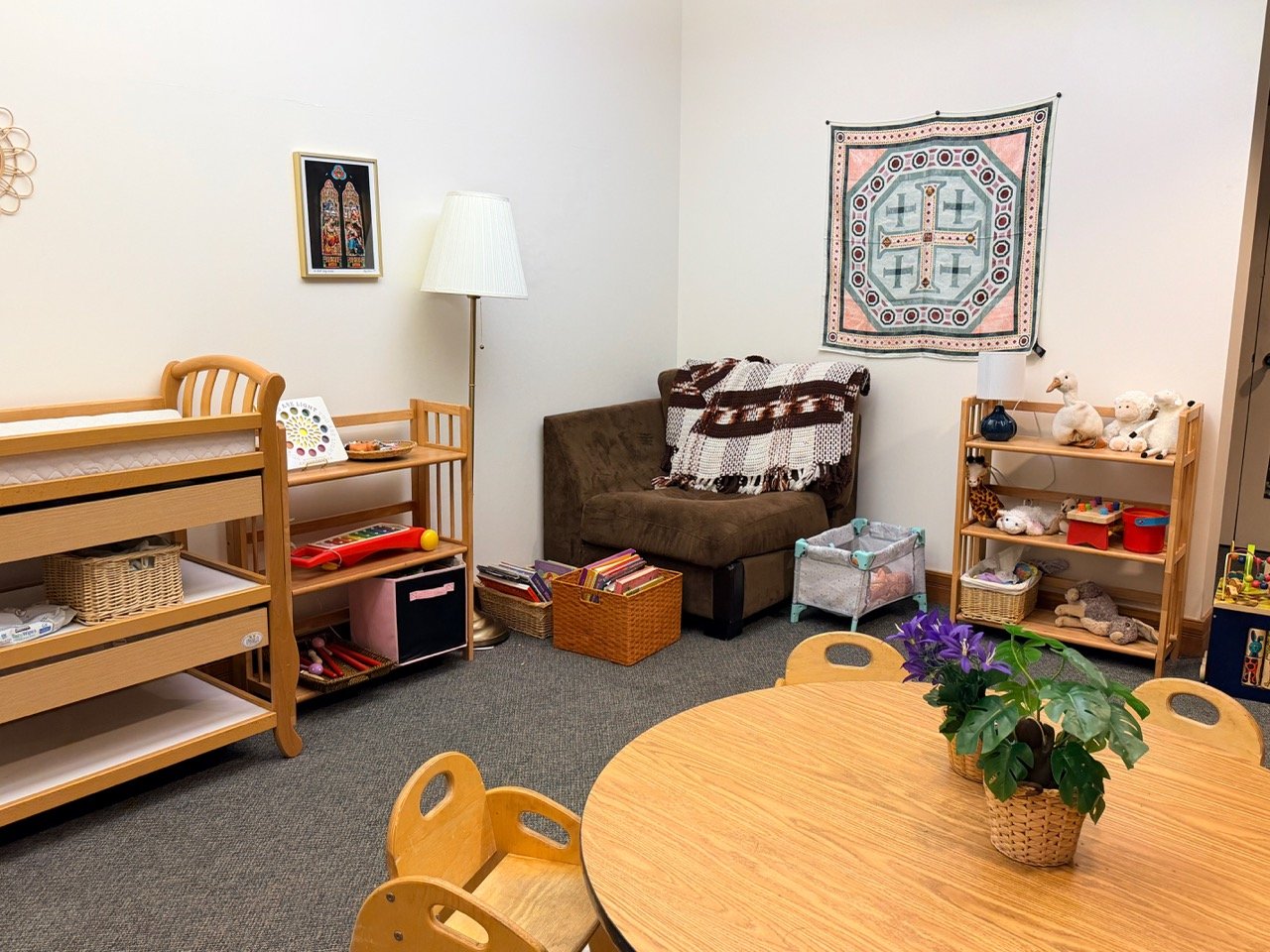
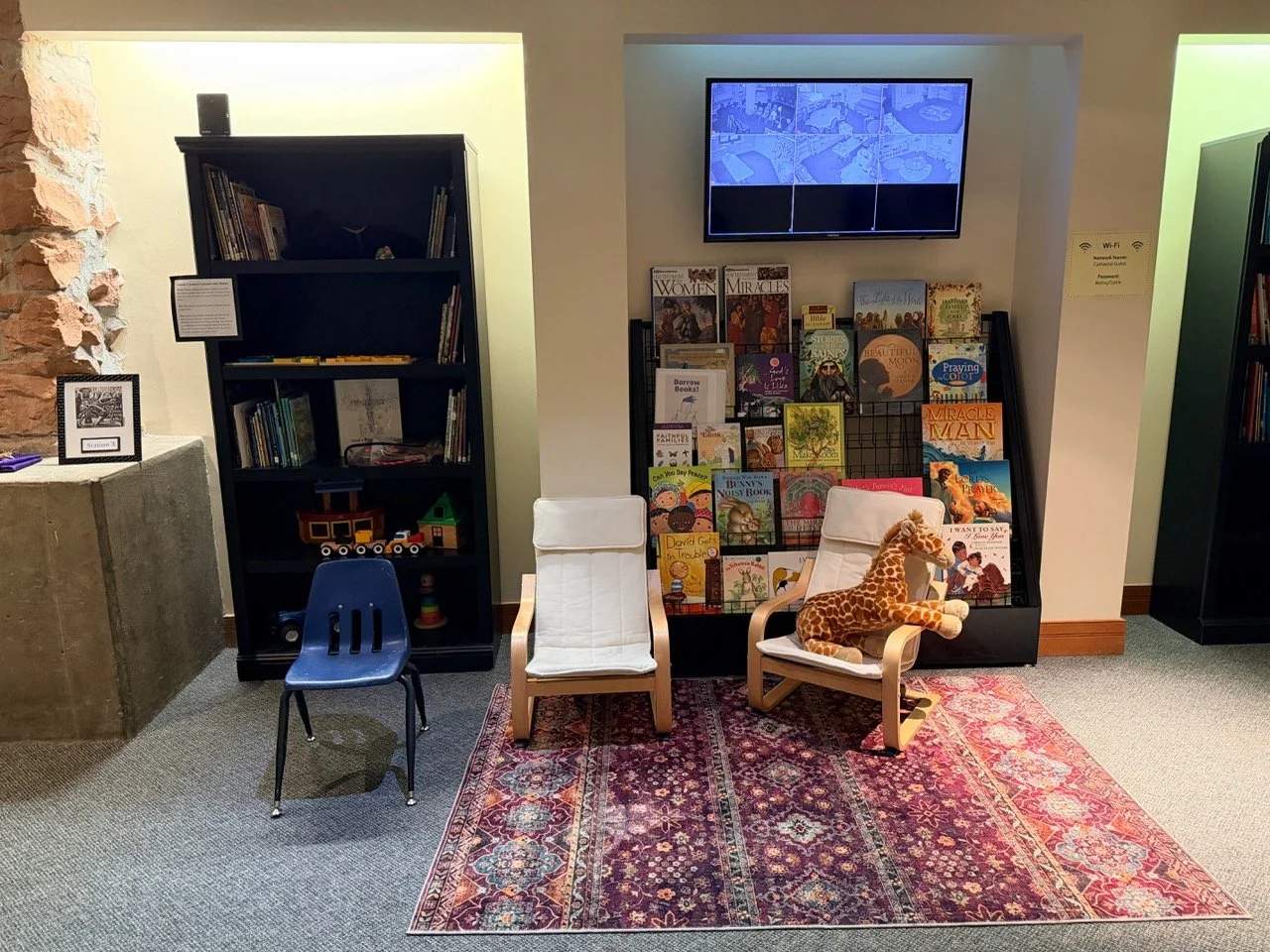
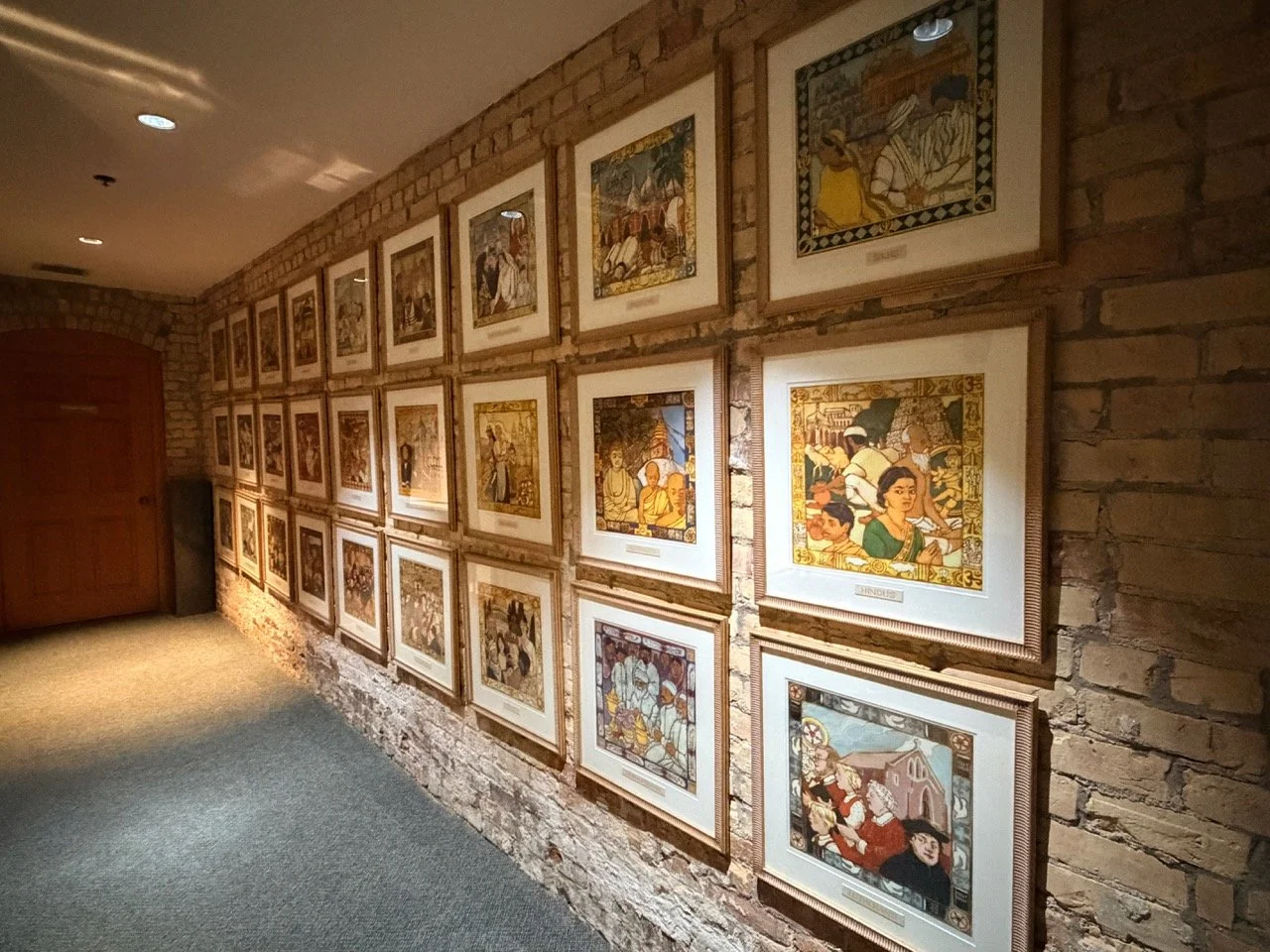
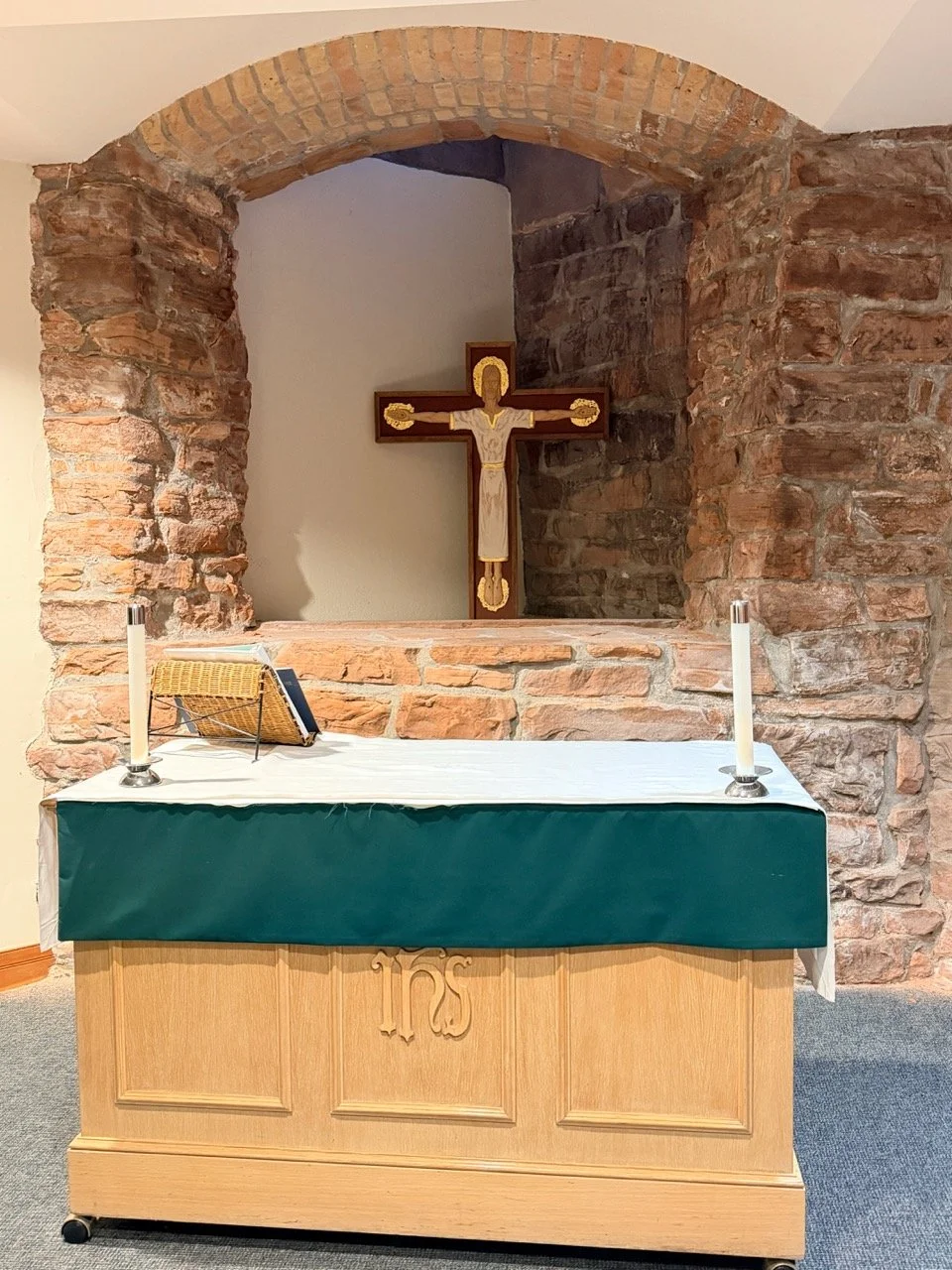
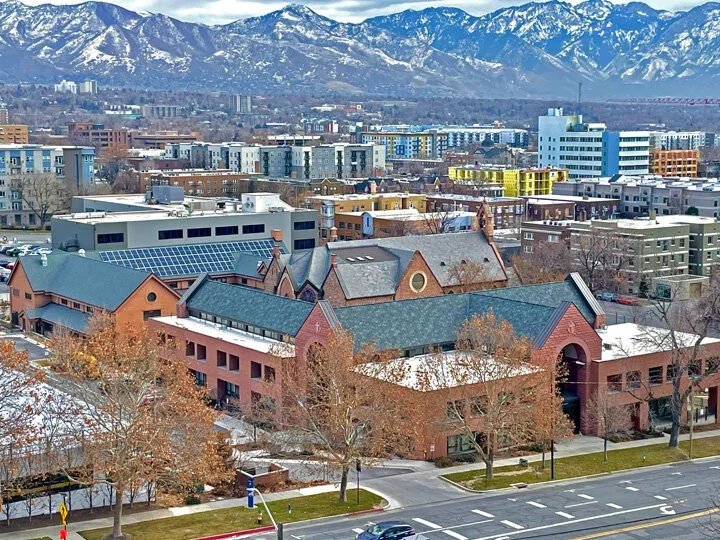
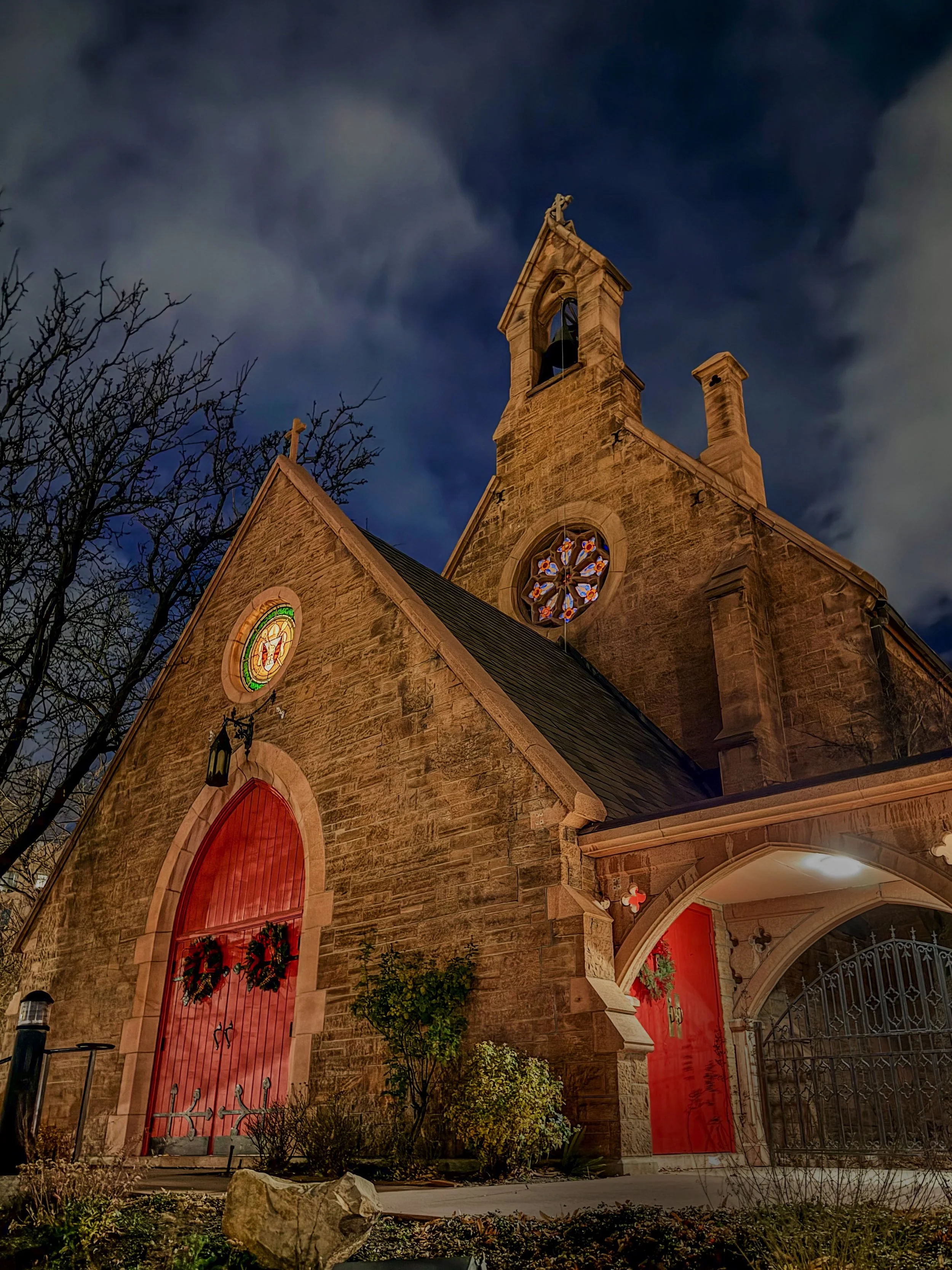
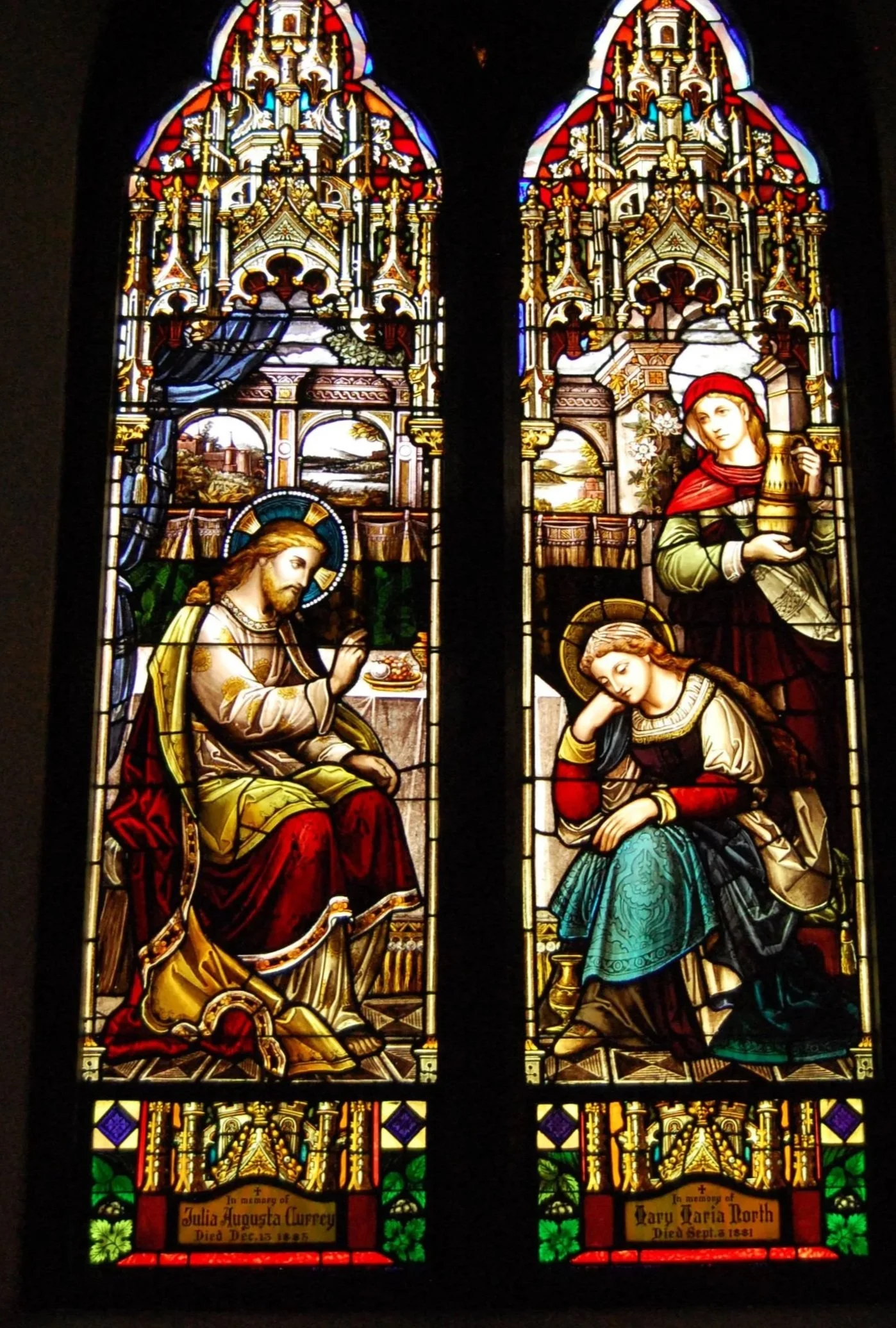
One of the architectural treasures of Salt Lake City, the Cathedral Church of St. Mark is a Gothic Revival building of red sandstone that has served as the spiritual home of the congregation since the 19th century. The sanctuary is especially known for its beautiful stained glass, with several Tiffany windows, including a depiction of the Annunciation as the centerpiece above the high altar. A historic pipe organ and exceptional acoustics make the space a sought-after venue year-round for concerts and community musical events.
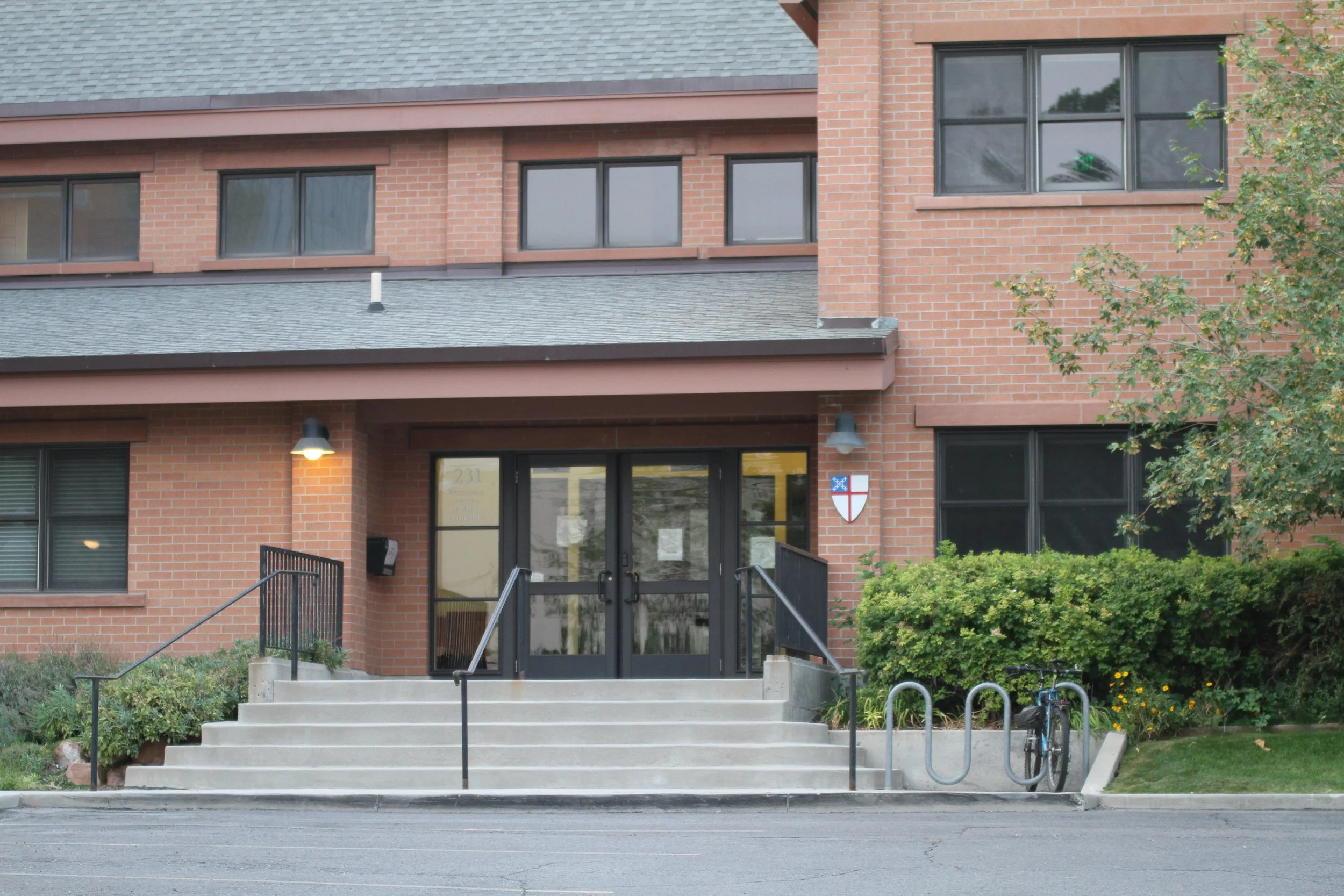
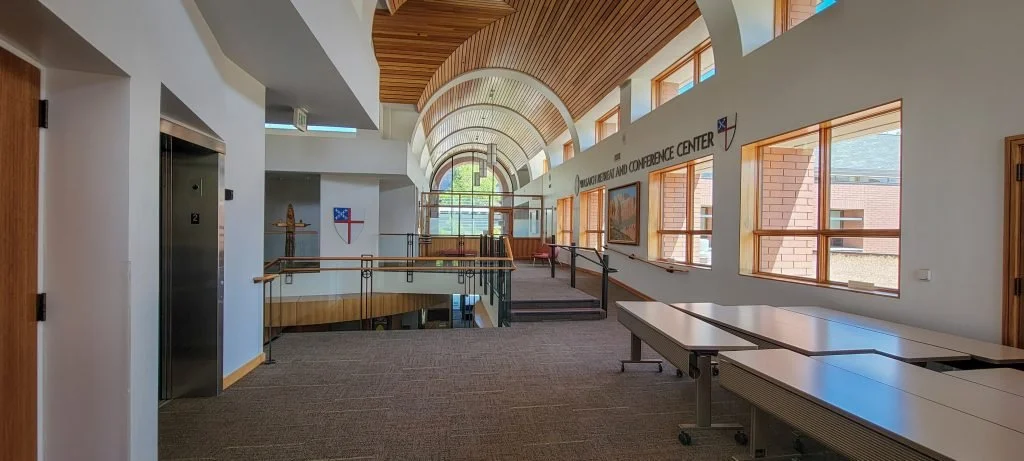
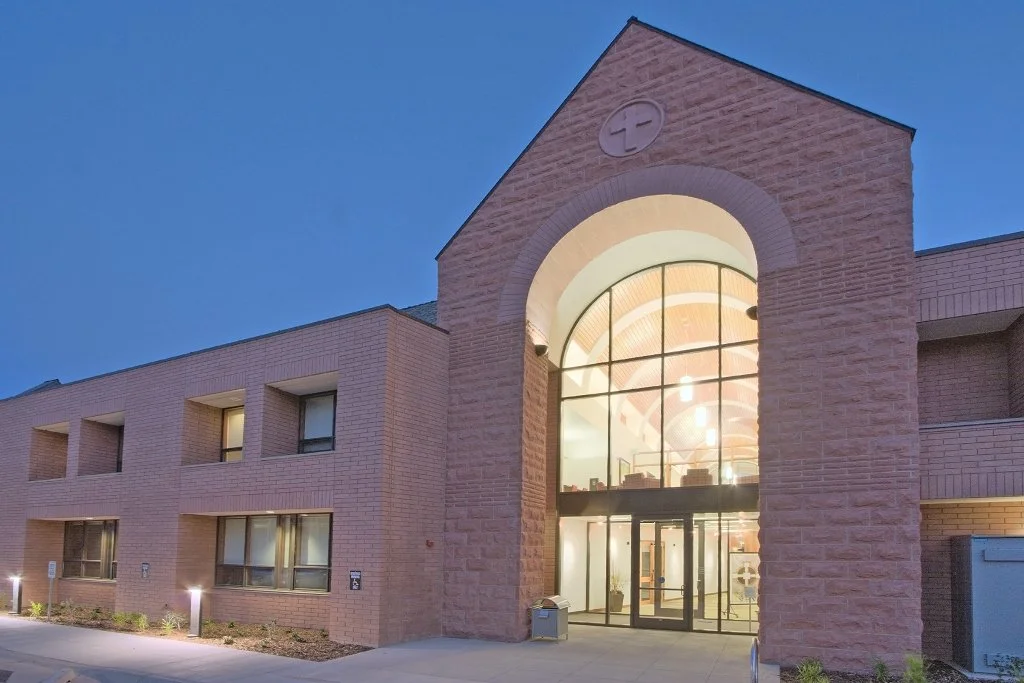
The campus expanded with the opening of the Cathedral Center in 2007, which houses church offices, classrooms, and gathering spaces that support the cathedral’s many ministries. Nearby are the diocesan offices and the Episcopal Retreat and Conference Center, together forming a hub for the life and work of the Diocese of Utah. The Cathedral Center facility has always been larger than the cathedral’s practical needs, and many rooms and offices have historically sat empty. In 2019, mindful of our responsibility to be good stewards of the space entrusted to us, the Cathedral began leasing portions of the Cathedral Center as office space to local businesses. We also regularly welcome community groups such as Narcotics Anonymous, Alcoholics Anonymous, and the Interfaith Roundtable to make use of our meeting spaces during the week.
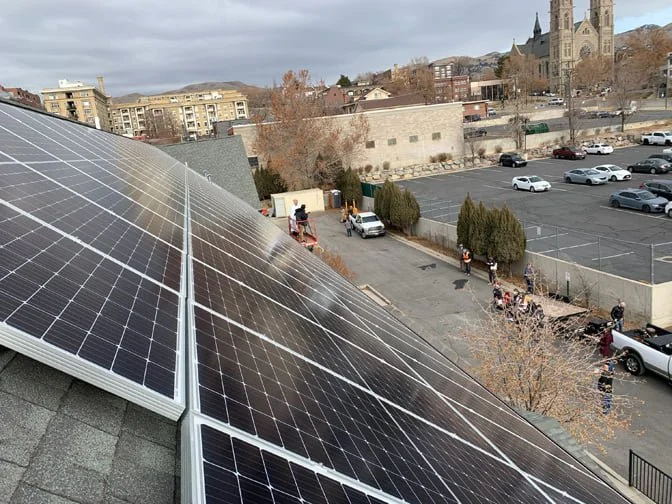
This same spirit of stewardship guides our care for the campus itself. In 2021, rooftop solar panels were installed in partnership with Rocky Mountain Power, allowing the cathedral to generate a significant portion of its own clean energy. At the same time, as our parish grows, we’ve felt encouraged as underused spaces find new life. One classroom that had gradually become a storage room has recently been reclaimed and restored as a classroom for middle schoolers—an ordinary but joyful turning of the tides.
Like many historic structures, the cathedral facility requires ongoing care and significant resources to maintain. Having endured fires, earthquakes, flooding, and the passage of time, the building presents continual maintenance challenges even as it remains a cherished landmark.
Our History
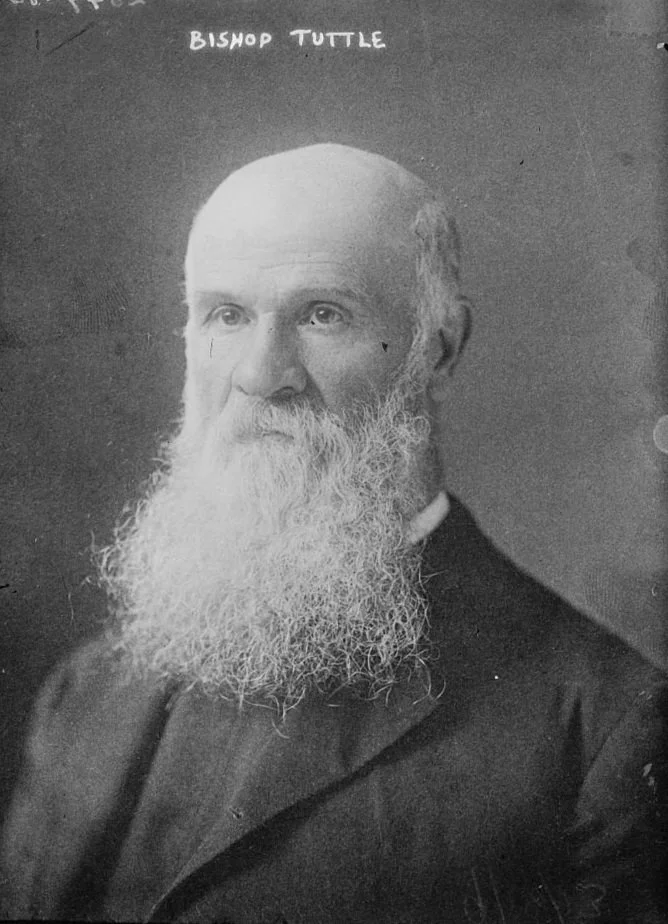
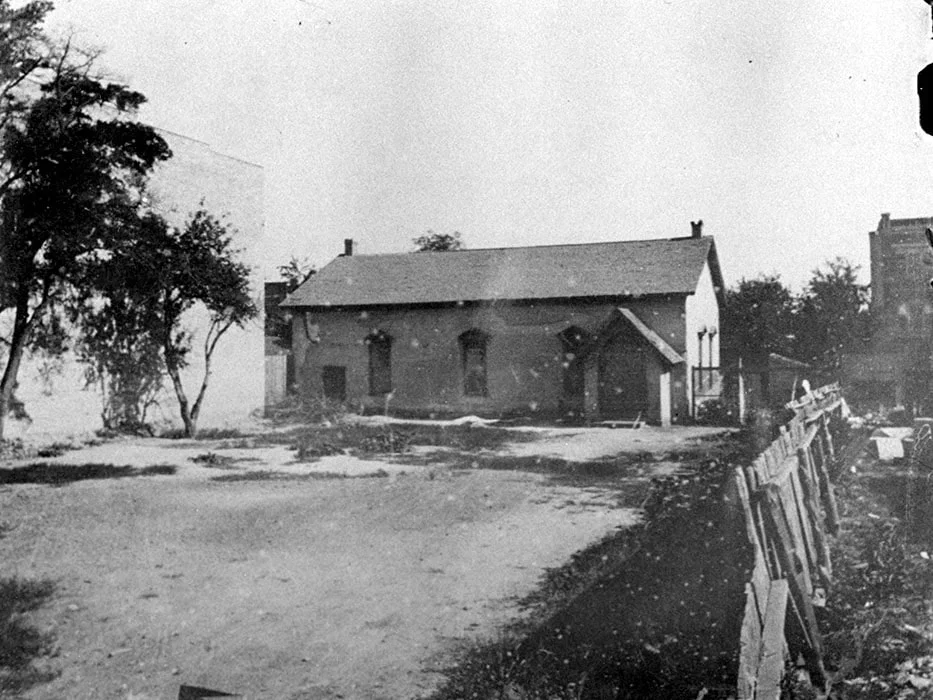
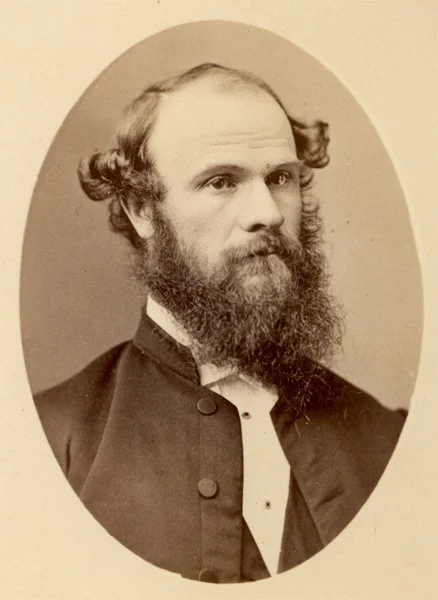
The story of the Cathedral Church of St. Mark begins in the fall of 1866, when the General Convention selected the Rev. Daniel S. Tuttle to be the first Missionary Bishop of “Montana with jurisdiction in Idaho and Utah.” Since he wasn’t yet the required age to be consecrated as a bishop, Tuttle didn’t head west until May 1867.
While he waited, Tuttle recruited energetic priests to come westward and assist in establishing the Episcopal Church in the sprawling missionary district. Several arrived in Salt Lake City ahead of him in May 1867 and proceeded to form a congregation and the city’s first private school. Bishop Tuttle arrived two months later and spent several days in Salt Lake before heading to Montana, where he believed his efforts would be more successful than in Utah, given its strong predominant religion.
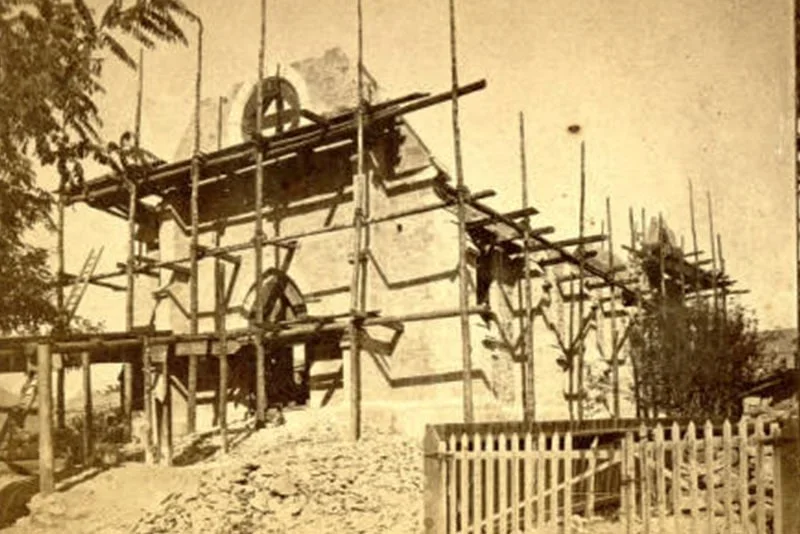
Within two years, though, he realized Salt Lake was a better location to establish the Episcopal Church and he returned with his family. The cornerstone of St. Mark’s was laid July 30, 1870, and the first service in the nave was held September 3, 1871. The original members of the congregation were a significant number of Salt Lake’s non-Mormon businessmen. Soon, with help from the congregation, Bishop Tuttle established St. Mark’s Hospital—Salt Lake’s first hospital—the St. Mark’s School for Boys, and the Rowland Hall School for Girls. The schools later combined into Rowland Hall–St. Mark’s, which still exists today, as does the hospital, though both have long since been privatized.
The St. Mark’s community has overcome a number of significant challenges in its 155-year history. These include a large explosion in Salt Lake in 1876 that killed several people and caused widespread damage, a major fire inside the cathedral in 1935 and another less serious blaze in 1952, pandemic-related closings in 1918 and 2020, and significant earthquakes in 1962 and 2020. Even as they’ve endured their own trials, St. Mark’s parishioners have always shown a strong willingness to help others in their time of need.
Among the historic examples are raising money for the victims of the 1871 Chicago fire, participating in a benefit concert for victims of the 1906 San Francisco earthquake, operating Hildegarde’s Food Pantry since the 1980s, raising money for victims of the 2004 Indian Ocean tsunami, offering meeting space for addiction recovery groups, being a host site for Family Promise, and being an overflow warming shelter for the 2nd & 2nd Coalition on frigid winter nights when local shelters aren’t open.
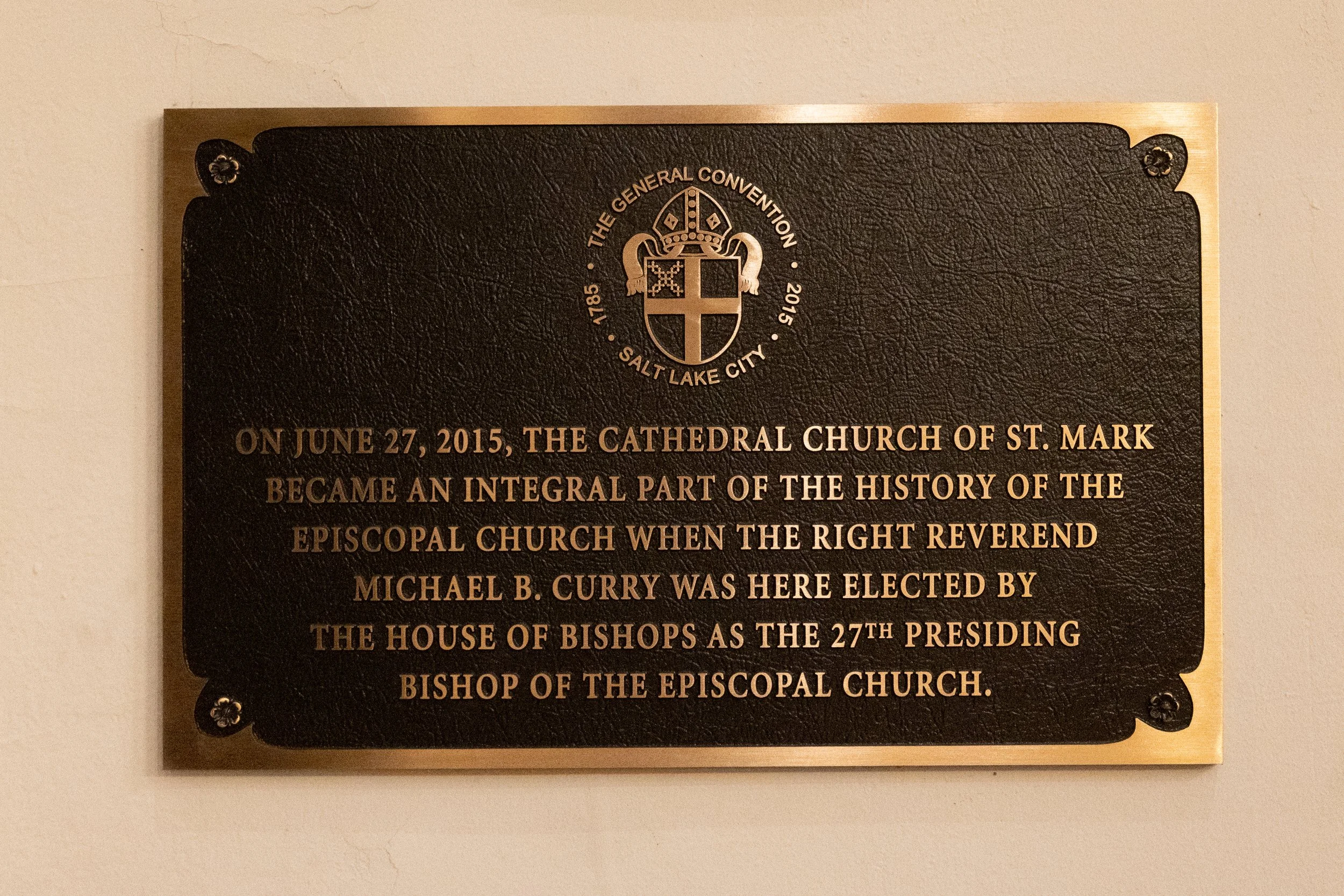
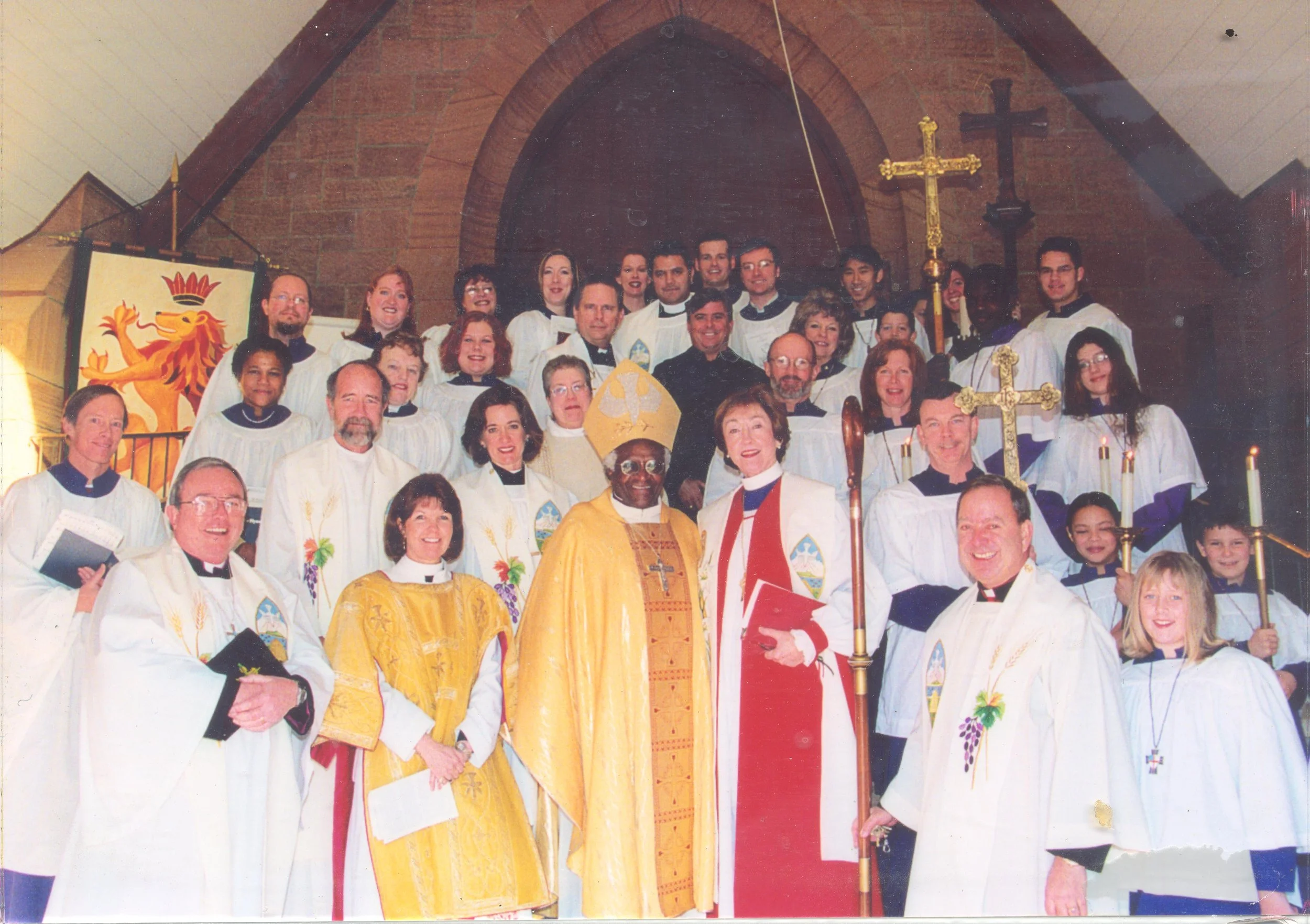
Other notable events at St. Mark’s include the 2002 visit of Archbishop Desmond Tutu, at which he delivered a powerful message on reconciliation and forgiveness, emphasizing that all of humanity is one family. He greeted the children of St. Mark’s who wore paper miters for the occasion and remarked that “We have some wonderful bishops down here!” In 2015, St. Mark’s hosted the 78th General Convention of the Episcopal Church. Here, Michael Bruce Curry was elected the first African-American presiding bishop and the canons of the Episcopal Church were amended to formally establish marriage equality.
Our Home
| Local Area — By the Numbers | |
| Population | |
| Salt Lake City | 217,783 |
| Salt Lake County | 1,216,274 |
| Salt Lake Metro | 1,300,000 |
| Within 25-mile radius of St. Mark’s Cathedral | 1,500,000 |
| State of Utah | 3,503,613 |
| Transportation | |
| Annual passengers – Salt Lake City International Airport | 28,364,610 |
| Origin or destination passengers (approx.) | 19–20,000,000 |
| Annual mass-transit rides in Salt Lake County | 40,473,200 |
Salt Lake City
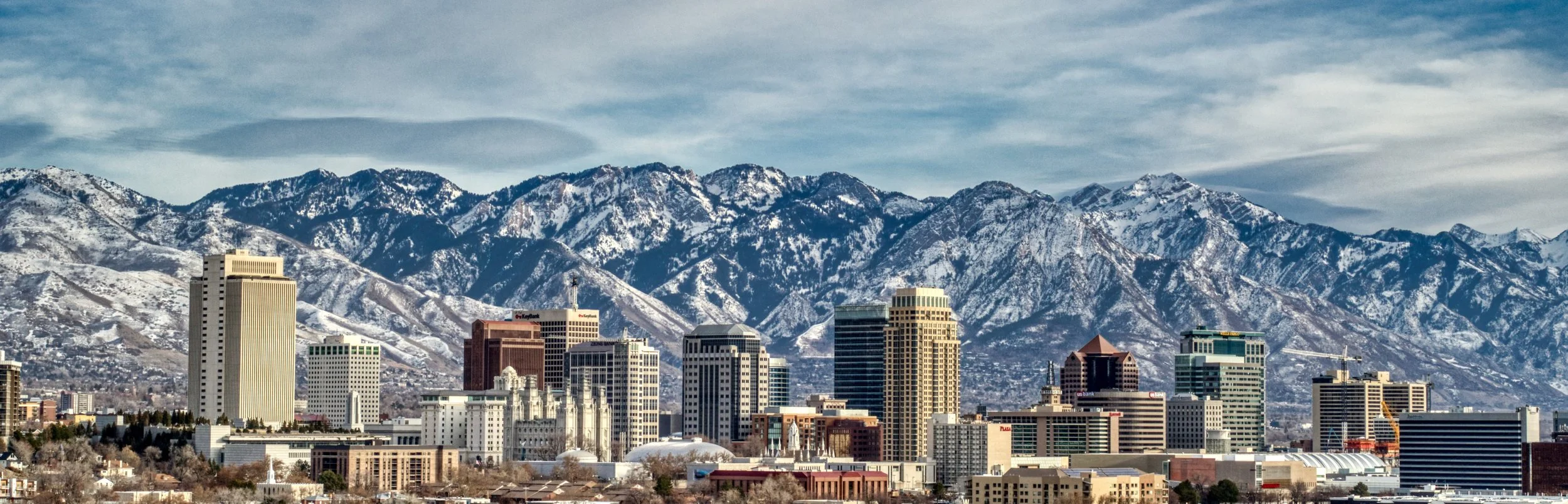
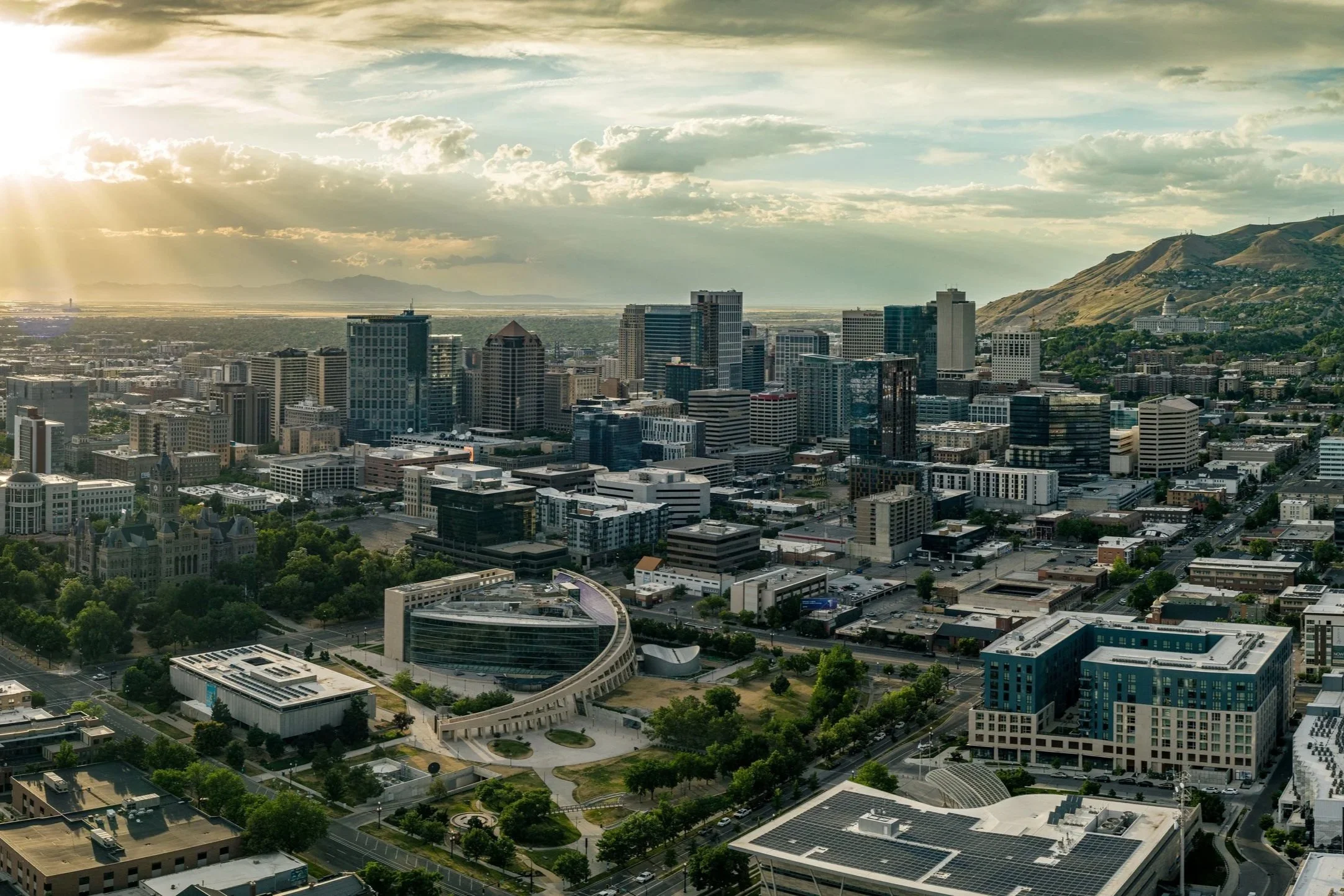
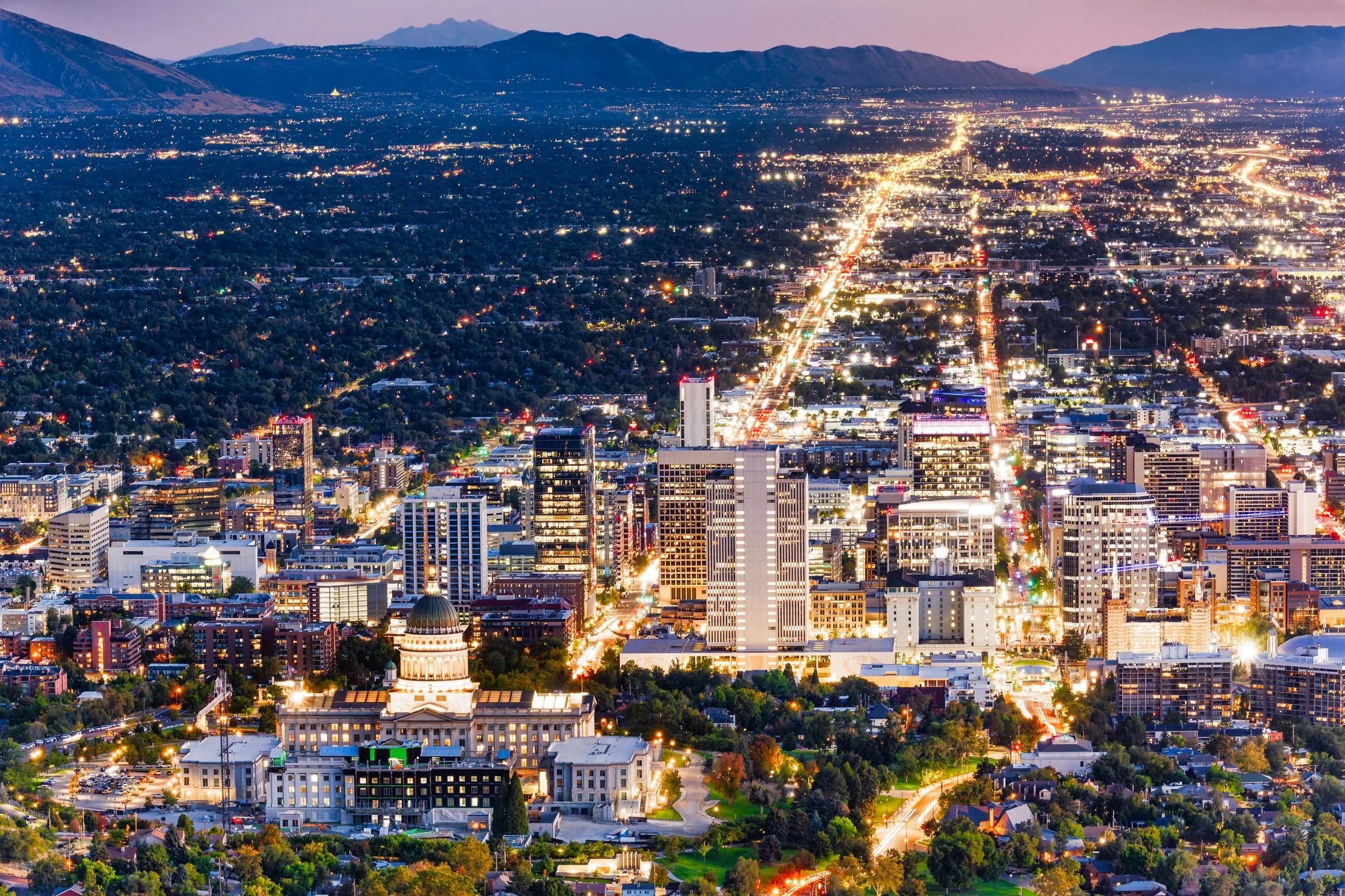
The name “Salt Lake City” can conjure any number of images and preconceptions. Some are accurate and some are severely outdated. The fact is, the place we call home is one of the fastest growing and increasingly diversifying metro areas in the country. Salt Lake City is home to approximately 218,000 people, while the city and its immediate suburbs have a population of 1.3 million. The broader Wasatch Front metro area anchored by Salt Lake has 2.9 million residents, placing us near Portland, St. Louis, San Antonio, and Pittsburgh in size.
In addition to growing racial diversity, Salt Lake is home to a significant LGBTQ+ community, even landing on Advocate magazine’s list of the Ten Queerest Cities in America. Utah also enjoys a healthy economy, with a robust tech sector known as Silicon Slopes. After successfully hosting the Winter Olympics in 2002, Salt Lake will again welcome the world to the Games in 2034.
Although strongly associated with Mormonism, only about 42% of Utahns identify as Latter-day Saints. In Salt Lake City proper, only about 28% of the population is actively Mormon. The Episcopal Church in Utah enjoys a friendly, productive relationship with The Church of Jesus Christ of Latter-day Saints. Support for Hildegarde’s Food Pantry in the form of donations from the Latter-day Saint “Bishop’s Storehouse” is just one example.
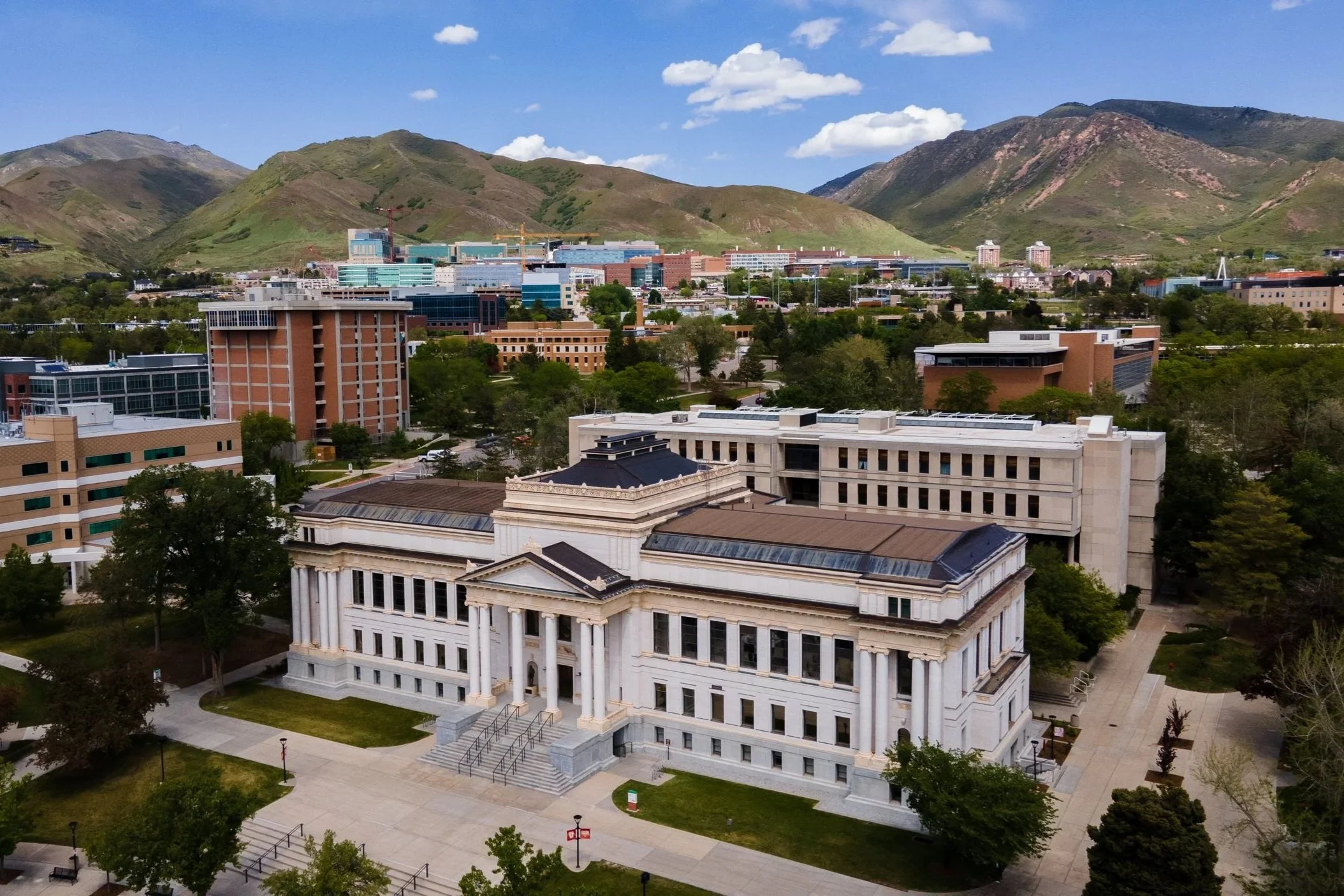
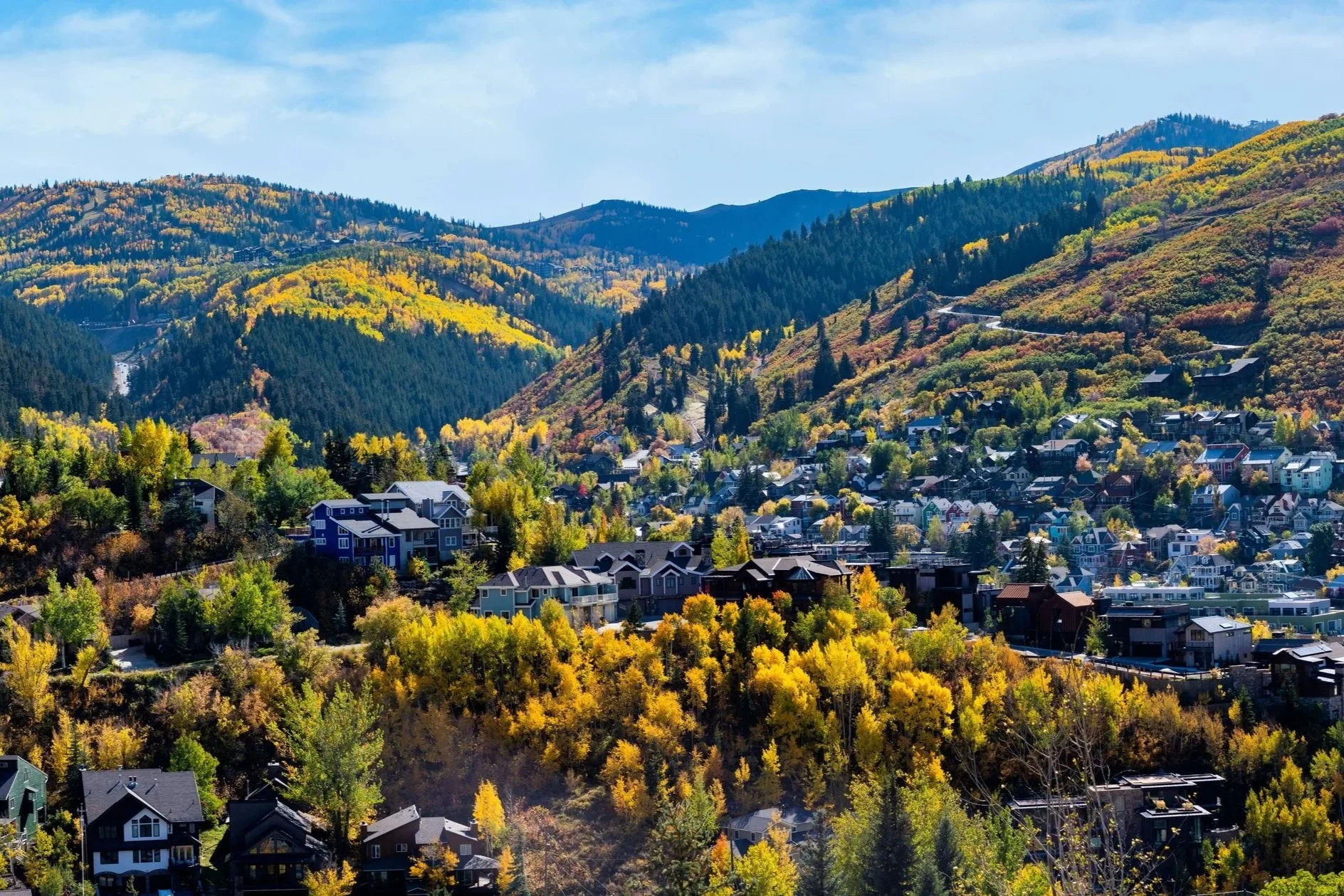
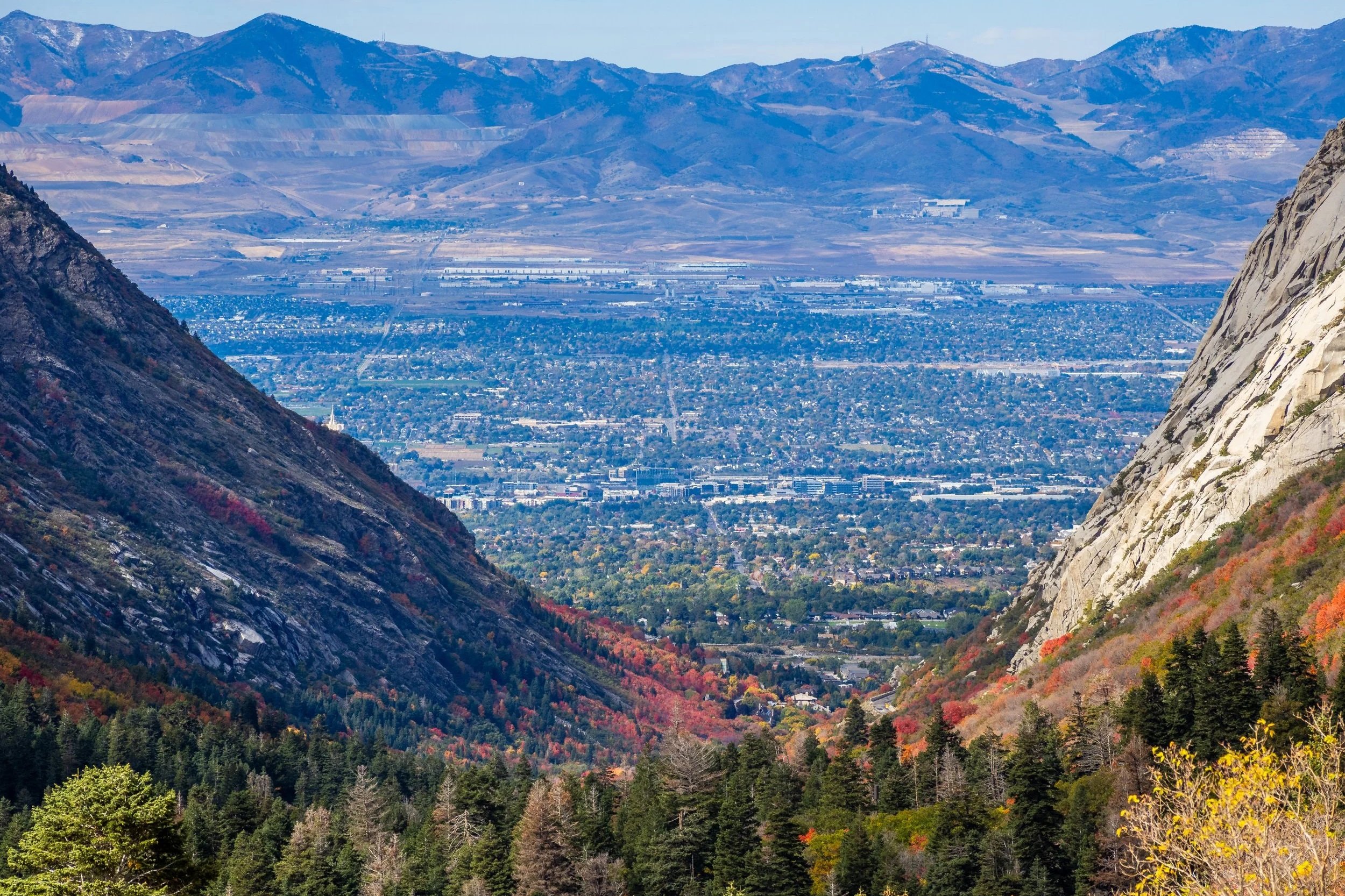
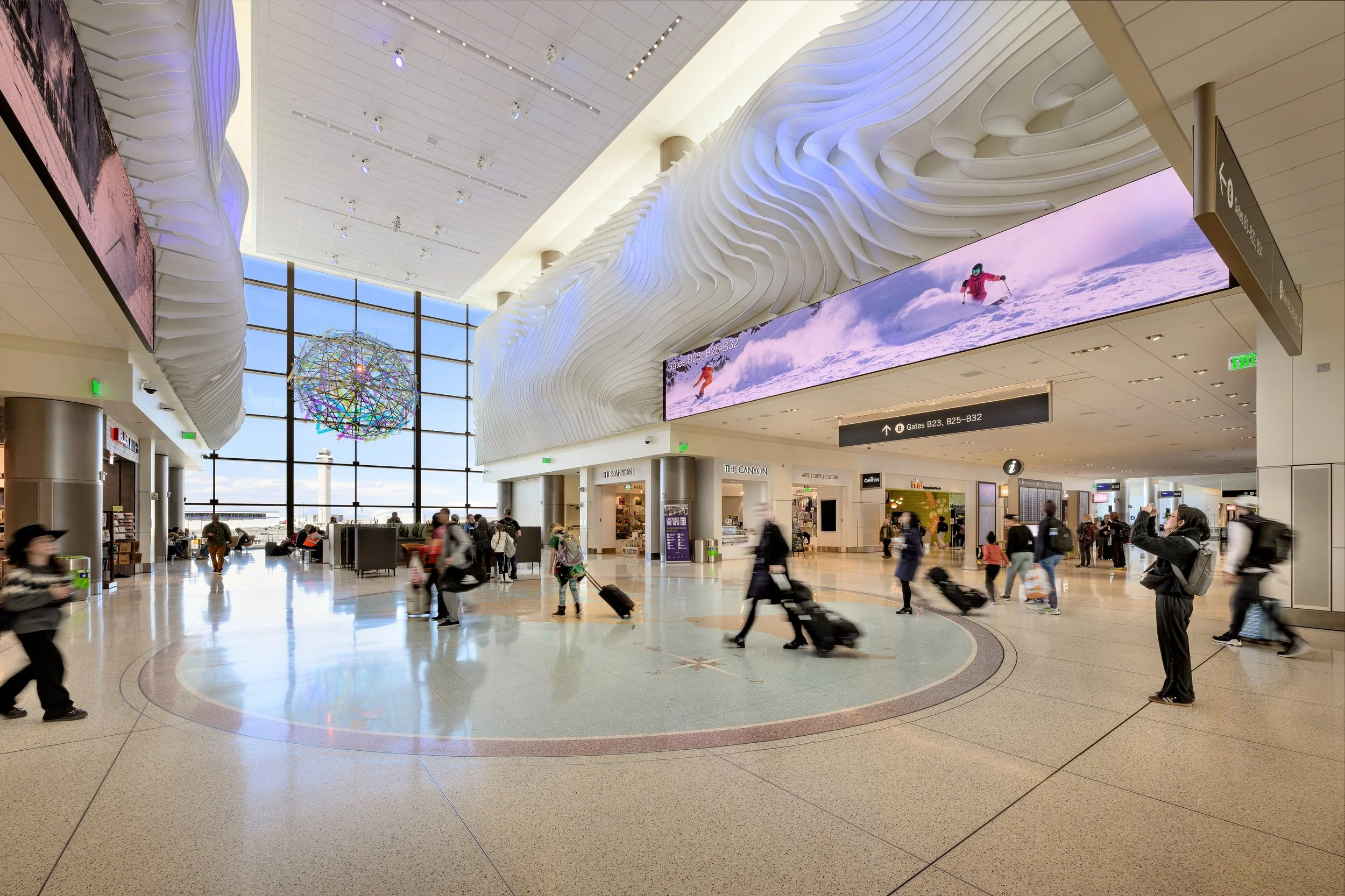
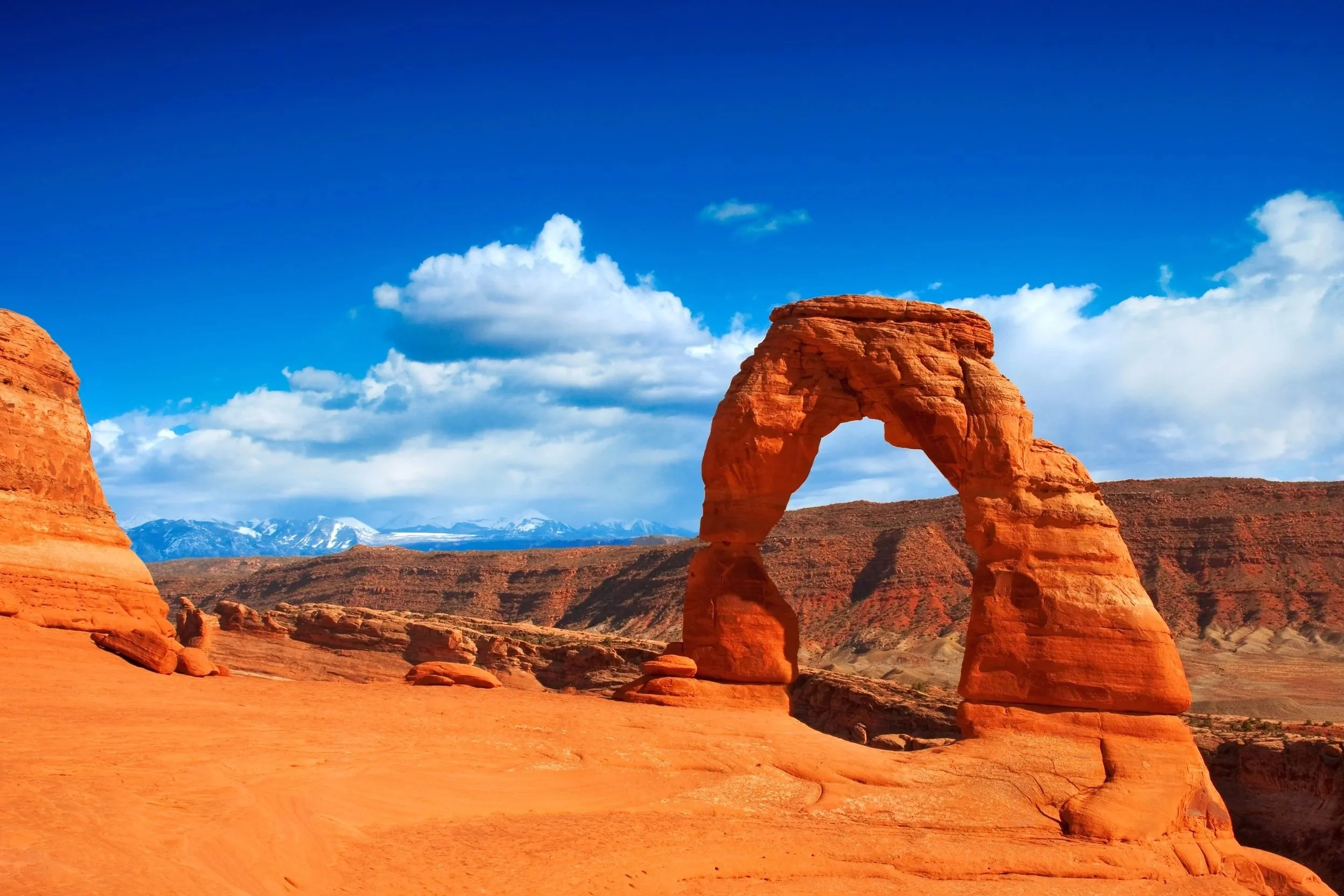
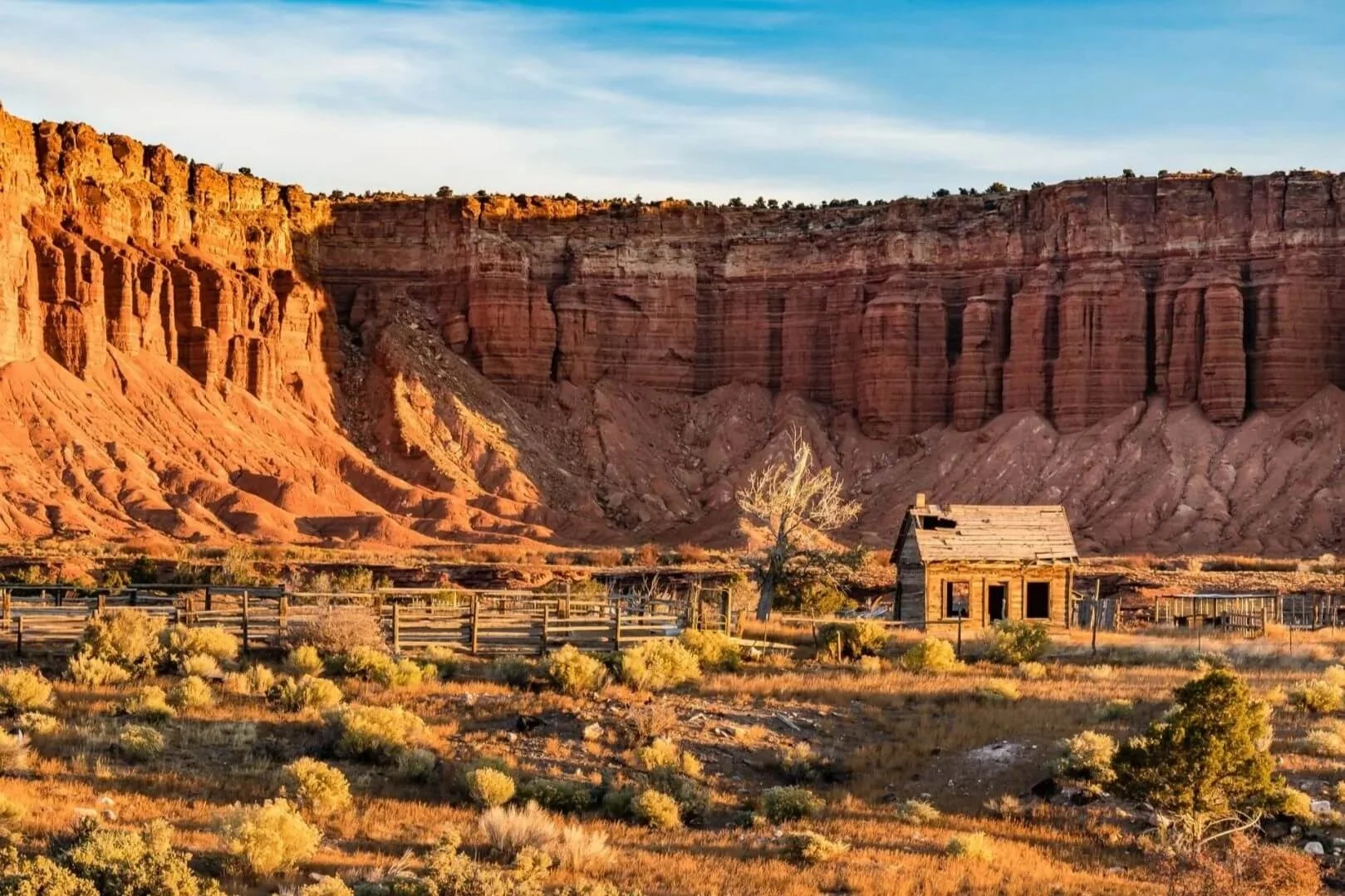
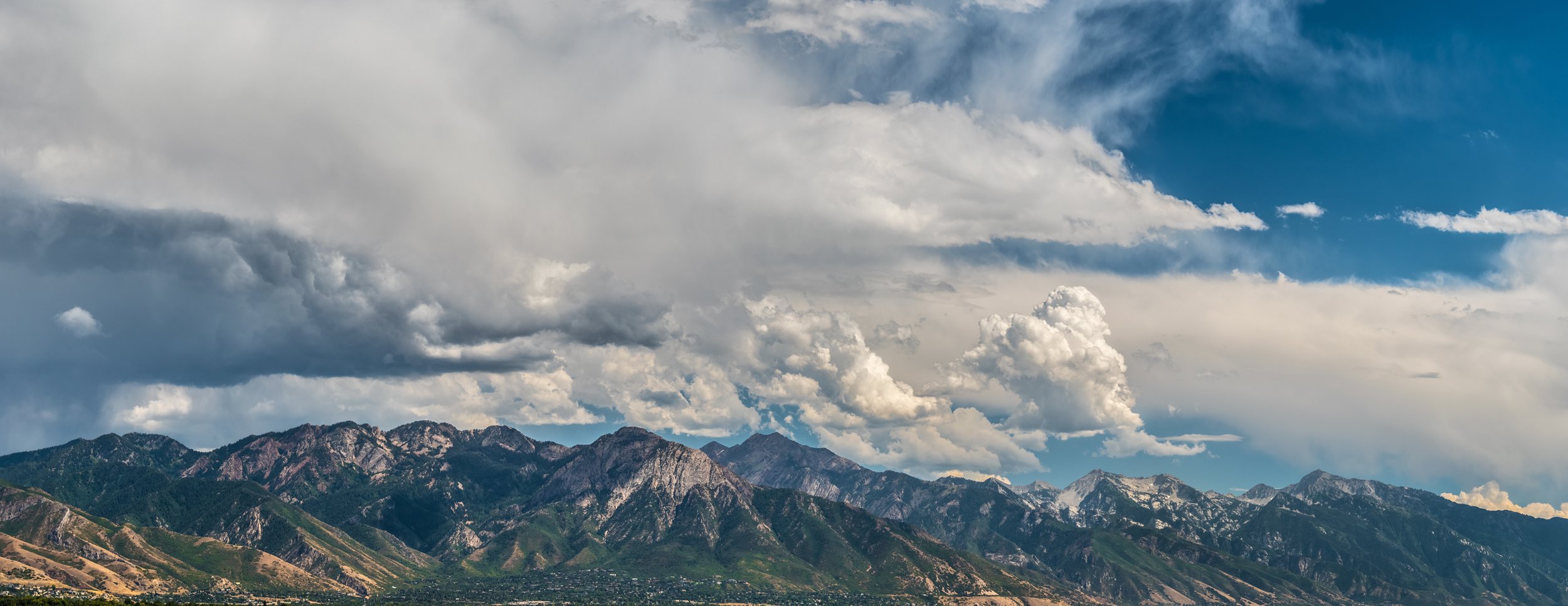
One of Salt Lake City’s unmatched assets is its geographical location. Nestled in the foothills of the breathtaking Wasatch Mountains and shores of its eponymous Great Salt Lake, residents have unparalleled access to all manner of outdoor delights: hundreds of miles of hiking and biking trails, world-class ski resorts, river rafting, rock climbing, canyoneering, camping, and more. Utah’s five national parks—Arches, Bryce Canyon, Canyonlands, Capitol Reef, and Zion—are exceeded in number by only California and Alaska, and offer stunning geographic diversity just a few hours’ drive from Salt Lake City. Our brand new international airport is a Delta hub that offers non-stop flights to London, Paris, Amsterdam, Seoul, and Lima among more than 100 direct destinations.
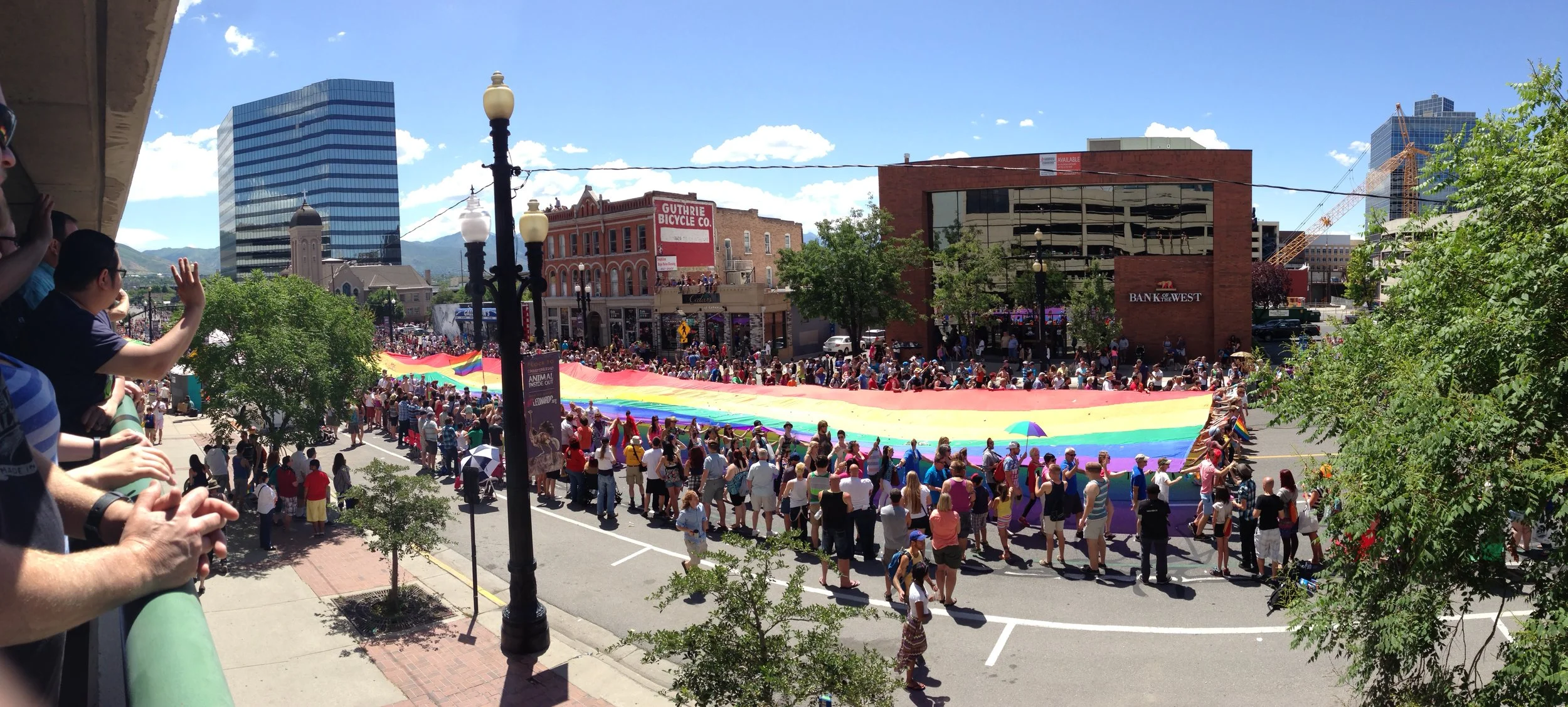
Salt Lake City’s annual Utah Pride Festival dates back to 1983
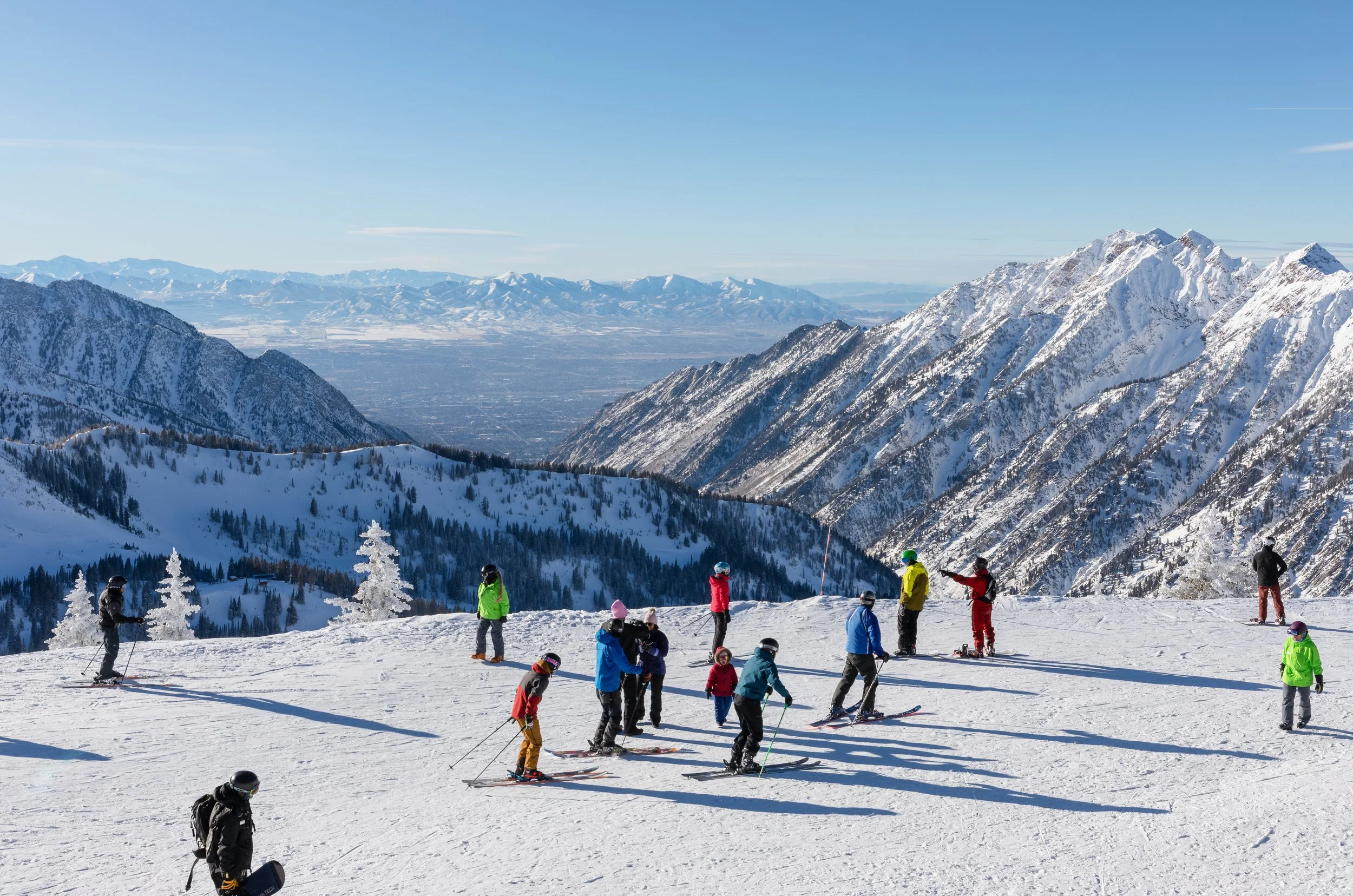
Four of Utah’s ski resorts are within 30 minutes of downtown Salt Lake City
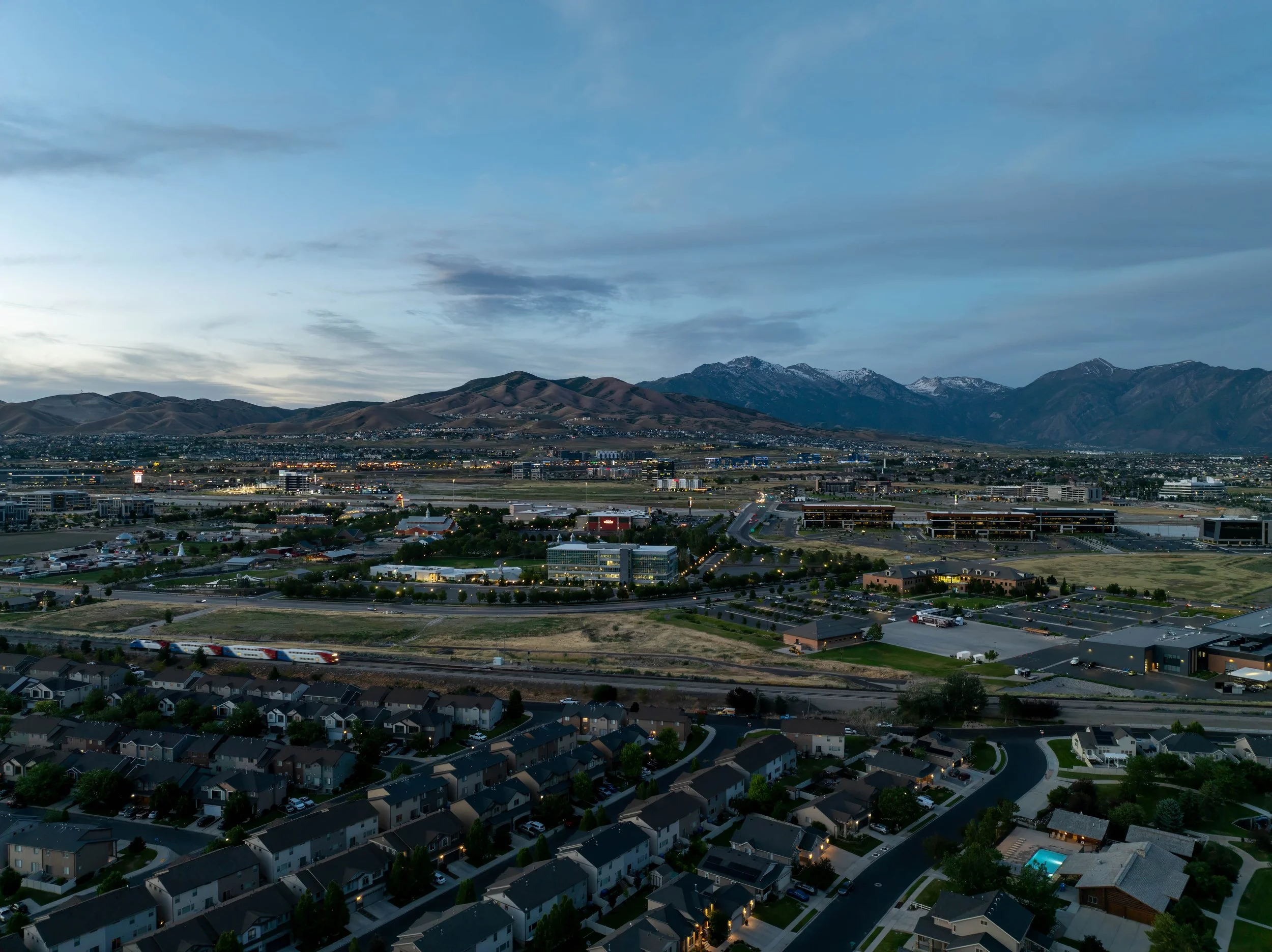
Salt Lake City’s suburbs are home to the Silicon Slopes tech sector
See More of What Salt Lake City & Utah Have to Offer
Salt Lake City & the Wasatch Front
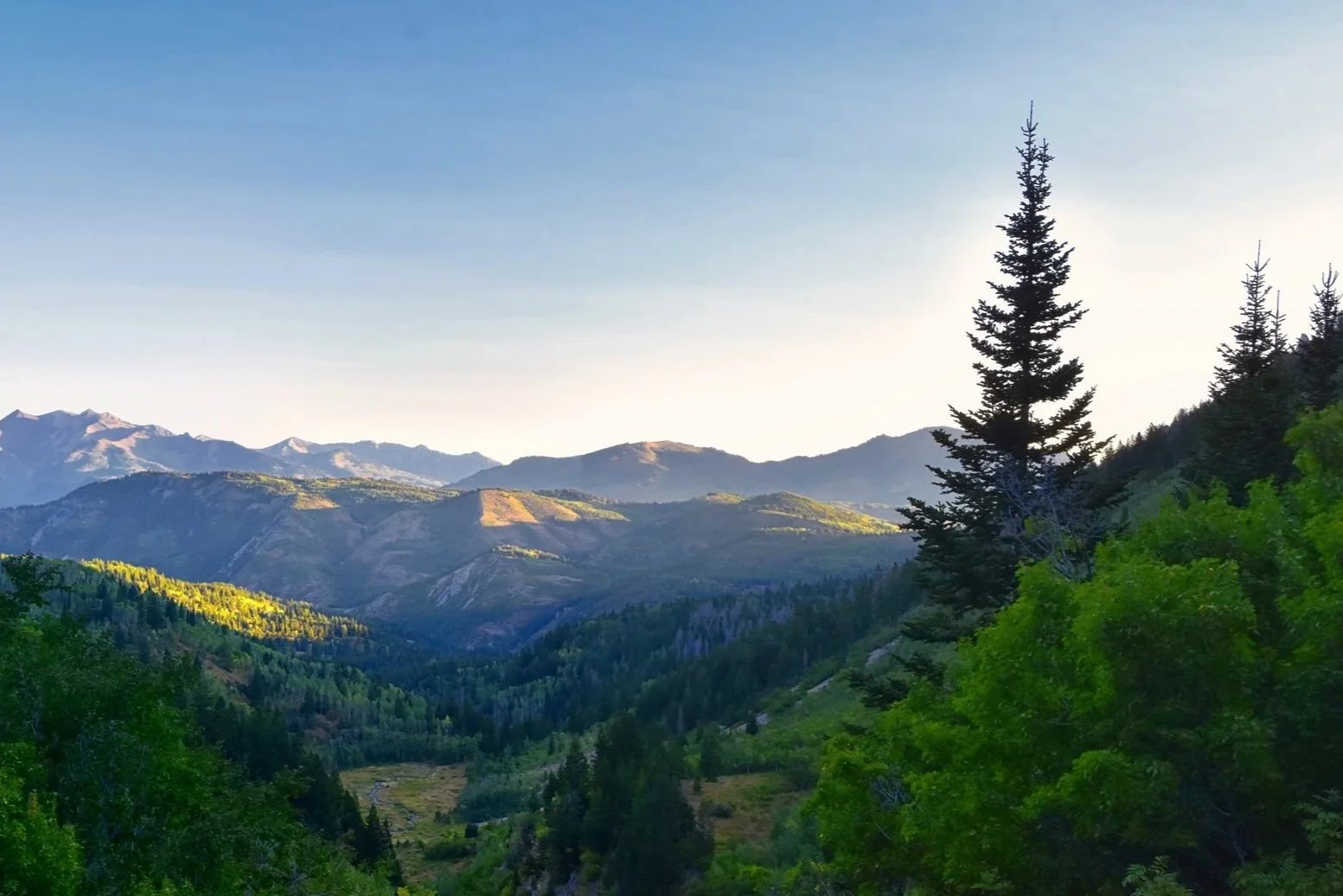


Utah’s National Parks



Our Vision & Hope
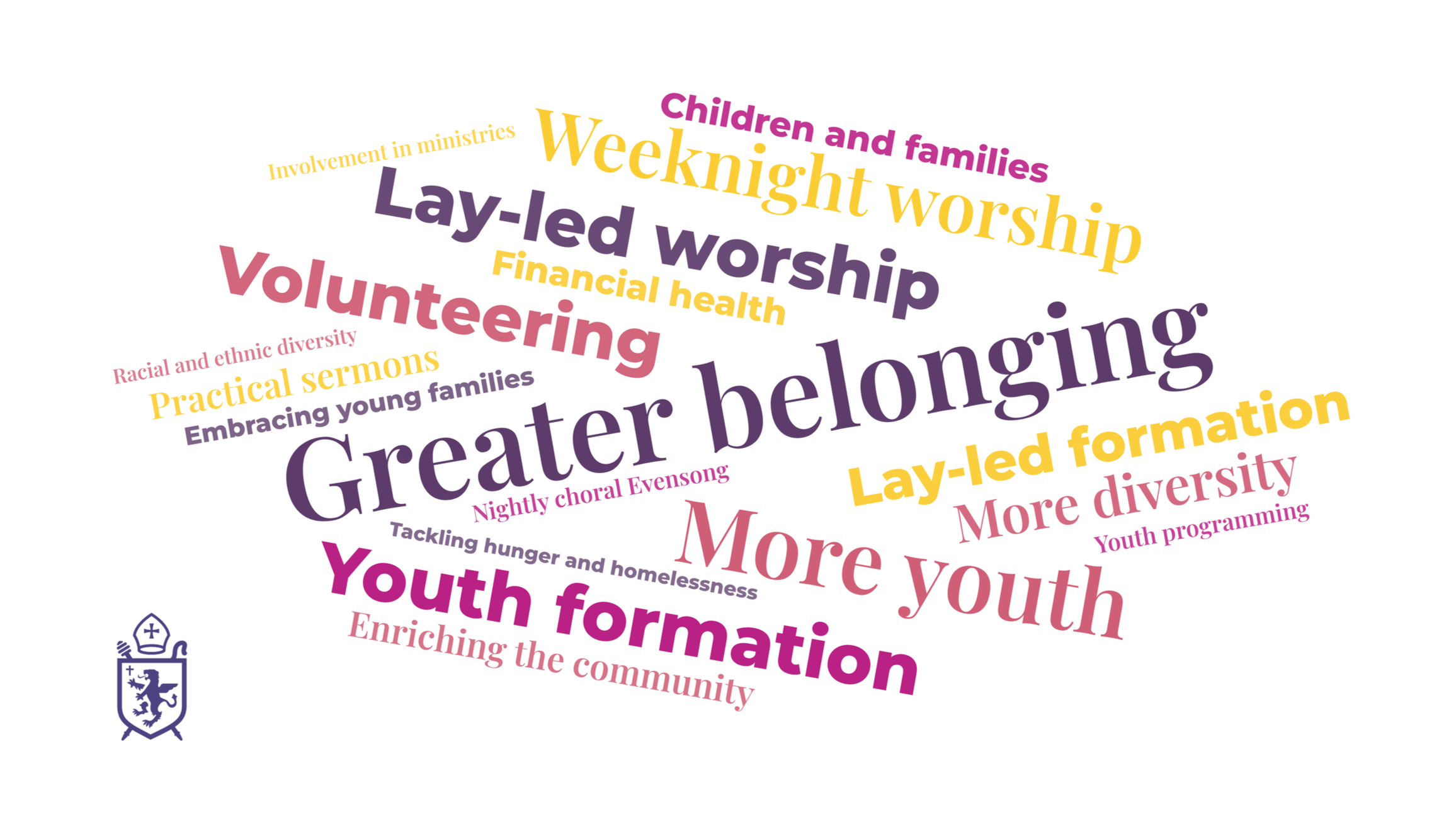
As we embark upon the next steps in building our community of disciples, walking with Jesus in the Way of Love, allow us to share some of the aspirations and desires expressed by St. Mark’s parishioners.
For Our Parish Community
For Our Next Dean & Rector
Our Invitation
We are no longer receiving applications.
Thank you for your interest and continued prayers.